





What Exactly Is El Niño?
Think of El Niño as a temporary, large-scale warming of the surface waters in the central and eastern Pacific Ocean. This isn't just a random warm patch; it's a powerful climate phenomenon that disrupts normal weather patterns across the globe, including
wind and rainfall. The US National Oceanic and Atmospheric Administration (NOAA) officially declared the onset of El Niño conditions in June 2026, predicting it could continue into early 2027. While it's a natural cycle, its effects can be far-reaching, influencing everything from storms in the Americas to droughts in Asia.
The Connection to India's Monsoon
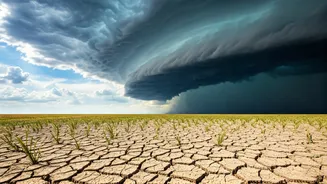
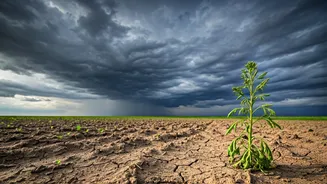
For India, the most critical impact of El Niño is its tendency to suppress the southwest monsoon, the season that delivers the majority of the country's annual rainfall. A weaker or erratic monsoon is bad news for agriculture, given that around 51% of India's sown area is rain-fed. The India Meteorological Department (IMD) has already factored El Niño into its forecasts, predicting below-normal rainfall for the 2026 season. June 2026 started with a significant rainfall deficit of nearly 40%, delaying the sowing of key summer crops and raising concerns for the farm economy.
From Less Rain to Higher Prices
The link between a weak monsoon and your grocery bill is straightforward. Less rainfall means lower crop yields for farmers. When the supply of essential commodities shrinks, but demand remains the same, prices naturally go up. This isn't just a problem for farmers; it creates a ripple effect across the entire economy. Past El Niño events have been linked to higher food inflation in India. For instance, the strong El Niño of 2023-24 was associated with an average retail food inflation of over 8.5% for a six-month period. This year, with a 'moderate' El Niño expected to intensify, there are concerns of a similar pattern emerging.
Which Groceries Will Be Most Affected?
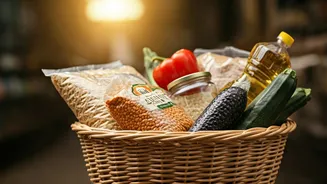
Certain commodities are more vulnerable than others. Climate-sensitive crops that rely heavily on monsoon rains are at the top of the list. Expect potential price pressure on rice, sugar, pulses, and edible oils. India is a major producer of these goods, and lower output could tighten domestic supplies. Sugar is a particular concern, with dry conditions threatening the sugarcane harvest in states like Maharashtra and Karnataka. This could not only raise domestic prices but also impact global supply, as India is a major exporter. Vegetables like tomatoes, onions, and potatoes are also highly sensitive to weather disruptions and could see sharp price spikes. Even winter crops like wheat and mustard could be affected later, as a poor monsoon impacts soil moisture levels for the next sowing season.
How Authorities Are Responding
The government is not sitting idle. Union Minister Piyush Goyal has described the situation as a global crisis being closely monitored. A special contingency plan has been activated for over 300 rainfall-vulnerable districts. Farmers are being advised to delay sowing until there is adequate rainfall and to consider alternative crops that require less water, such as millets and pulses. The government is also relying on tools like procurement at Minimum Support Price (MSP) and fertiliser subsidies to shield farmers from the worst impacts. However, experts note that further imports of commodities like edible oils and pulses may be inevitable to manage domestic prices.