




Meet the 2026 Hunter's Moon
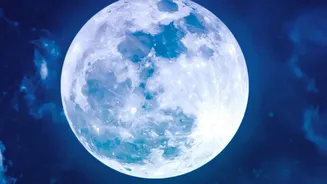
The full moon following September's Harvest Moon is traditionally called the Hunter's Moon. In 2026, it reaches its peak brightness just after midnight on the morning of Monday, October 26. However, the best time to watch it rise is on the evening of Sunday,
October 25, when it will appear on the eastern horizon around sunset. Its name comes from a time when the bright moonlight was essential for hunters preparing for winter. After farmers had cleared their fields, the bright moon and bare landscape made it easier to spot game fattening up for the cold months ahead. This tradition, rooted in Native American and European folklore, highlights a time of year focused on gathering and preparing for winter.
The Science of the Shallow Trajectory
The key to this extended evening light lies in the moon's orbital path, also known as the ecliptic. During autumn months in the Northern Hemisphere, the ecliptic makes a much shallower, or narrower, angle with the eastern horizon at sunset. On most nights of the year, the moon rises about 50 minutes later each day. But around the time of the autumn equinox, this shallow angle means the delay between successive moonrises is much shorter—often only about 30 minutes. This phenomenon isn't exclusive to the Hunter's Moon; it's also responsible for the similar effect seen with the Harvest Moon a month prior. The result is that for several evenings in a row, a large, bright moon rises very soon after the sun goes down.
More Than Just a Single Night of Light
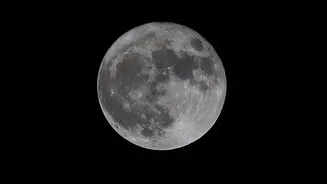
While the moon is technically only 'full' for a moment, its appearance in the sky is a multi-day event. Because the moonrise time doesn't change much from night to night around the full Hunter's Moon, we get several consecutive evenings with bright moonlight starting early. A full-looking moon will rise in the east close to sunset for several days before and after the peak on October 26. This sustained period of illumination is what makes the Hunter's Moon so noteworthy. It's not that the moon itself is physically brighter or bigger than other full moons, but that its convenient timing and orbital path create a prolonged natural light show.
How to Best Experience the Hunter's Moon
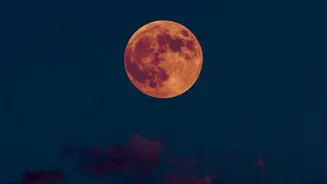
You don't need any special equipment to enjoy this celestial event. The best plan is to find a location with a clear, unobstructed view of the eastern horizon on the evening of Sunday, October 25, or Monday, October 26. Head out around sunset and watch for the moon to appear. When it's low on the horizon, it can take on a beautiful golden or orange hue. This happens because its light travels through more of Earth's atmosphere, which scatters the blue light and allows more red light to reach your eyes. You might also experience the 'Moon Illusion', a trick our brains play that makes the moon seem enormous when it's near the horizon with objects like trees or buildings for reference.