

Our Guardian in the Cosmos
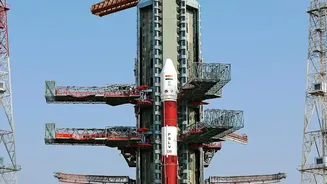
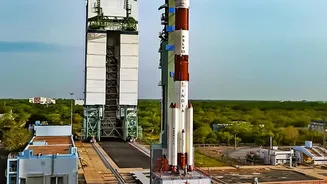
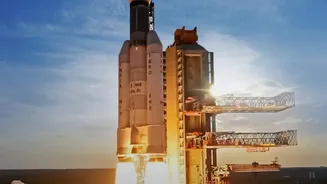
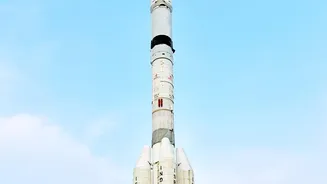
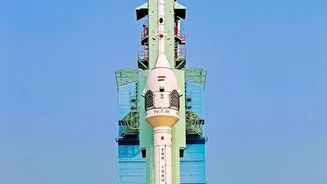
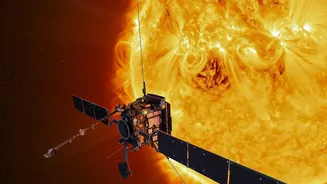
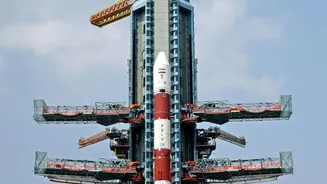
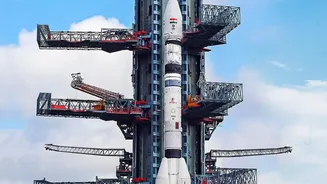
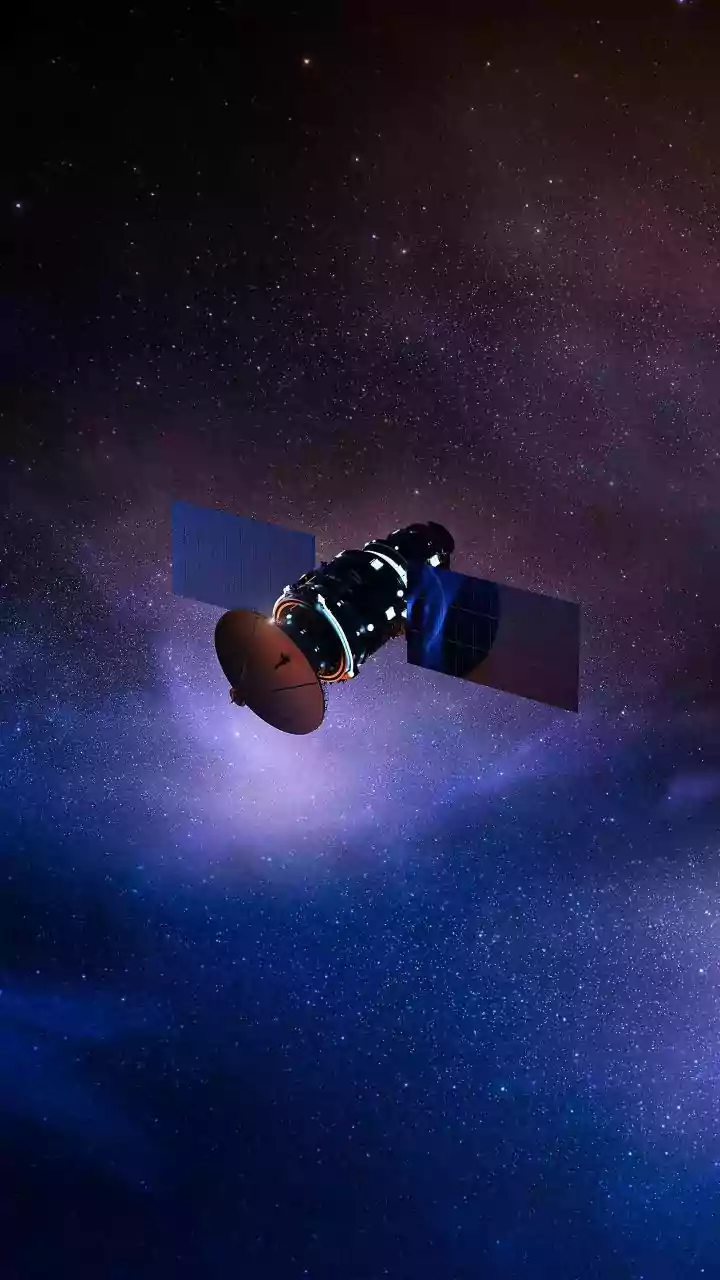
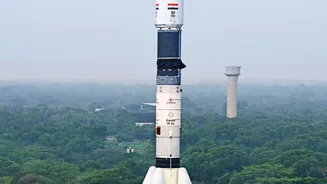
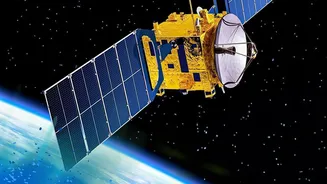
Launched by the Indian Space Research Organisation (ISRO), Aditya-L1 is the nation's first space-based observatory dedicated to studying the Sun. It is strategically positioned in a halo orbit around the Sun-Earth Lagrange Point 1 (L1), about 1.5 million
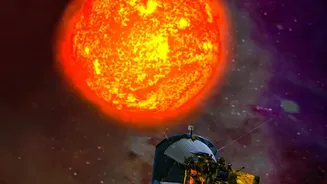
kilometres from Earth. This unique vantage point allows it to observe the Sun continuously, without the interruption of eclipses or Earth's day-night cycle. The mission's primary goals include understanding the dynamics of the Sun's upper atmosphere, the mechanisms of solar eruptions like Coronal Mass Ejections (CMEs), and the behaviour of the solar wind. Armed with a suite of seven sophisticated instruments, Aditya-L1 is providing a constant stream of data, helping scientists decode the Sun's behaviour and its profound influence on our solar system.
The Eyes and Ears at L1
To study the solar wind, Aditya-L1 relies on its in-situ instruments, which directly measure the environment around the spacecraft. Two key payloads for this task are the Aditya Solar wind Particle EXperiment (ASPEX) and the Plasma Analyser Package for Aditya (PAPA). PAPA is designed to measure the properties of solar wind electrons and low-energy ions. It consists of two sensors: the Solar Wind Electron Energy Probe (SWEEP) and the Solar Wind Ion Composition Analyser (SWICAR). Together, they analyse the energy, mass, and direction of incoming particles. ASPEX complements this by studying protons and heavier ions over a wide energy range, helping to distinguish between particles from the steady solar wind and those from more violent events like CMEs. These instruments work in tandem to create a detailed picture of the particle streams flowing from the Sun.
Catching Solar Storms in the Act
Recent data from Aditya-L1's sensors has proven their effectiveness in monitoring space weather. The PAPA payload, for instance, has successfully detected the impact of CMEs. During these events, the instrument recorded a sudden and significant increase in the counts of electrons and ions, which are the tell-tale signs of a solar storm passing by. These observations have matched data from other international spacecraft, confirming that Aditya-L1's instruments are performing exactly as designed. By analysing the composition of the solar wind, such as the ratio of protons to alpha particles (helium nuclei), scientists can gather more clues about the origin of these solar events and the processes that accelerate them toward Earth.
An Early Warning System for Earth
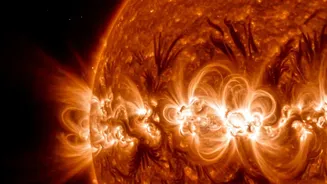
Beyond observing the solar wind itself, Aditya-L1's instruments have recently contributed to a major breakthrough in predicting solar flares—the most powerful explosions in the solar system. Scientists found that small, short-lived brightenings in the Sun's atmosphere tend to occur in the hours leading up to a major flare, clustered around the eventual eruption site. This finding, which combined data from Aditya-L1's ultraviolet and X-ray telescopes, suggests that these minor events might destabilise the Sun's magnetic fields, eventually triggering a large-scale explosion. This provides a potential early warning sign, crucial for forecasting dangerous space weather. Understanding these precursor events is a vital step toward protecting our technological infrastructure from the disruptive power of the Sun.
Why Solar Weather Matters to Us
The study of solar wind and weather is not just an academic exercise; it has real-world consequences. The stream of charged particles from the Sun can interact with Earth's magnetic field, causing geomagnetic storms. While these storms are responsible for the beautiful auroras, they can also pose a significant threat to our modern, technology-dependent society. Intense solar events can damage satellites, disrupt GPS navigation and radio communications, and even cause widespread power outages by overwhelming electrical grids. By providing better data and earlier warnings, ISRO's Aditya-L1 mission plays a critical role in a global effort to monitor and predict space weather, helping to safeguard our vital infrastructure and astronauts in space.