

Beyond the 'One Giant Leap'
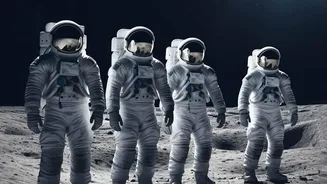
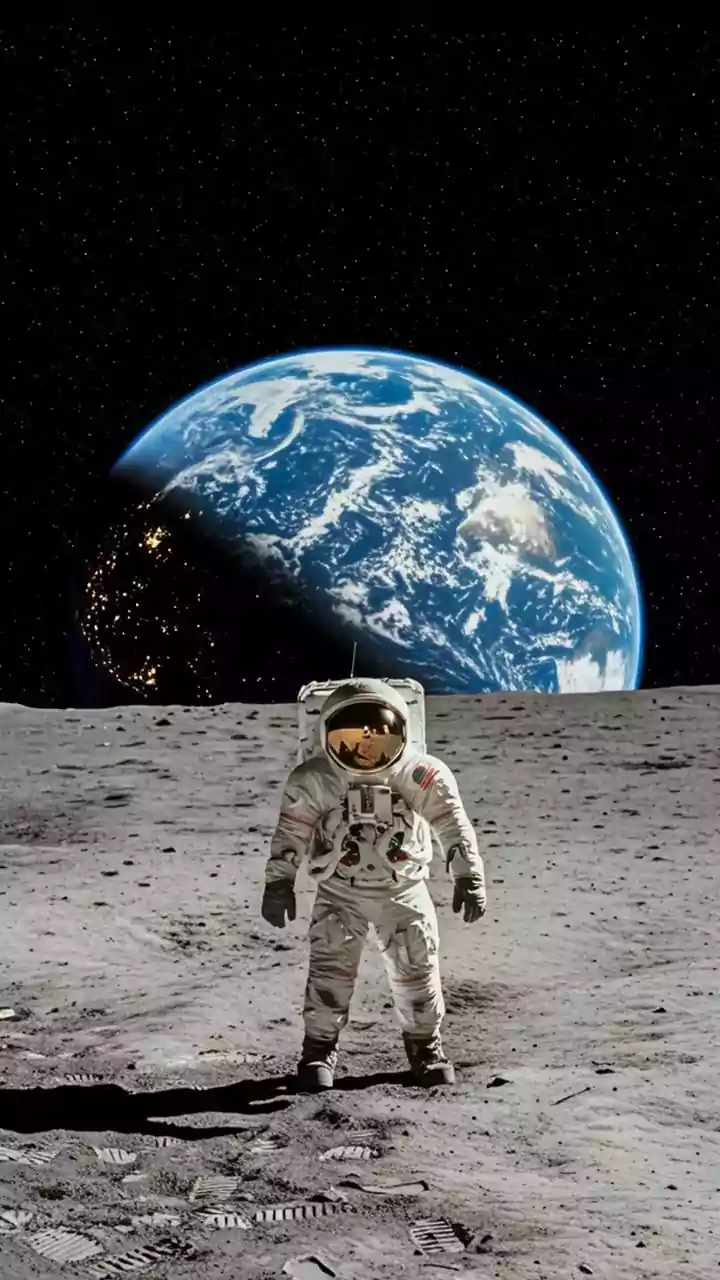
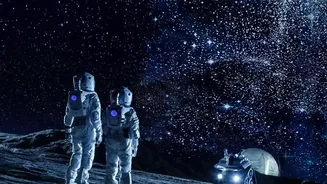
The Apollo missions proved humans could reach the Moon. The next chapter, spearheaded by programs like NASA's Artemis, aims to prove we can stay. But a sustainable presence, envisioned as the Artemis Base Camp near the lunar south pole, is not a single
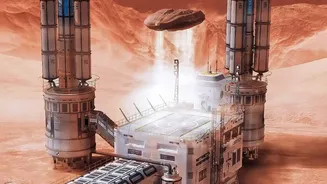
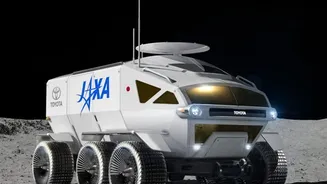
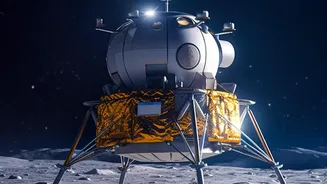
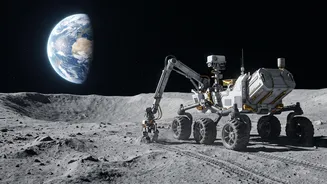
destination, but a complex, evolving ecosystem. It requires moving from short-term visits to long-term habitation. This leap involves a series of interconnected missions, each one building upon the last, to deliver and assemble the core components of a functional outpost: a foundational habitat, a lunar terrain vehicle for transport, and a mobile platform for longer expeditions. Simply put, the first mission back is just the beginning of a very long road.
The Infrastructure Challenge
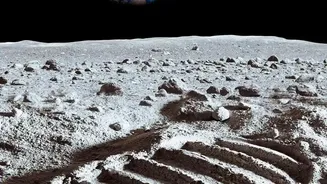
You can't just ship a pre-fabricated city to the Moon. The cost of launching materials from Earth is astronomical, estimated at around a million dollars per kilogram. Therefore, building a base means creating infrastructure from scratch in a hostile environment. This begins with power. The most promising sites are on the rims of polar craters, which receive near-constant sunlight ideal for solar arrays, but even these require robust energy storage or nuclear power systems to survive the two-week lunar nights. Then there's the issue of construction. The surface is subjected to extreme temperature swings, unfiltered radiation, and a constant threat of micrometeorites. To counter this, agencies and startups are developing technologies like robotic 3D printing and laser sintering to turn lunar regolith—the sharp, abrasive moon dust—into landing pads, protective berms, and even structural components for habitats.
Living Off the Lunar Land
True sustainability hinges on a concept called In-Situ Resource Utilization, or ISRU. The goal is to 'live off the land' by harvesting local materials. The most critical of these is water ice, believed to be abundant in the permanently shadowed craters of the lunar poles. By heating the icy soil, rovers can extract water vapor. This water is not just for drinking; it can be split into hydrogen and oxygen. This provides breathable air for habitats and, crucially, the two primary components of rocket propellant. Mastering ISRU is a game-changer. It dramatically reduces reliance on expensive Earth-based resupply missions and transforms the Moon from a barren rock into a vital refueling station for deeper space exploration, including future missions to Mars.
A Supply Chain Like No Other
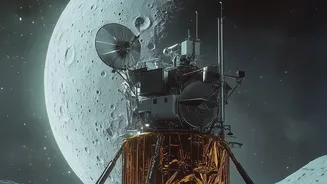
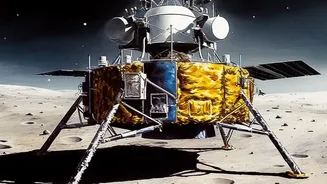
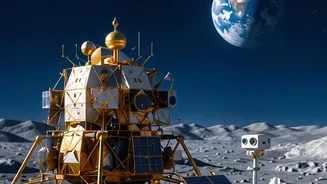
Even with ISRU, a Moon base will rely on a complex logistics network for decades. Think of it like the most remote research station on Earth, but with a supply line that's a thousand times longer and infinitely more difficult. While the International Space Station receives several cargo missions a year, a lunar base will need a steady cadence of deliveries carrying food, scientific instruments, spare parts, and new crew members. This requires a fleet of commercial landers and an orbital staging post, like the planned Lunar Gateway, to manage the flow of goods and people. Companies are already being contracted through initiatives like NASA's Commercial Lunar Payload Services (CLPS) to build this interplanetary delivery system, creating a new commercial ecosystem dedicated to sustaining a human presence 239,000 miles from home.
The Human and Commercial Element
Finally, the enormous technical and financial scope of this endeavor means it cannot be the work of a single nation. The Artemis Program, for instance, is a global collaboration involving dozens of countries and a growing roster of private companies. Commercial partners are not just providing launch services; they are developing landing systems, robotic arms, and habitats, driving innovation while reducing costs for government agencies. This public-private model is essential for the long-term viability of a lunar economy. Establishing a base is less a government project and more the creation of a new industrial frontier, one that requires a sustained, multi-faceted, and international sequence of missions, each contributing a vital piece to humanity's first home away from home.