



The Power of a Global Nod
Platforms like TasteAtlas, which compile rankings based on thousands of user ratings, have become surprisingly influential. When a dish like Amritsari Kulcha or a city like Mumbai appears on a global 'best' list, it does more than just flatter; it validates.
For decades, much of India's diverse culinary identity was flattened into a few well-known dishes for international consumption. These rankings, however, are starting to dismantle that stereotype. They signal to a global audience—and just as importantly, to a domestic one—that the true magic of Indian food lies in its regional specificity. This recognition acts as a powerful catalyst, encouraging a deeper, more nuanced appreciation that goes beyond generic 'curry'.
From Local Gem to Global Star
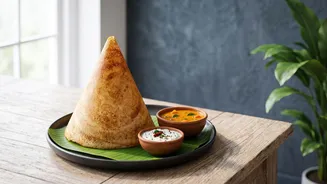
Recent rankings are filled with examples. In late 2025, TasteAtlas ranked Amritsari Kulcha as the 17th best dish in the world, putting a beloved Punjabi staple on the global map. Similarly, Mumbai was celebrated as one of the world's best food cities, not just for its fine dining but for its vibrant street food. This isn't limited to one platform or a single year. Various lists have spotlighted everything from Murgh Makhani and Hyderabadi Biryani to South Indian staples like Masala Dosa, which secured the 6th spot in a global 'pancake' ranking in 2026. Even specific categories see regional heroes shine; a 2026 list of top chicken dishes featured six Indian entries from Delhi, Punjab, and Chennai, including Chicken 65 and Tandoori Murgh. This consistent international praise for specific, regional dishes is a relatively new phenomenon.
The Ripple Effect at Home
This global recognition is creating tangible change back in India. Chefs and restaurateurs, buoyed by a newfound confidence, are digging deeper into the nation's culinary archives. Menus are moving beyond the standard North Indian fare to proudly feature hyperlocal specialities that were once confined to family kitchens or specific communities. There's a growing movement to revive 'lost' or forgotten recipes, from the Kashmir Valley's Koshur Haakh to Odisha's Kalinga Kheer. This isn't just happening in fine dining establishments. The pride is palpable across the food industry, leading to food festivals centred on regional themes, and a surge in social media content celebrating the diversity of Indian food. Diners, in turn, are becoming more adventurous, driven by a curiosity to taste the dishes the world is suddenly talking about.
A New Culinary Confidence
For a long time, there was an unspoken pressure to adapt Indian flavours for a global palate—to make them less spicy, less complex, or more familiar. The current trend signifies a powerful shift. Indian food is no longer explaining or apologising for itself; the world is finally meeting it on its own terms. This has instilled a renewed sense of pride and encouraged chefs and home cooks to champion authenticity. The conversation is shifting from 'what sells internationally' to 'what truly represents us'. This change is also paving the way for more formal recognition systems, with reports in late 2026 suggesting that the prestigious Michelin Guide is in the final stages of a deal to launch in India, a move that could further boost culinary tourism and regional exploration.