






The Peril of a New Home
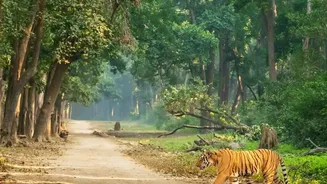
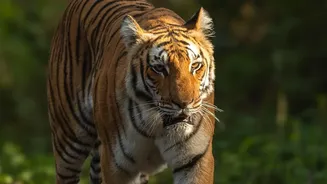
Tiger translocation is a critical conservation strategy in India, used to repopulate reserves where the big cats have vanished or to improve genetic diversity. Projects in Sariska and Panna have seen remarkable success, bringing tigers back from local
extinction. However, the journey is perilous. A relocated tiger faces immense stress, potential conflicts with resident tigers over territory, and an unfamiliar landscape where it must learn to hunt and survive. This initial period is when the animal is most susceptible to poaching or wandering into human-dominated areas, a key challenge for conservation teams on the ground.
An Eye in the Sky
Enter the drone. Unmanned Aerial Vehicles (UAVs) have emerged as a game-changer in wildlife protection. In reserves across India, from Panna to Corbett and Sariska, conservation teams are using drones to extend their reach far beyond what traditional foot patrols can cover. These are not hobbyist drones; many are specialised units equipped with high-resolution cameras, GPS, and, crucially, thermal imaging sensors. This technology allows teams to monitor vast, inaccessible terrains day and night, providing a real-time overview of the forest that was previously impossible to achieve.
More Than Just Watching
Drone surveillance is about much more than just spotting a tiger. For reintroduction projects, its functions are multifaceted. The primary task is to keep a close, non-invasive watch on the newly released animal, tracking its movements as it explores its new territory. This data is vital for scientists to understand how the tiger is adapting. Simultaneously, the drones are a powerful anti-poaching tool. Thermal cameras can detect the heat signatures of intruders at night, when most illegal activity occurs, allowing ranger teams to intercept threats before they can reach the tiger. This aerial vigilance acts as both a deterrent and an active shield for the vulnerable cat.
Managing Conflict and Mapping Habitats
Beyond protecting the tiger from poachers, drones play a key role in mitigating human-wildlife conflict. If a relocated tiger strays towards a village, the drone squad can provide an early warning to both forest officials and the local community, helping to guide the animal back to safety and prevent potentially dangerous encounters. Drones are also used for habitat mapping, creating detailed 3D models of the terrain, monitoring water sources, and even helping to plan for the potential relocation of villages from core tiger habitats, ensuring the big cat has the inviolate space it needs to thrive.
A Tool, Not a Silver Bullet
While incredibly effective, technology alone does not save tigers. Experts are quick to point out that drones are a tool to augment, not replace, the tireless efforts of forest guards, scientists, and local communities. It is the skilled drone pilots, the data analysts who interpret the footage, and the frontline staff who respond to alerts that make the system work. In reserves like Panna, dedicated 'Drone Squads' have become an integral part of the conservation team, blending technological prowess with deep field knowledge to create a comprehensive protection network. This synergy between human expertise and aerial technology is at the heart of modern conservation success.