


The Rise of the Creative Machine
The year 2026 is a tipping point for artificial intelligence in creative fields. What was once science fiction is now a daily reality. AI tools are generating music, art, and even video storyboards with staggering speed and sophistication. Platforms from
major tech players like Adobe have evolved into creative AI studios, capable of orchestrating complex workflows based on simple text prompts. This isn't just about automating mundane tasks; it's about active participation in the creative process itself. AI can analyze vast datasets of existing work to learn artistic styles, identify patterns, and generate entirely new content. For many professionals, this represents a powerful new collaborator, a way to accelerate workflows, brainstorm ideas, and overcome creative blocks.
The Ghost in the Algorithm
Despite its impressive abilities, AI's 'creativity' has fundamental limits. Current generative AI reimagines and remixes from the massive datasets it was trained on; it does not create from a place of understanding or lived experience. It can’t replicate a specific product with perfect accuracy because it doesn't truly comprehend the object, it just generates a probabilistic version of it based on pixels. AI lacks consciousness, emotional depth, and subjective experiences—the very things that fuel human art. It can mimic styles but struggles with originality, often producing work that feels derivative or lacks a unique voice. This is because AI doesn't have a perspective, a childhood, or a stake in the world. Its creations, while technically impressive, often lack the emotional resonance and contextual nuances that make art meaningful to humans.
Where Humanity Still Wins
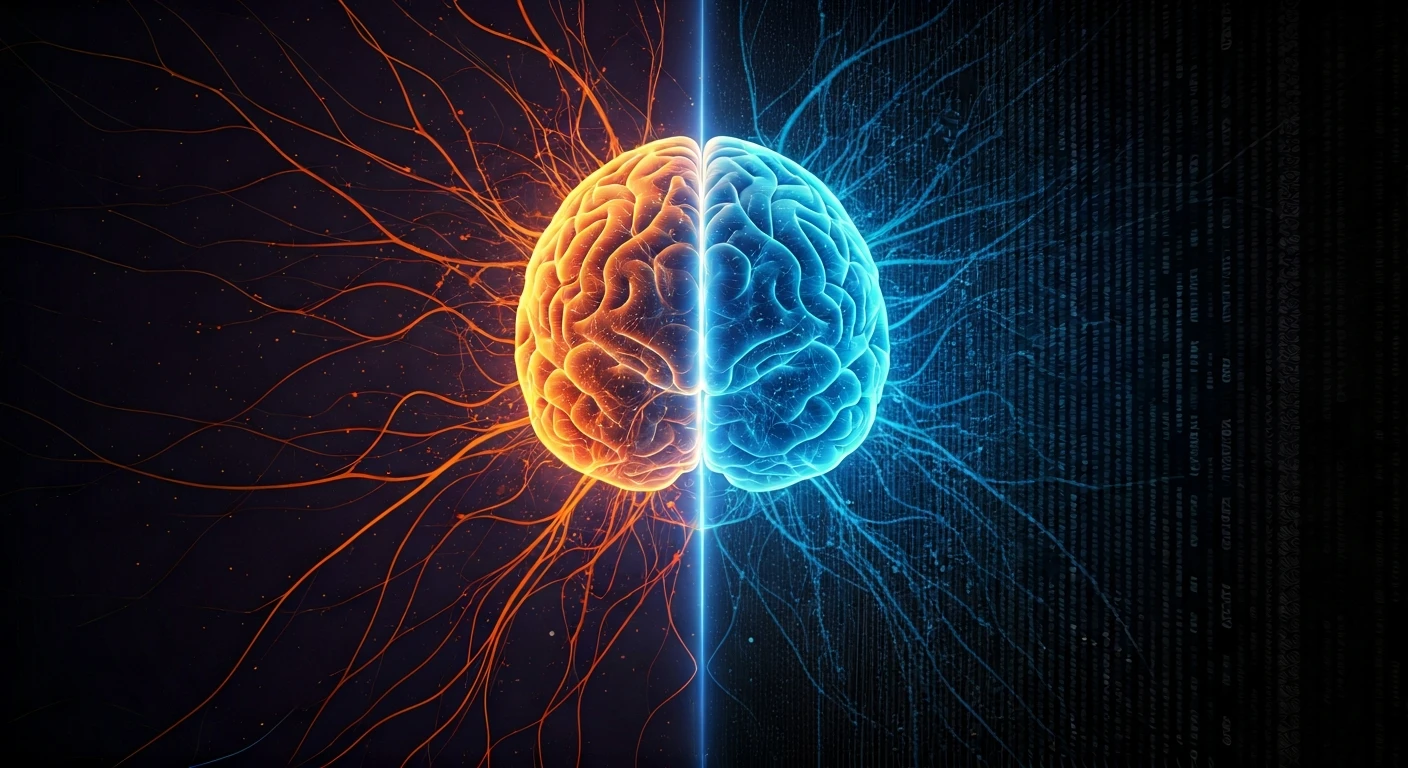
True creativity is more than just pattern recognition and content generation. It is deeply intertwined with human qualities that machines cannot yet replicate. Humans bring emotional intelligence, empathy, and cultural context to their work, allowing them to create stories and designs that connect with audiences on a personal level. Our creativity stems from intuition, personal experiences, ethical judgment, and the ability to ask 'why?'. While an AI can combine existing ideas in novel ways, it lacks the ability to generate a truly groundbreaking concept born from a unique and personal worldview. A recent study even confirmed that when assessed on various criteria like originality and aesthetics, art created by humans was consistently rated as more creative than work generated by AI, even when the AI was guided by a human.
The New Creative Partnership
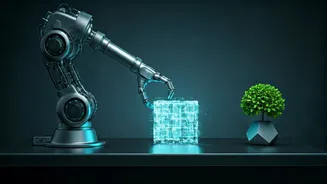
The future is not a battle of humans versus machines, but a collaboration. Creative professionals who learn to use AI as a tool will become more valuable, not less. AI can handle repetitive, time-consuming tasks, freeing up humans to focus on higher-level strategy, ideation, and refinement. Think of it as a new kind of assistant: the human provides the vision, taste, and direction, while the AI executes and generates options. Musicians can use AI to generate a starting melody, visual artists can find inspiration in AI-generated imagery, and writers can use it to create outlines. This hybrid approach, combining AI’s efficiency with human judgment, is where the most exciting innovations will happen. It allows creators to ship more work, experiment more freely, and push the boundaries of their craft.