


What Exactly is This 'Mushroom'?
First things first: while commonly called a mushroom, Rugda isn't one in the traditional sense. Botanically known as *Astraeus hygrometricus*, or the 'hygroscopic earthstar', it's actually a type of subterranean fungus that grows on the roots of Sal trees.
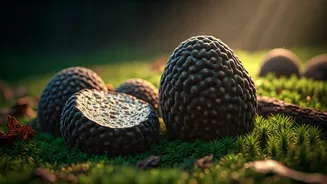
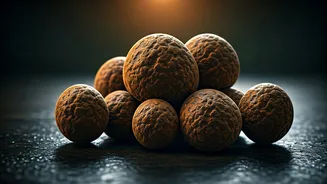
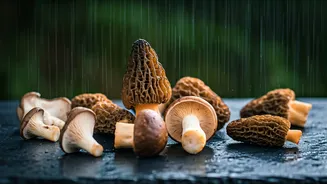
They look like small, off-white or brown, soil-stained orbs, resembling tiny, peeled potatoes or lychees. Unlike mushrooms that sprout above ground, Rugda grows entirely underground and must be foraged by digging into the damp forest floor. This happens exclusively during the monsoon season, typically from the end of June to August, when the first rains soften the earth. Their appearance is a celebrated event, signalling the true arrival of the rains and the bounty that comes with it.
The Treasure of Jharkhand's Forests
Rugda is deeply rooted in the culture and cuisine of the tribal communities in states like Jharkhand, Chhattisgarh, and parts of Odisha and West Bengal. Foraging for these fungi is a traditional practice passed down through generations. During the monsoon, local communities, particularly women, venture into the dense Sal forests to carefully unearth them. It's a laborious process that requires a keen eye and knowledge of the land. Because Rugda cannot be cultivated commercially and relies on a symbiotic relationship with specific trees and soil conditions, its availability is limited and entirely dependent on nature. This scarcity makes it a prized commodity in local markets, where it sells for a premium, often fetching prices comparable to or higher than chicken or mutton.
The 'Vegetarian Mutton' Experience
The main reason for the buzz around Rugda is its incredible texture and taste. When cooked, it has a chewy, meaty consistency that has earned it the nickname 'vegetarian mutton'. Biting into a piece of cooked Rugda is often described as a unique experience—a soft outer layer gives way to a firm, almost rubbery interior that holds its shape well in curries. The flavour is mildly earthy and mushroom-like but also remarkably neutral, allowing it to act like a sponge for the spices and aromatics it's cooked with. This chameleon-like quality makes it incredibly versatile. For those seeking plant-based meat alternatives, Rugda offers a naturally occurring, unprocessed option that has been part of indigenous diets for centuries. It's also packed with protein and minerals, making it a nutritious addition to any meal.
From Forest Floor to Plate
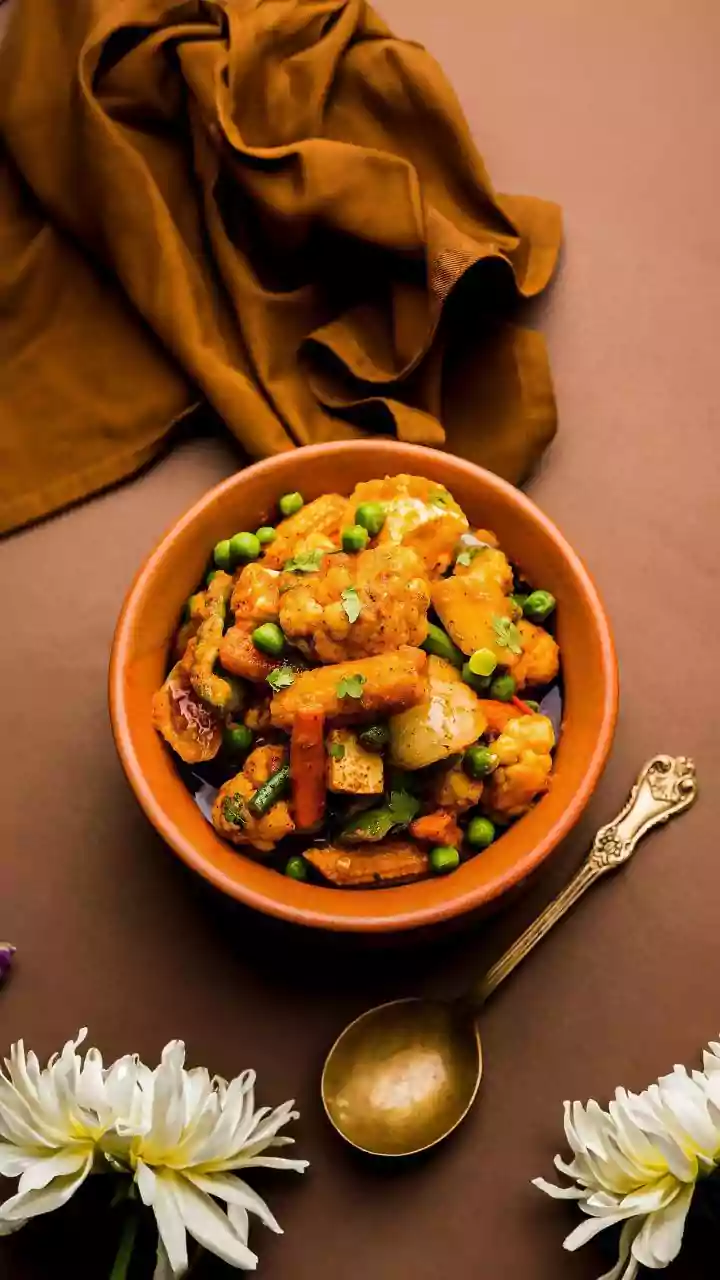
So how do you eat this forest delicacy? The most common preparation is a simple but flavourful curry. After a thorough cleaning to remove all traces of mud, the Rugda are typically sautéed with onions, ginger, garlic, tomatoes, and a blend of spices like turmeric, cumin, and garam masala. The curry, known as Rugda ki Sabzi, is a rustic, hearty dish best enjoyed with hot rice or rotis. The fungus absorbs the flavours of the gravy beautifully, resulting in a dish that is both earthy and spicy. Another popular preparation is Rugda bhurji, where it is chopped and scrambled with spices, much like an egg bhurji. Its meaty texture also makes it a fantastic addition to pulaos or as a filling for samosas and parathas. The key is to let its unique texture shine while infusing it with robust Indian flavours.
A Fleeting Seasonal Delight
Part of Rugda's allure is its fleeting nature. Its season is short, lasting only as long as the monsoon. This ephemerality, combined with the fact that it's foraged rather than farmed, makes it a true seasonal treat. You won't find it in supermarkets in big cities; it remains a hyper-local star, sold by vendors in the markets of Ranchi, Jamshedpur, and other towns across the Chota Nagpur Plateau. This exclusivity is why regional food lovers get so excited. Finding and eating Rugda is about more than just a meal; it's about connecting with a specific place, a specific season, and a rich culinary tradition that has existed outside the mainstream for generations.