




Revenge Travel, The Second Wave
The term 'revenge travel' first appeared after lockdowns lifted, describing a desperate, almost chaotic urge to go anywhere, just to make up for lost time. That initial frenzy, characterized by impulsive bookings and crowded hotspots, has now subsided.
In its place, a more considered and sustained trend is emerging in 2026: delayed revenge travel. This second wave is comprised of people who wanted to travel in 2023 and 2024 but couldn't. Instead of the frantic energy of the first wave, their approach is more intentional. They are planning longer, more meaningful trips, often booked months in advance. It’s not about getting revenge on the pandemic anymore; it's about purposefully reclaiming the experiences they were forced to postpone.
The Long Wait: A Story of Visas and Costs
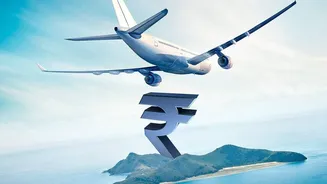
Several factors forced this large group of aspiring travellers to wait. For many Indians, visa backlogs were a significant barrier. Consulates were overwhelmed, and securing an appointment, let alone a visa, for destinations in Europe and the US involved excruciatingly long waits. By 2026, while significant backlogs for some US green card categories remain, the processing for tourist visas has become more manageable, finally opening the door for these patient travellers. Furthermore, the cost of travel in the immediate post-pandemic years was prohibitive for many. Soaring airfares and inflated hotel prices put dream destinations out of reach. With global inflation beginning to temper some costs and travellers having more time to save, those who were priced out earlier are now finding their moment.
Smarter Travel for a New Era
The delayed traveller is not the same as their predecessor. Having waited longer, they are more discerning about how they spend their time and money. The trend is moving away from whirlwind tours of five cities in seven days. Instead, travellers are choosing to stay longer in fewer places, seeking deeper, more authentic connections with the local culture. This has fueled a rise in 'anti-tourism', where people actively avoid overcrowded landmarks and peak seasons in favour of discovering secondary destinations and 'hidden seasons' for a more genuine experience. There is a growing desire for trips that are restorative and experiential, whether it's learning a new skill, engaging with local communities, or focusing on wellness.
From Checklist to Connection
This new form of travel prioritizes personal meaning over a tourist-trap checklist. The goal is no longer just to get a photo for social media, but to have an experience that enriches and restores. This might mean blending a business trip with a few days of leisure, a trend sometimes called 'travel mixology'. It could also involve planning a trip around a specific interest, like a wellness retreat or an astrotourism experience to see the northern lights. Many are also choosing to travel solo to connect with like-minded individuals on organised tours. The common thread is a shift in values: from quantity to quality, from seeing to experiencing, and from rushing to savouring. This approach reflects a fundamental change in how we view the privilege of travel.