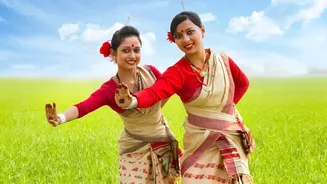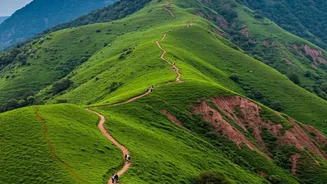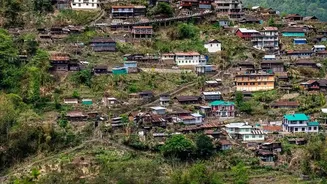




Every December, the hills of Nagaland come alive with the sound of log drums and warrior chants. The Hornbill Festival, the state's biggest cultural event, returns from December 1 to 10, 2026, offering a spectacular window into Naga heritage.
The Festival of Festivals
Often called
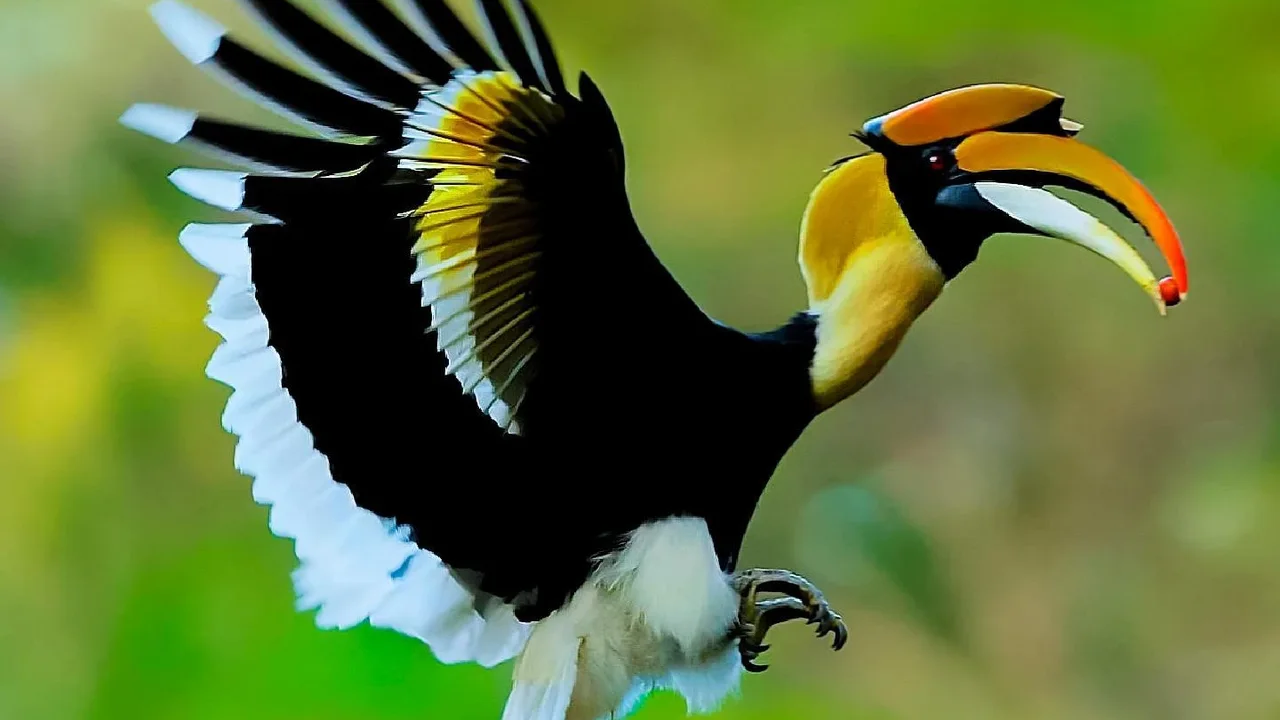
the 'Festival of Festivals', the Hornbill Festival is a grand-scale event organised by the Nagaland government to promote and preserve the state's rich cultural tapestry. Started in the year 2000, its primary aim is to foster inter-tribal interaction and showcase the unique traditions of all Naga tribes in one place. The festival is named after the great hornbill, a forest bird deeply respected and featured prominently in the folklore and ceremonial headgear of most Naga communities. For ten days, the Naga Heritage Village at Kisama becomes a microcosm of Nagaland itself, uniting diverse communities through performances, food, and art.
A Journey into Naga Culture at Kisama
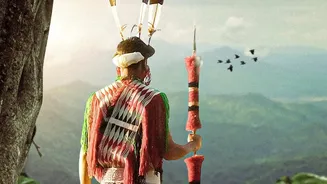
The heart of the festival experience is exploring the morungs, which are traditional Naga dormitories or community houses. At Kisama Heritage Village, each of Nagaland's major tribes has its own morung, constructed in its distinct architectural style. Visitors can walk from one to another, interacting with elders, watching artisans at work on handlooms, and learning about the customs specific to each tribe. This is where the festival becomes personal and immersive, offering a glimpse into daily life, social structures, and the stories behind the intricate textiles and warrior adornments on display. The main arena hosts a daily schedule of vibrant cultural performances, including powerful war dances, folk songs, and ritual enactments from morning until late afternoon.
A Feast for the Senses
Food is an inseparable part of the Hornbill experience. Each morung operates its own kitchen, serving authentic Naga dishes that offer a true taste of the region. Adventurous foodies can sample staples like smoked pork with bamboo shoot, dishes featuring axone (fermented soybean), and fiery chutneys made with the famed Naga king chilli. A must-try local beverage is zutho, a fragrant rice beer poured generously from bamboo mugs. Beyond the food, the festival is a riot of colour and sound, from the handcrafted jewellery and shawls for sale to the resounding beats of log drums and the energetic competitions like traditional Naga wrestling and stone-pulling.
Evenings in Kohima: Music and Markets
As the sun sets over Kisama, the action shifts to Nagaland's capital, Kohima, located just 12 kilometres away. The Hornbill International Music Festival and the Hornbill National Rock Contest are major draws, featuring performances from bands across India. These evening concerts have become a significant platform for musicians in the region. Simultaneously, the streets of Kohima host a bustling Night Carnival, where food stalls and local vendors create a lively atmosphere for evening strolls and shopping.
Essential Planning for Your Trip
Planning ahead is crucial for a smooth trip. The nearest airport and railway station are in Dimapur, about 74 km from Kohima. From Dimapur, it's a 2–3 hour taxi ride to the capital, though travel times can increase due to festival traffic. Indian tourists from outside Nagaland must obtain an Inner Line Permit (ILP), which can be applied for online. Foreign tourists must register with the Foreigner's Registration Office (FRO) within 24 hours of arrival. Accommodation in Kohima and surrounding areas gets booked months in advance, so early reservations are highly recommended. Pack warm clothes, as December in the Naga hills can be quite cold, especially in the evenings.