
The End of an Era for the ISS
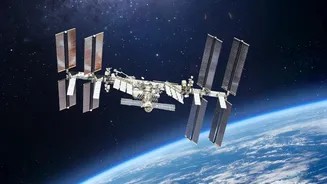
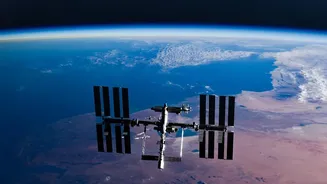
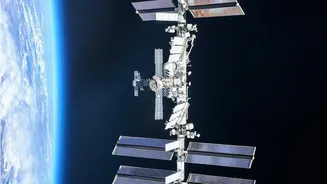
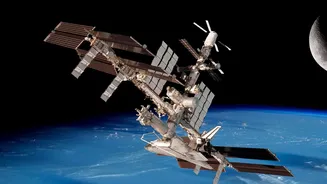
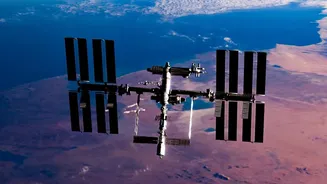
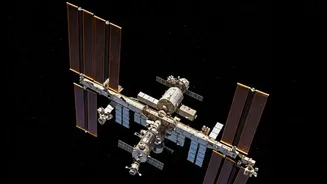
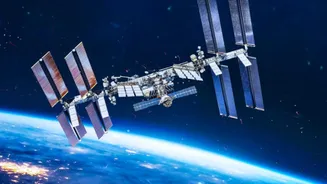
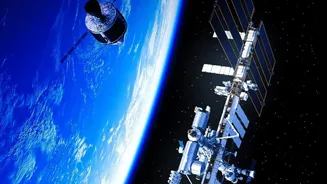
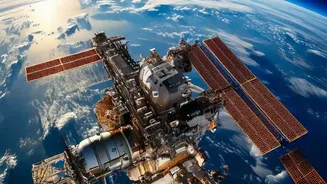
The International Space Station is an engineering marvel, but it's aging. Launched in 2000 and continuously inhabited since, the station was designed for a 15-year lifespan, which has been extended multiple times. Now, after decades of service, the structure
is showing its age. The constant thermal stress of orbiting Earth every 90 minutes—swinging between extreme heat and cold—has caused micro-fractures in its metallic structure. Beyond structural wear, its primary systems use dated technology, and maintenance costs are soaring, with NASA spending over $3 billion annually just on operations. Faced with these rising costs and the station's physical deterioration, NASA and its international partners have decided to retire the ISS around 2030, planning a controlled deorbit into a remote part of the Pacific Ocean known as Point Nemo.
NASA's New Strategy: From Owner to Customer
Instead of building a new government-owned station, NASA is pivoting its strategy. Through its Commercial Low-Earth Orbit Destinations (CLD) program, the agency is fostering the development of private space stations. NASA plans to transition from being an owner and operator to becoming just one of many customers, buying services and astronaut time from these commercial providers. This model is based on the success of its commercial cargo and crew programs, which used private companies like SpaceX and Boeing to service the ISS, saving costs and stimulating a new market. By investing seed money—over $400 million in the first phase—into several companies, NASA is kickstarting a competitive ecosystem in low-Earth orbit (LEO) to ensure there is no gap in U.S. presence in space after the ISS is gone.
Meet the New Contenders in Orbit
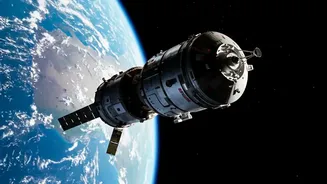
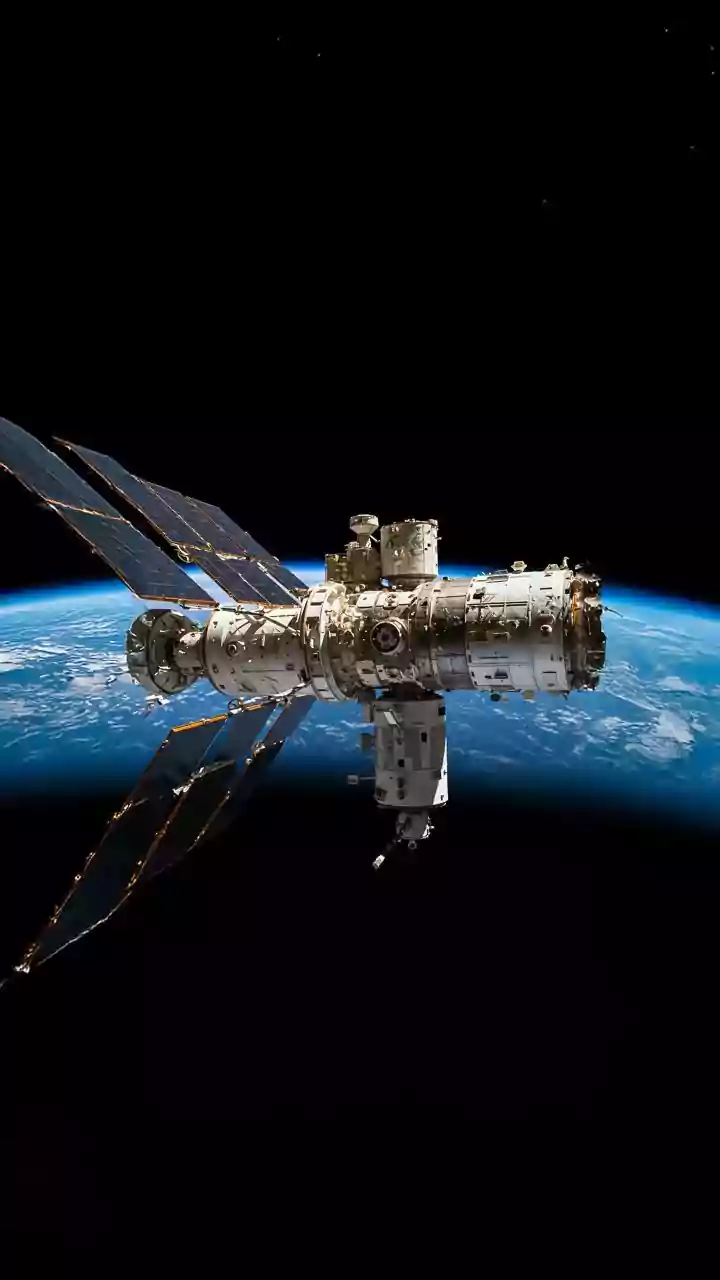
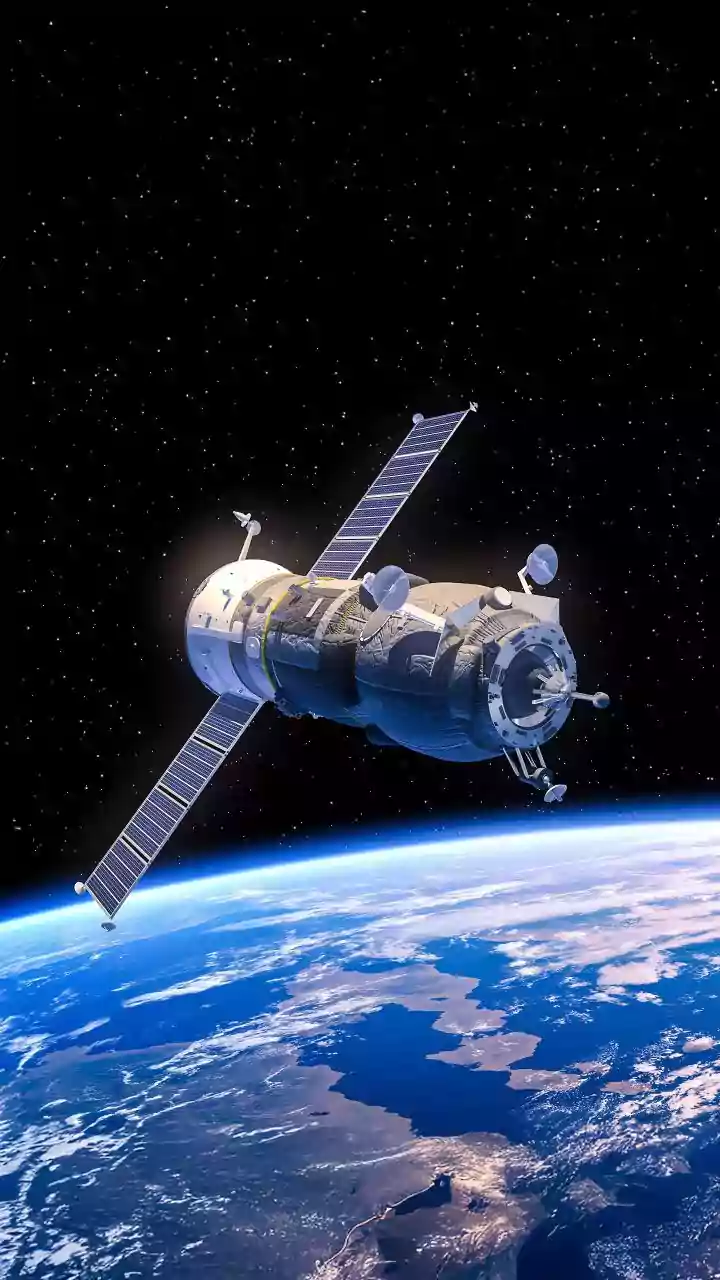
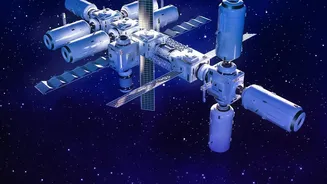
Several companies are racing to build the first commercial successors to the ISS. Axiom Space, which has already flown private astronaut missions to the ISS, plans to attach its first module to the station around 2027. These modules will eventually detach to form the independent Axiom Station. Another major player is Blue Origin, which is partnered with Sierra Space to develop Orbital Reef, envisioned as a 'mixed-use business park' in space. The Starlab space station, a joint venture between Voyager Space and Airbus, is being designed as a continuously crewed platform for research and industrial activity. Finally, Vast is aiming to launch its smaller Haven-1 station as early as 2027, potentially becoming the first free-flying private station.
The Emerging Business of Space
These new stations are designed not just for government astronauts and scientific research, but for a whole new economy. The business model for private stations includes space tourism, in-space manufacturing, and dedicated research for private companies and foreign governments. Companies like Axiom Space already offer seats on missions to the ISS for roughly $55 million. The goal is to create a vibrant ecosystem where diverse tenants can lease space and services. This could unlock new possibilities for industries like pharmaceuticals, materials science, and technology development, all benefiting from the unique microgravity environment. Private stations promise to be more cost-effective, using modern modular designs and advanced launch systems to reduce operational expenses significantly compared to the ISS.
A New Chapter for Humanity in Space
The transition from a single, government-run station to multiple commercial platforms marks a fundamental shift in our relationship with space. By offloading operations in low-Earth orbit to the private sector, NASA can free up its budget and focus on more ambitious goals, such as the Artemis missions to the Moon and eventually Mars. This new era promises to make space more accessible to a wider range of users, from nations without their own space programs to innovative startups. While challenges remain in ensuring these commercial stations are launched on time to prevent a gap after the ISS retires, the move represents a crucial step towards a self-sustaining economy beyond Earth.