





The Sun's 11-Year Rhythm
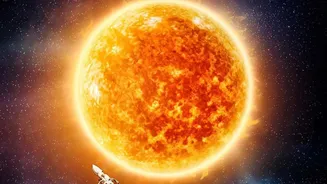
The Sun operates on an approximately 11-year cycle, swinging between periods of low and high activity. The quiet phase is called the solar minimum, marked by few, if any, sunspots. As the cycle progresses, activity builds toward the solar maximum, a peak
period characterized by a dramatic increase in sunspots, solar flares, and eruptions. We are currently in Solar Cycle 25, which began in December 2019. Scientists have observed that this cycle is more active than initially predicted, with the peak period of solar maximum occurring now, throughout 2024 and 2025, before activity begins to decline toward the next minimum around 2030.
Decoding the Sunspots
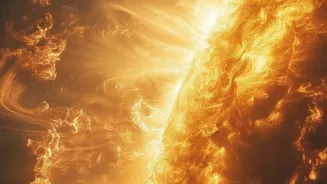
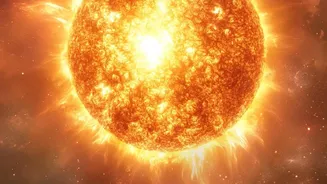
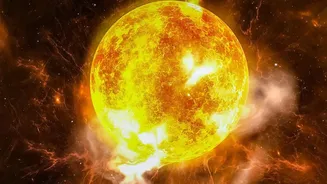
Sunspots are more than just temporary blemishes on the Sun’s surface; they are the primary engines of solar activity. These dark patches are areas where the Sun's magnetic field is exceptionally strong and complex—up to thousands of times more powerful than Earth's. This intense magnetism inhibits the flow of hot gas from the Sun's interior, making sunspots cooler than their surroundings, which is why they appear dark. An average sunspot is roughly the size of Earth, but they can group together into vast, complex regions. It is in these magnetically chaotic areas that immense energy gets stored.
From Sunspot to Solar Eruption
So, how do these spots send particles toward Earth? The process is a dramatic release of stored magnetic energy. The magnetic field lines above sunspot regions can become tangled, twisted, and stressed. Eventually, they can snap and realign in a violent event called magnetic reconnection. This releases a tremendous amount of energy in two main forms. First is a solar flare, which is an intense burst of radiation that can cause radio blackouts on the sunlit side of Earth. The second, and often more impactful, is a Coronal Mass Ejection (CME). A CME is a massive eruption that hurls billions of tons of solar plasma—a cloud of charged particles and magnetic fields—out into space.
A Long Journey Through Space
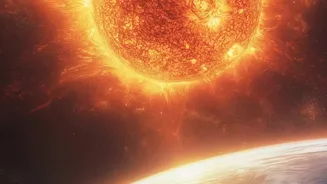
Not every CME is aimed at Earth, but when one is, it travels through the solar system carried by the ever-present solar wind, a stream of particles constantly flowing from the Sun. A CME cloud can travel at speeds ranging from relatively slow to over two million miles per hour, taking anywhere from one to several days to cover the 93 million miles to our planet. As this massive cloud of magnetized plasma travels, space weather agencies like NOAA and NASA track its trajectory, providing forecasts and warnings about its potential arrival and impact.
Earth's Protective Shield
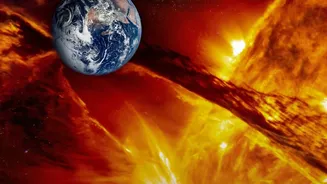
Fortunately, Earth has a built-in defense system: the magnetosphere. This magnetic field, generated by our planet's molten iron core, deflects the majority of the incoming solar particles, shielding life on the surface from harmful radiation. However, a powerful CME can compress and disturb this shield, transferring huge amounts of energy into our upper atmosphere. This interaction triggers what is known as a geomagnetic storm, leading to two major effects: one of spectacular beauty and another of technological concern.
Celestial Fireworks and Earthly Risks
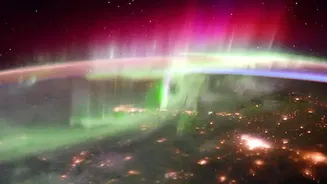
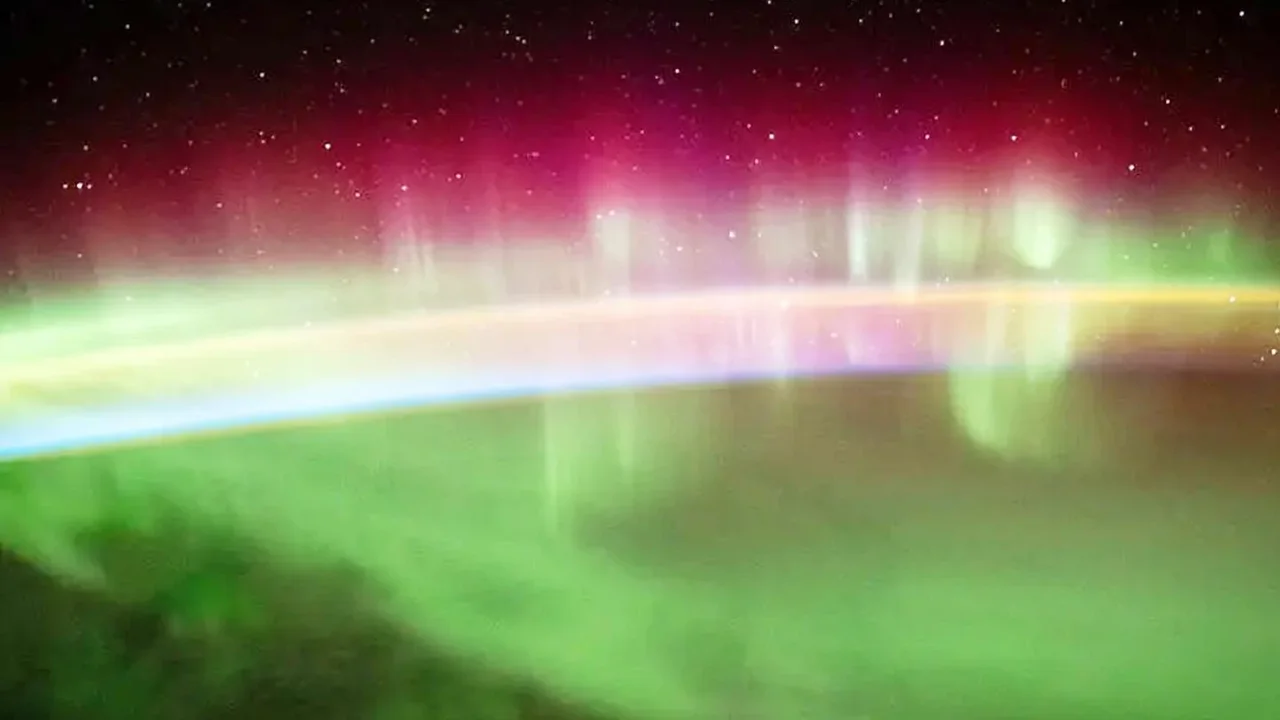
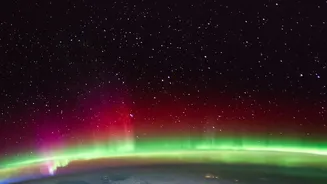
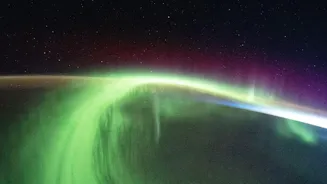
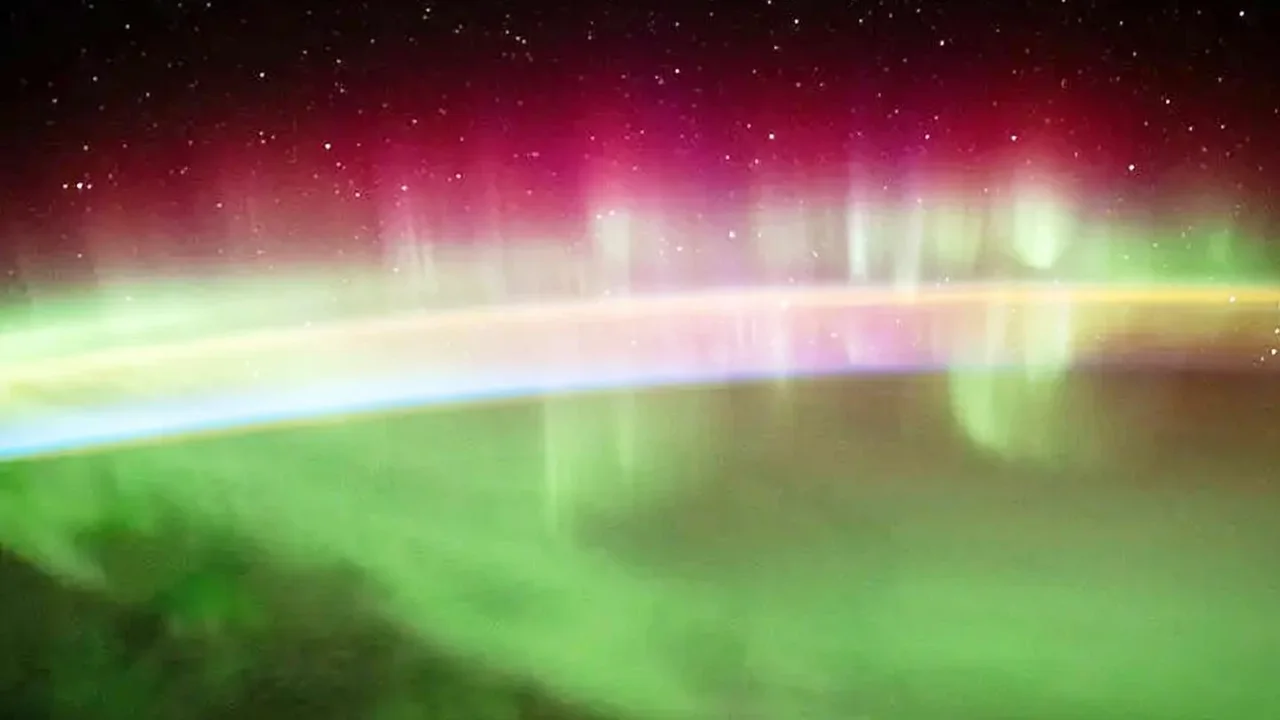
The most beautiful result of a geomagnetic storm is the aurora. When the charged particles from the Sun are funneled by Earth's magnetic field toward the poles, they collide with oxygen and nitrogen atoms in the atmosphere. These collisions excite the atoms, causing them to glow and create the dancing curtains of light we know as the aurora borealis (Northern Lights) and aurora australis (Southern Lights). On the other hand, a strong geomagnetic storm can pose risks. The induced electrical currents can disrupt and damage power grids, as happened during a 1989 storm that caused a major blackout in Quebec. The storms can also interfere with satellite operations, GPS navigation, and high-frequency radio communications, affecting everything from aviation to shipping.