




The New 'Work from Mountains' Reality
For years, the promise of ‘working from the mountains’ was a frustrating paradox. The very remoteness that offered peace and stunning vistas also guaranteed spotty 3G, dropped video calls, and the constant stress of a looming deadline with an unstable
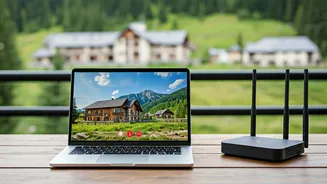
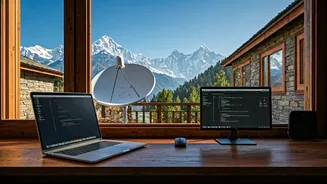
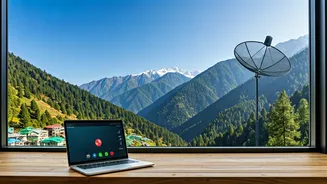
connection. This digital barrier kept the dream out of reach for most professionals. However, the game is finally changing. The arrival of reliable satellite internet services in India is quietly revolutionising remote work possibilities. Unlike traditional broadband or mobile networks that rely on ground-based infrastructure, satellite internet beams connectivity directly from space. This makes it a perfect solution for the geographically challenging terrain of Uttarakhand, bringing city-level internet speeds to once-disconnected valleys and hillsides.
What to Expect: Speed and Scenery
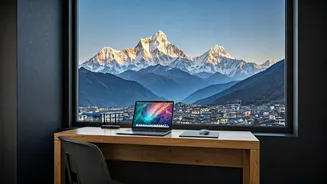
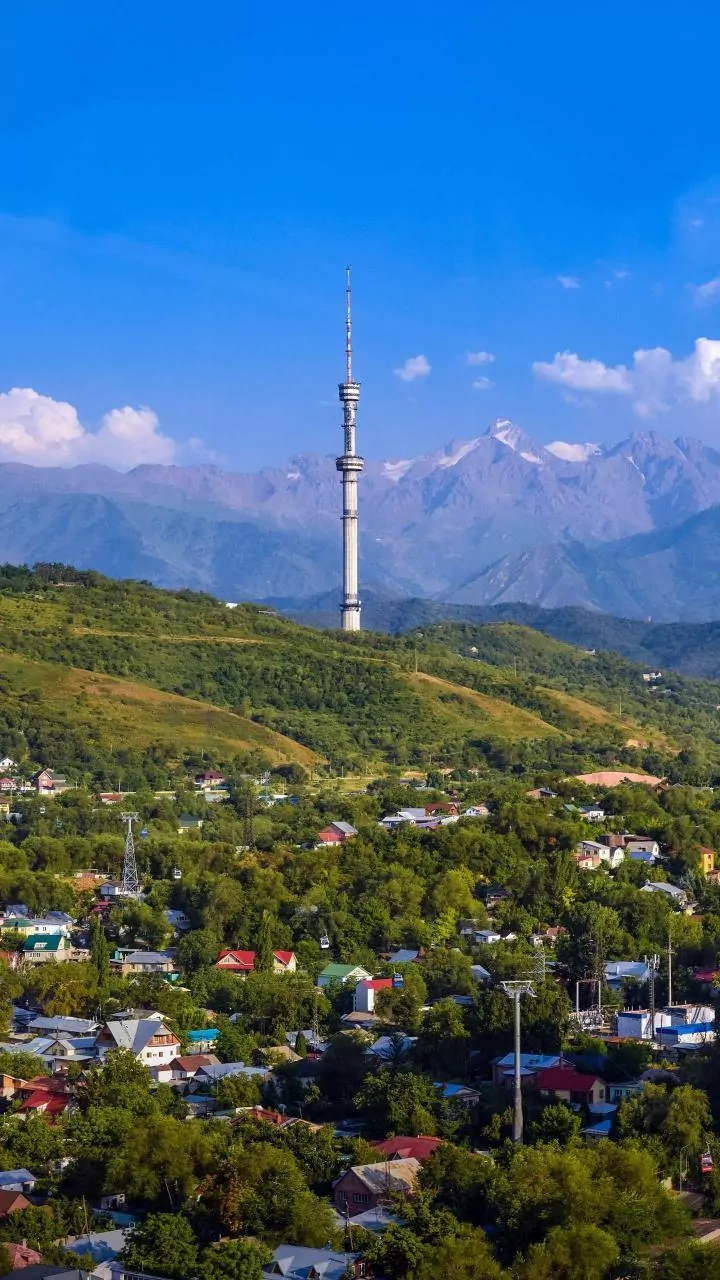
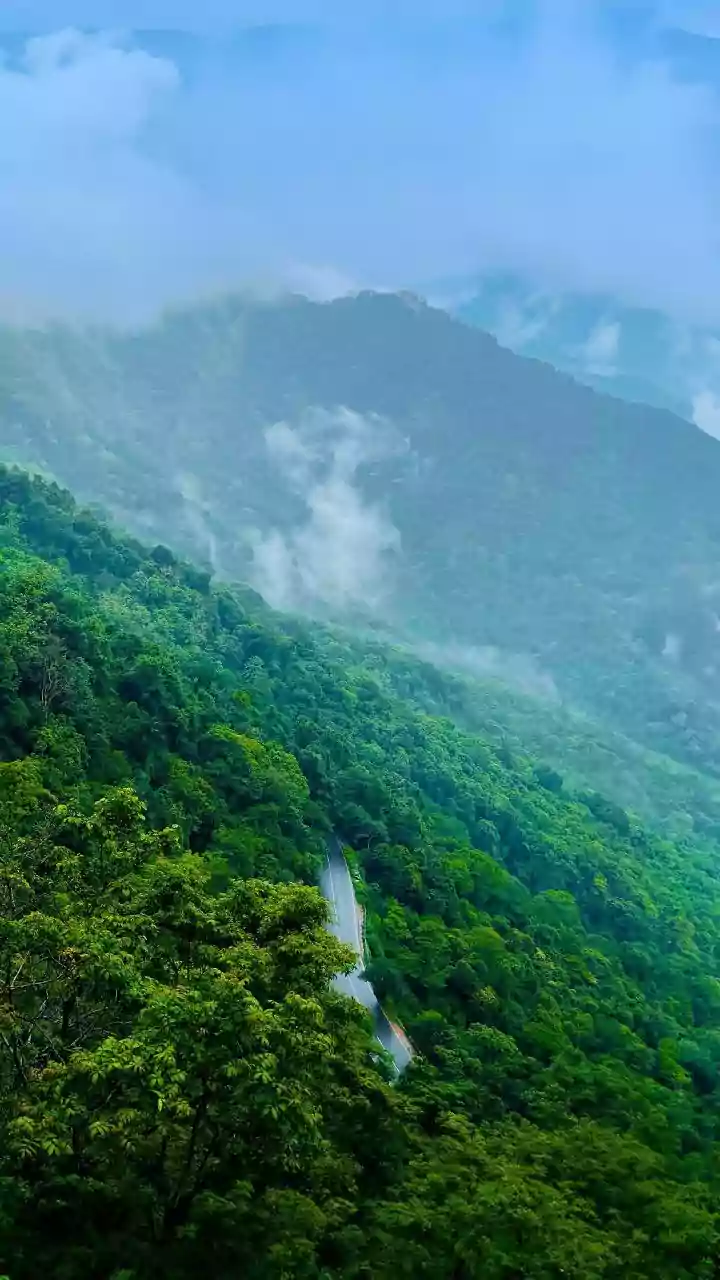
So, what does “high-speed” actually mean in a mountain hostel? While you might not be getting the 1 Gbps fiber optic speeds of a metro city, you can realistically expect connections robust enough for the modern professional’s needs. We’re talking about stable speeds that comfortably support Zoom and Google Meet calls without freezing, allow for large file uploads and downloads, and facilitate seamless cloud-based work. For many hostels, this means offering speeds between 30 to 100 Mbps, a massive leap from the single-digit speeds that were common before. The real value proposition, however, is the combination of this reliable connectivity with an unparalleled ‘office’ environment. Imagine finishing a client presentation and then immediately stepping out for a walk through a pine forest, or taking your morning chai on a balcony overlooking snow-capped peaks. This blend of productivity and well-being is the core appeal.
Where to Find Your Mountain Office
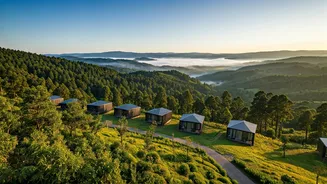
This trend isn't confined to one or two locations; it's sprouting up across the state. Popular hostel chains, known for catering to a young, digital-savvy crowd, are leading the charge. Brands like Zostel and goSTOPS have been actively upgrading their properties in key locations such as Rishikesh, Mussoorie, and Nainital to include better co-working spaces and faster internet. But the movement extends beyond big brands. Independent hostels and boutique homestays in slightly more offbeat destinations like Mukteshwar, Almora, and Chopta are also investing in satellite connections to attract long-stay travellers and remote workers. These smaller establishments often offer a quieter, more integrated community feel. When searching, look for terms like “workation-friendly,” “co-working space,” and specifically inquire about their internet provider and backup power solutions before booking.
More Than Just a Wi-Fi Password
The hostels embracing this trend understand that remote workers need more than just a good internet connection. They are cultivating an entire ecosystem built for productivity and community. Many now feature dedicated co-working zones with comfortable seating, ample charging points, and a quiet atmosphere distinct from the more social common areas. Some even offer complimentary tea and coffee to keep you fueled through the workday. This fosters a unique social environment where you are surrounded by like-minded individuals—freelancers, entrepreneurs, and employees from various industries—all balancing work and travel. The evenings transform from work hubs into social spaces, perfect for networking, sharing stories, or planning weekend treks with new friends. It’s a solution to the isolation that can sometimes accompany remote work.
Planning Your Mountain Workcation
To make the most of your trip, a little planning goes a long way. First, communicate with your chosen hostel directly. Ask specific questions about internet speed, reliability, and whether they have power backup like an inverter or generator—essential for a region prone to power cuts. Second, pack smart. Bring an extension cord, a portable mobile hotspot as a personal backup, and noise-cancelling headphones for focused work. Finally, set a routine. It’s easy to let the lines between work and vacation blur. Structure your day to include dedicated work hours, but also make sure to block out time to explore your surroundings, go for hikes, and simply enjoy the view. The goal isn't just to work from a different location, but to achieve a healthier, more inspiring work-life balance.