








Judge the Gear By Its Cover
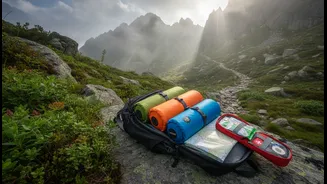
The first and most tangible sign of a professional operator is the quality of their equipment. Don’t be shy about inspecting it. Whether it's a rafting paddle, a climbing harness, or a trekking tent, the gear should be from reputable brands and appear
well-maintained. Ask the operator how often they inspect and retire old equipment. Reputable companies maintain detailed logbooks for all their gear. For activities like rafting, essentials include properly fitting life jackets for everyone, throw bags, and at least one spare oar per raft. Helmets should be mandatory for many sports, not optional. Vague answers about maintenance schedules or a collection of worn-out, mismatched gear are major red flags. A professional outfit invests in safety, and that begins with providing reliable, certified equipment that is appropriate for the activity.
Ask About the Guides and Group Size
An operator is only as good as its guides. Their experience is your safety net. Ask how long they have been guiding, specifically in the area of your tour. A guide with years of local experience knows the terrain, weather patterns, and potential hazards in a way no manual can teach. Enquire about their certifications. In India, bodies like the Indian Mountaineering Foundation (IMF) and the Adventure Tour Operators Association of India (ATOAI) provide guidelines and training. Internationally recognized qualifications are also a great sign. Equally important is the guide-to-participant ratio. While some consider a 1:12 ratio acceptable, top-tier operators often provide a much lower ratio, such as 1:6, to ensure personalised attention and better risk management. Small group sizes not only enhance safety but also make for a more personal and enjoyable experience.
What is the Emergency Plan?
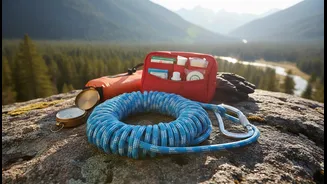
Even with the best guides and gear, things can go wrong. A professional operator doesn't just hope for the best; they plan for the worst. Ask for specifics about their emergency and rescue procedures. Do they have a clear communication plan? Who do they contact in an emergency? What is their protocol for injuries or sudden illness? They should have first-aid kits readily accessible, and guides should be trained in wilderness first aid. For water-based activities, a safety kayaker or a second boat is often a minimum requirement for anything beyond a simple float trip. The operator should be able to clearly explain their evacuation plan, including how they would transport an injured person from a remote area. If their emergency plan sounds vague or amounts to little more than “we’ll call for help,” you should look elsewhere.
Check for Licenses and Reputation
A legitimate operator will be transparent about their credentials. Check if they are registered and licensed with the relevant state tourism department or other governing bodies. In India, recognition from the Ministry of Tourism or affiliation with an association like ATOAI is a positive indicator of their commitment to quality and safety standards. Beyond official paperwork, look for their reputation. Read online reviews from previous customers on multiple platforms to get a balanced view. Don't just look at the star ratings; read the comments to understand how they handle challenges. Also, ensure the operator has adequate insurance coverage for their activities. A willingness to openly share all this information demonstrates confidence and professionalism.