
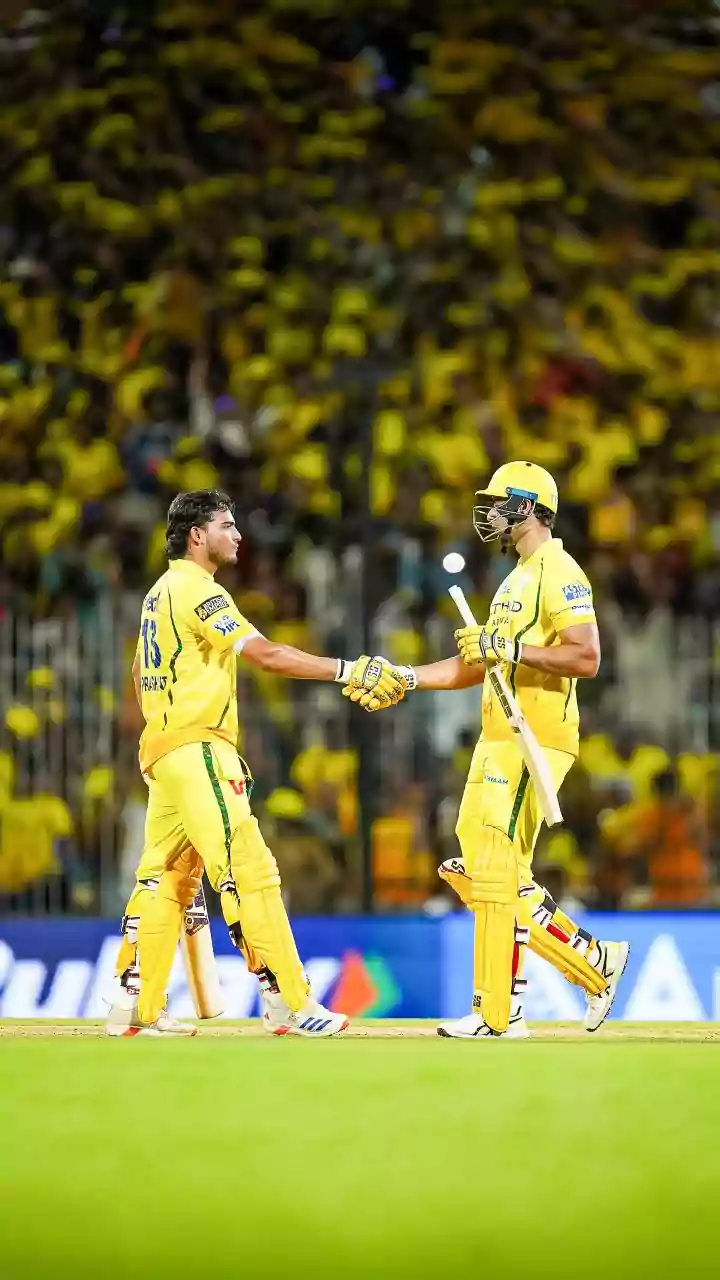
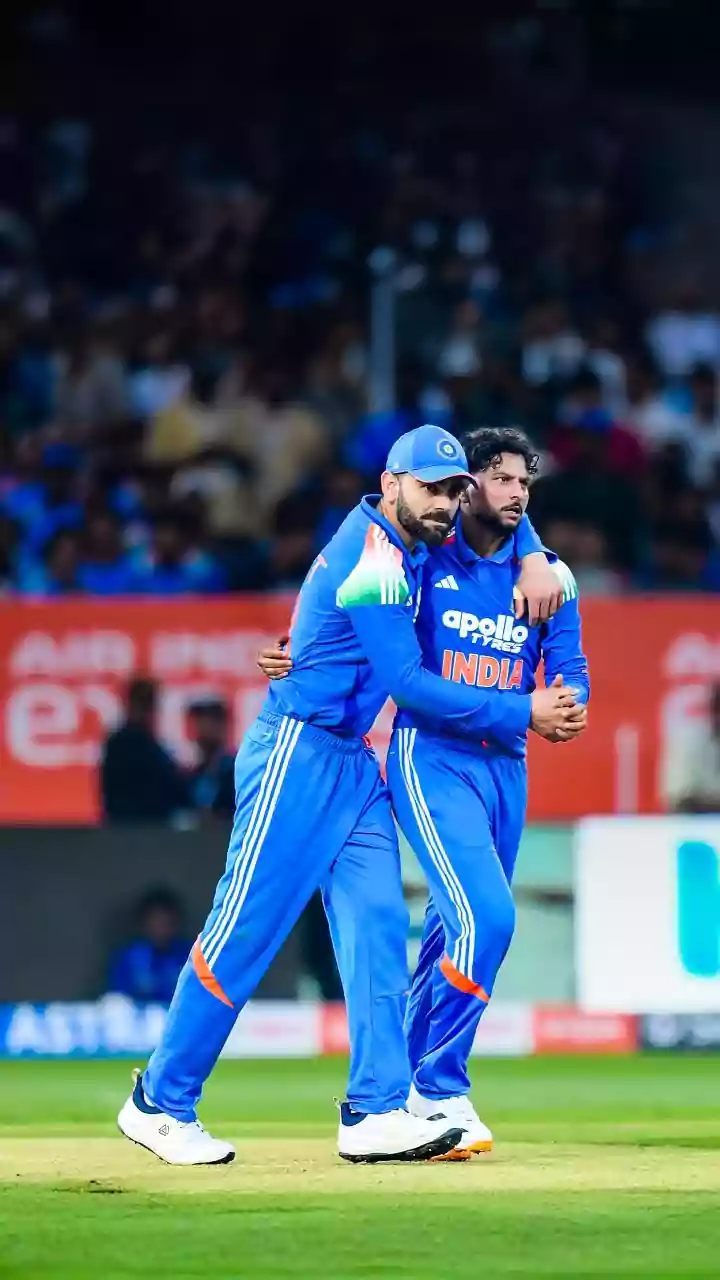

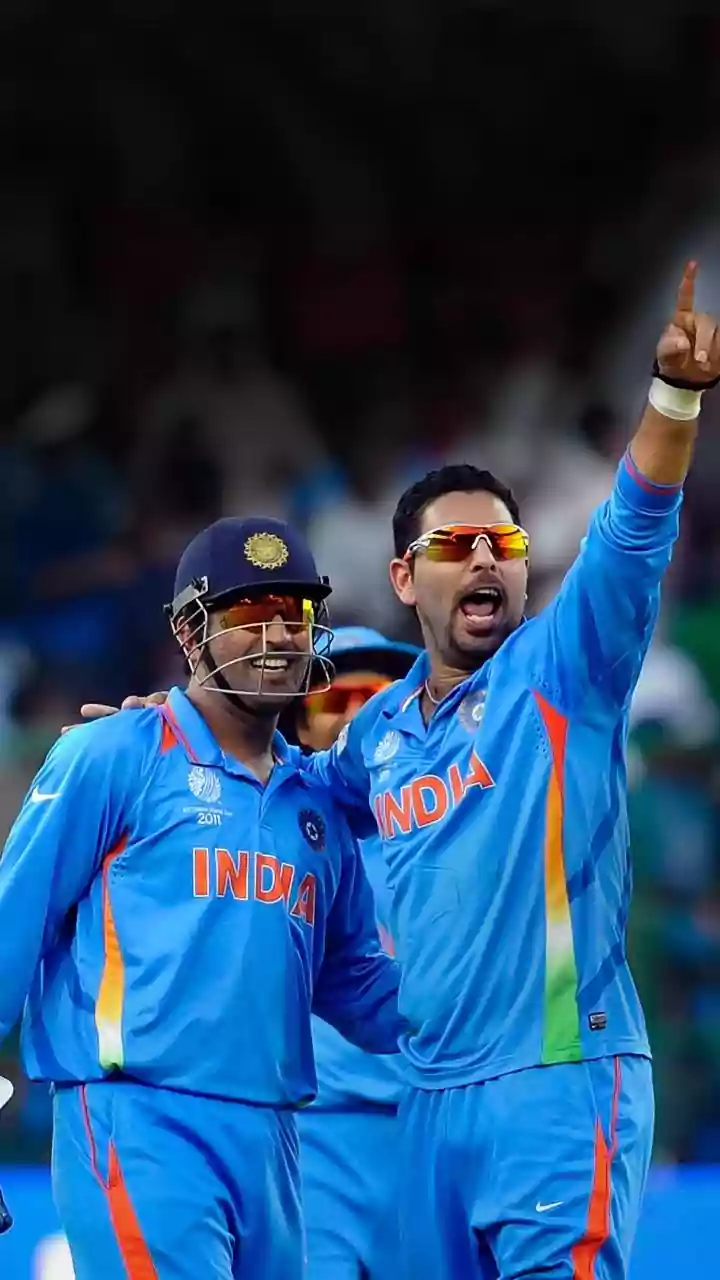


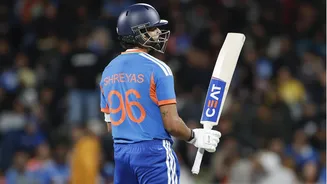
The curious case of Sanju Samson continues to baffle Indian cricket fans. After a spectacular start to the New Zealand T20I series, a familiar slump has once again raised questions about his place at the top of the order. Is it time to persist or pivot?
A Tale of Two Halves
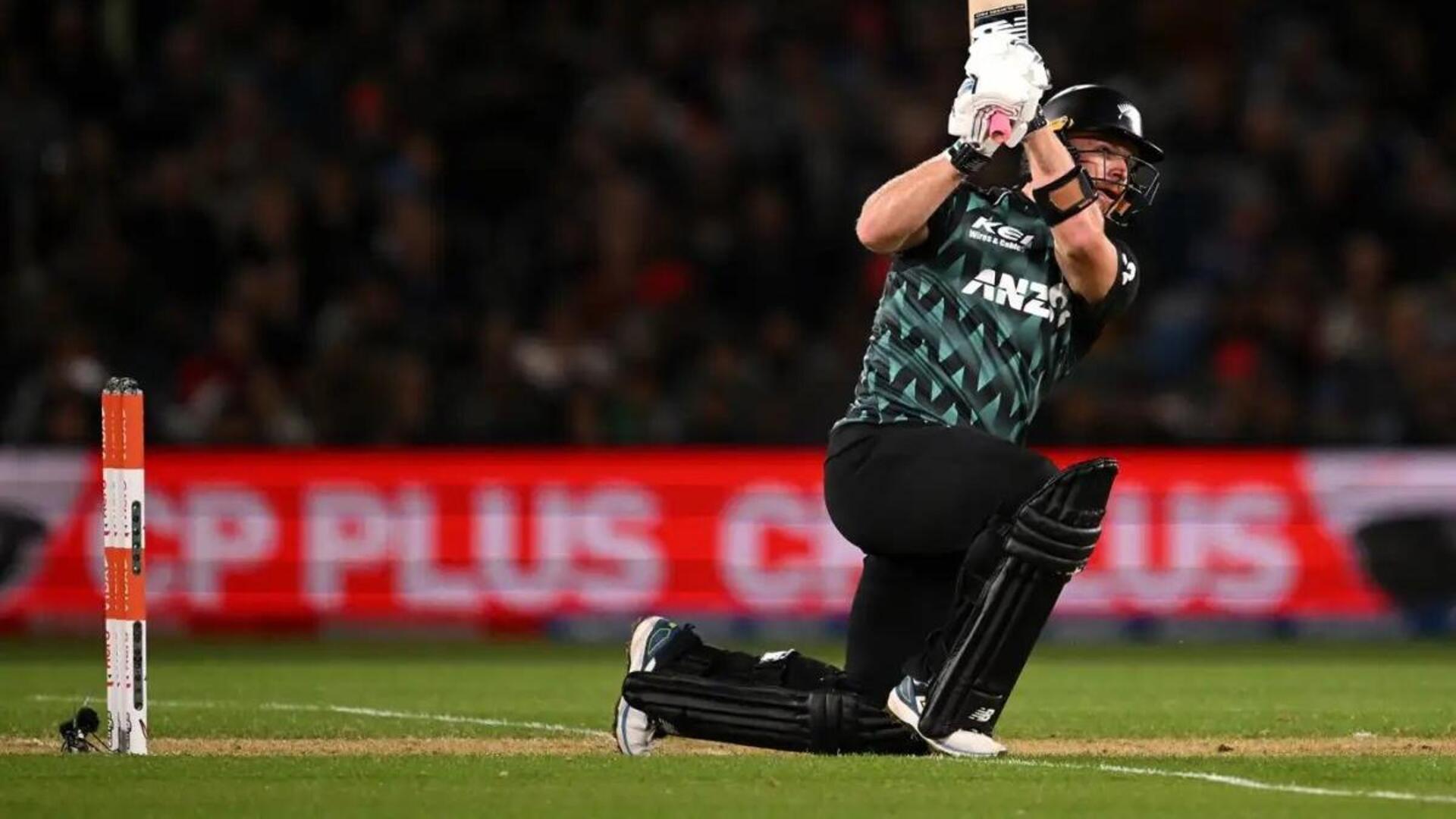
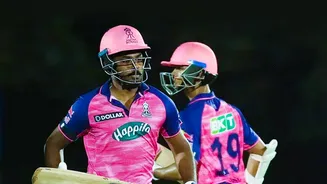
Sanju Samson’s five-match T20I series against New Zealand was a story in two starkly different parts. He began with a brilliant, match-winning 67 off just 33 balls in the first T20I in Christchurch, anchoring a record-breaking chase for India. It was the Samson everyone knows he can be: elegant, powerful, and dominant. Fans and critics alike hailed his consistency in the calendar year. But the dream start quickly unravelled. In the subsequent four matches, Samson managed a meagre 40 runs, with scores of 14, 18, and two single-digit dismissals. The final tally of 107 runs at an average of 21.40 tells a frustrating story of a player who promised so much but delivered in only one outing. This pattern is the central dilemma of his international career—flashes of undeniable genius punctuated by frustrating periods of low scores.
The Consistency Conundrum
The debate around Samson is rarely about his talent. On his day, he is one of the most watchable and destructive batters in world cricket. The problem, as highlighted by this recent series, is his inability to string together consistent performances for India. Former players like Ajay Jadeja have pointed out that bowlers seem to have figured out his technique, particularly his tendency to play away from his body early in the innings. This isn't a new criticism, but it becomes more pronounced when the team is trying to build a reliable opening combination for future tournaments. While some, like Cheteshwar Pujara, argue that consistency is overrated in the high-risk T20 format, the patience of selectors and fans is wearing thin. For every breathtaking innings, there are a handful of failures that put pressure back on the middle order and raise the same old questions.
Enter Vaibhav Sooryavanshi, The Prodigy
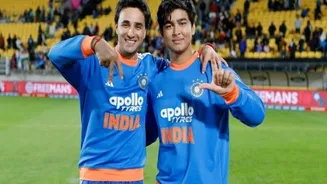
Waiting in the wings is a name that has generated immense excitement in Indian cricket: Vaibhav Sooryavanshi. At just 15 years old, the left-handed batter from Bihar is not just a prospect; he's a phenomenon. Sooryavanshi has shattered records at every level, becoming the youngest player in IPL history, the youngest to score an IPL century, and India's youngest men's T20I debutant. His 2026 IPL season for Rajasthan Royals was historic, where he won the Orange Cap by scoring 776 runs at a phenomenal strike rate of 237.30, hitting a record 72 sixes. He is an aggressive, fearless, top-order batter, exactly the kind of player modern T20 sides are built around. With such explosive domestic and age-group performances, the calls to fast-track him into the main squad are growing louder with every failure of the incumbent openers.
Patience vs. Progress: The Big Decision
The selectors face a classic dilemma: Do they back Samson's proven, albeit inconsistent, match-winning ability, or do they invest in the prodigious talent of Sooryavanshi? Dropping Samson feels like a knee-jerk reaction. He is, after all, a senior player who has shown he can singlehandedly win games at the highest level. There's always a risk in blooding a 15 year old, no matter how talented, against the world's best bowlers without a proper transition. On the other hand, continuing with Samson without addressing his inconsistency could be seen as delaying the inevitable and holding back a potentially generational talent. Sooryavanshi represents the future, and his fearless approach could be the key to India’s dominance in the T20 format. The management must weigh the risk of unsettling a young player against the reward of unleashing a superstar.