







The Unassuming Hero
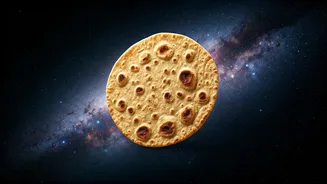
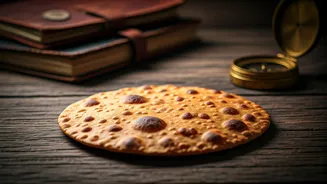
For the uninitiated, a thepla is a soft, spiced flatbread hailing from Gujarat. It’s a close cousin of the paratha but is typically thinner and made from a mix of whole wheat flour, chickpea flour (besan), and often includes finely chopped fenugreek leaves
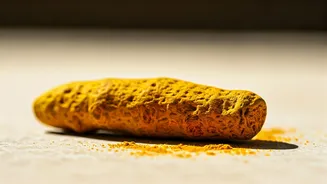
(methi). A medley of spices like turmeric, red chilli powder, and coriander-cumin powder gives it a gentle warmth, while a bit of yogurt or oil in the dough ensures it stays soft for days. Cooked on a tawa with a light slick of oil until flecked with golden-brown spots, it’s a simple, unassuming, and utterly delicious staple.
Engineered for Endurance
Herein lies the thepla’s genius. It’s not just food; it’s a feat of culinary engineering designed for travel. The secret to its long shelf life—easily lasting three to five days without refrigeration, and sometimes longer—is in its preparation. The moisture content is carefully controlled. Using oil instead of ghee for cooking prevents it from solidifying and going rancid quickly. The spices, particularly turmeric, act as natural preservatives. This makes it the perfect antidote to dubious train pantry food or expensive airport snacks. It’s a reliable, ready-to-eat meal that survives long journeys in a backpack without complaint.
A Wholesome Powerhouse
Unlike many convenience foods that are high in preservatives and low in nutrition, thepla is a surprisingly balanced meal. The whole wheat flour provides complex carbohydrates for sustained energy. The addition of methi leaves offers a dose of vitamins, minerals, and fibre. The besan ups the protein content. It’s a complete package that fills you up without leaving you feeling sluggish. Whether you’re a student heading to a hostel, a professional on a business trip, or a family on vacation, a stack of theplas ensures you have a wholesome meal on hand, staving off the temptation of fried snacks and junk food.
The Ultimate Multitasker
The thepla’s versatility is legendary. It asks for nothing but is happy to be paired with almost anything. Eat it plain, rolled up for a quick bite while waiting for a connecting flight. Spread some mango pickle (chundo) or spicy lime pickle on it for a tangy kick. Pair it with a small tub of yogurt for a cooling, satisfying meal. Crumble it into a bowl and have it with your morning chai. It serves as breakfast, lunch, dinner, or a midnight snack with equal ease. This adaptability makes it the perfect food for unpredictable travel schedules and varied cravings.
More Than Food, It's a Feeling
Beyond all its practical benefits, the thepla’s greatest power is emotional. More often than not, the theplas in a traveller’s bag weren’t bought; they were made. They were rolled out with love by a mother or grandmother, a parting gift packed alongside whispered blessings and travel advice. Each bite, taken in a sterile hotel room or a noisy train compartment thousands of kilometres away, is a taste of home. It’s the flavour of care and connection, a reminder that even when you’re alone, you’re carrying a piece of your family with you. In that sense, it’s not just a snack; it’s a hug in flatbread form.