




The Flight Hunt Is Your First Hurdle
The single biggest expense of your trip will be airfare, and conquering it is key to staying within budget. Direct flights to Vietnam from major Indian cities like Delhi, Mumbai, and Kolkata are operated by low-cost carriers such as VietJet Air and IndiGo.
The trick is to book well in advance—at least three to four months before your travel dates. Be flexible with your dates by a few days and use online flight comparison tools to spot the cheapest window. Travelling during the shoulder seasons (April-May and September-October) can also yield significant savings. With careful planning, a round-trip ticket can be secured for approximately ₹15,000–₹18,000.
Visa, Currency, and Other Essentials
Getting a visa for Vietnam is a straightforward online process for Indian passport holders. The 90-day single-entry e-visa is the most common choice for tourists and costs a standard government fee of $25 USD, which is roughly ₹2,100. You can apply through the official government portal and typically receive the e-visa within three to five working days. For currency, it's often more economical to carry US dollars from India and exchange them for Vietnamese Dong (VND) at money changers in Vietnam, as you get a better rate than exchanging rupees directly. Also, remember to purchase a local SIM card upon arrival for affordable data access, which is crucial for navigation and booking ride-hailing services.
Your Budget-Friendly Northern Vietnam Itinerary
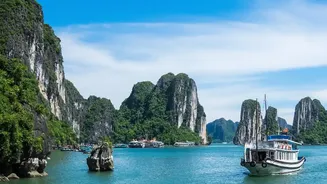
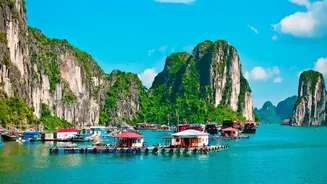
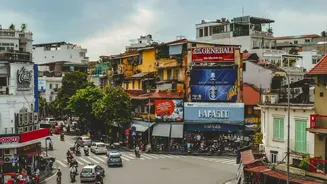
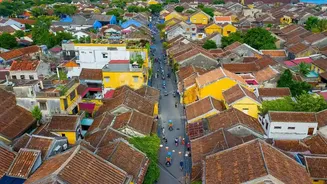
To maximise your time and minimise travel costs, focus on one region. Northern Vietnam, with its capital Hanoi, offers a perfect blend of culture, history, and nature for a five-day trip. Day 1: Arrival in Hanoi. Arrive at Noi Bai International Airport (HAN), take the budget-friendly bus or a ride-hailing service to the Old Quarter, and check into your hostel. Spend the evening exploring the enchanting Hoan Kiem Lake and watch a traditional water puppet show. Day 2: Hanoi’s Culture and Chaos. Spend the day wandering through the narrow streets of the Old Quarter, visit the Ho Chi Minh Mausoleum complex, and explore the Temple of Literature. In the evening, grab a tiny plastic stool and experience the unique atmosphere of Bia Hoi Corner, where fresh draft beer costs next to nothing. Day 3: A Day Trip to Ninh Binh. Often called 'Ha Long Bay on land', Ninh Binh is a spectacular landscape of limestone karsts and winding rivers. Take an early bus from Hanoi and enjoy a boat tour in Tam Coc or Trang An. A pre-booked day tour can be a cost-effective and hassle-free option. Day 4: More Hanoi Exploration. Use this day to explore anything you missed. Visit the Women's Museum, hunt for the perfect egg coffee, and walk along the famous Hanoi Train Street (checking local regulations, as access can be restricted). In the evening, you can do some souvenir shopping at the Dong Xuan Market. Day 5: Departure. Enjoy a final Vietnamese breakfast with a classic Banh Mi sandwich before heading back to the airport for your flight home.
Making the Numbers Work: A Budget Breakdown
Sticking to the ₹35,000 budget is challenging but achievable. Here is a plausible breakdown of expenses per person: Return Flights: ₹18,000 (booked 3-4 months in advance on a budget airline). Vietnam E-Visa: ₹2,100 ($25 USD). Accommodation: ₹3,200 (4 nights in a hostel dorm at ~₹800/night). Food and Drinks: ₹6,000 (5 days at ~₹1,200/day, focusing on street food). Activities and Local Transport: ₹4,500 (includes a day trip to Ninh Binh, museum entries, and local rides). Miscellaneous Buffer: ₹1,200 (for anything extra). Total: ₹35,000. This requires disciplined spending. Opting for hostels or budget guesthouses is non-negotiable, as is embracing street food, which is not only cheap but also one of the highlights of visiting Vietnam.