




Beyond the Picture-Perfect Shot
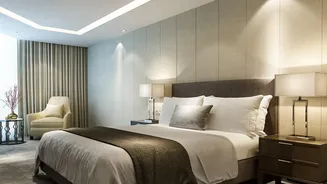
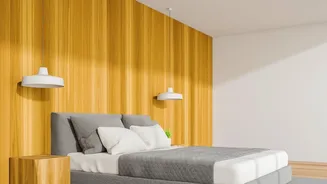
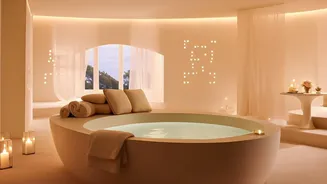
Hotel photography is marketing. Its primary goal is to sell you a vision, an experience, and, most importantly, a room. Professional photographers use specific techniques, like wide-angle lenses and strategic lighting, to make spaces appear larger, brighter,
and more luxurious than they might be in reality. This isn’t necessarily deception; it’s presentation. However, as a savvy traveler, your job is to look past the presentation and analyze the reality. By focusing your attention on a few key areas, you can develop a more accurate picture of your potential stay before you ever enter your credit card details.
Decoding Room Categories
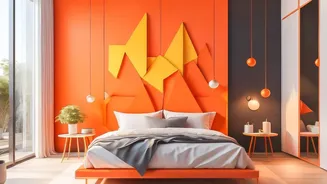
Hotels use a dizzying array of terms—Standard, Superior, Deluxe, Executive—but these labels aren't standardized across the industry. A "Deluxe" room in one hotel might be a "Standard" in another. This is why simply trusting the category name is a mistake. Instead, use the photos to find the real differences. When a hotel offers multiple room types, compare the images side-by-side. What specifically changes between a Standard and a Superior room? Is it more space, a better view, a renovated bathroom, or just a different bedspread? Often, the tangible upgrade is minimal, but the price difference is not. Look for photos that show the entire room layout, not just a tight shot of the bed. If the gallery for the more expensive category only shows a close-up of a coffee machine, you can be reasonably sure the upgrade isn't substantial.
The Window Tells the Real Story
A room's window is one of the most revealing elements in a hotel photo, yet it is often overlooked. First, assess the light. Is the window glowing with a pure, bright white light? This is a common photography trick used to hide an undesirable view, such as a brick wall, an alleyway, or noisy HVAC equipment. A truly great view will be a feature of the photo, not an overexposed blur. Look for photos that clearly show what's outside. If a hotel boasts an "ocean view," but all the photos are tightly cropped on the interior, be skeptical. Also, consider the size and placement of the window. It determines the amount of natural light in the room, which greatly affects the ambiance. A large window can make a small room feel airy, while a tiny one can make even a spacious room feel dim and cramped.
The Bathroom Is a Blueprint for Quality
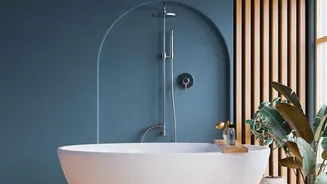
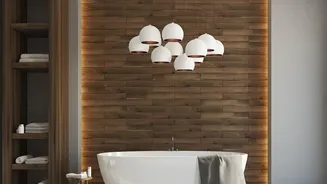
Never underestimate the importance of bathroom photos. For many travelers and hoteliers, the bathroom is a proxy for the entire property's quality and cleanliness. A hotel proud of its rooms will feature clear, bright photos of its bathrooms. Look closely at the details. Are the fixtures modern or dated? Is there ample counter space around the sink? Pay attention to the shower—is it a spacious walk-in with a modern showerhead, or a cramped tub with a stained curtain? Look for signs of age or poor maintenance, like discolored grout or old fixtures. The absence of a bathroom photo is a significant red flag; it often means the hotel knows it's a weak point. Conversely, a well-photographed, sparkling clean bathroom is one of the best indicators that the hotel pays attention to detail and maintenance across the board.
Verify with Traveler Photos
The single most effective way to validate the professional shots is to seek out pictures taken by actual guests. Websites like TripAdvisor and Google Maps have galleries of traveler-submitted photos that are not staged, professionally lit, or shot with a wide-angle lens. These images provide an unfiltered look at what the room genuinely looks like. Pay attention to photos that show wear and tear, the actual size of the space, and the real view from the window. While one bad photo from a disgruntled guest might be an outlier, a consistent pattern of images showing small, dark, or dated rooms is a clear signal to adjust your expectations or book elsewhere. Cross-referencing professional photos with user-generated content is the ultimate check, ensuring the room you book is the room you get.