




The Philosophy of Sattvik Food
At the heart of festive fasting cuisine is the Sattvik diet, a concept rooted in Ayurveda and yogic philosophy. In this ancient system, foods are classified based on their inherent qualities or 'gunas': Sattva, Rajas, and Tamas. Sattva represents purity,
harmony, and clarity. Sattvik foods are those that are natural, fresh, light, and provide clean energy. They are believed to calm the mind and nourish the body, making them ideal for periods of spiritual focus and discipline. The other two gunas are Rajas (stimulating and agitating) and Tamas (heavy and dulling). During a fast, the goal is to minimise Rajasic and Tamasic influences to promote a state of inner peace and purity. This is why foods like onions, garlic, heavily processed items, and stale leftovers are strictly avoided.
Why Rock Salt is the Rule
One of the most distinct rules of fasting food is the switch from regular table salt to rock salt, or 'sendha namak'. The reason is purity. Rock salt is the most unprocessed form of salt, mined directly from ancient sea salt deposits without undergoing chemical treatments or additions like iodine. According to Ayurveda, this makes it inherently Sattvik. While regular table salt is considered 'heating' and Rajasic, rock salt has a cooling effect on the body, which is beneficial during a fast. It is also lighter on the digestive system and helps maintain the body's electrolyte balance, preventing the fatigue that can sometimes accompany fasting by providing essential trace minerals like potassium and magnesium.
The Significance of Ghee
Ghee, or clarified butter, is revered in Indian culture and is the cornerstone of Sattvik cooking. Considered one of the purest foods in Ayurveda, it is prized for its Sattvik quality, believed to promote clarity, positivity, and physical strength. Unlike heavy oils that can feel Tamasic or dulling, ghee is considered beneficial for 'agni', the digestive fire, helping the body to absorb nutrients more efficiently. It acts as a carrier, helping to transport the healing properties of herbs and spices deeper into the body's tissues. During fasting, when the diet is restricted, ghee provides sustained energy and nourishment without straining the digestive system. Its ability to balance all three doshas (Vata, Pitta, and Kapha) in moderation makes it a universally beneficial fat for maintaining harmony in the body.
The Gentle Power of Whole Spices
In Sattvik cooking, spices are used not to create overwhelmingly hot or pungent flavours, but to gently aid digestion and add subtle aroma. This is why whole spices like cumin seeds, black peppercorns, and cinnamon are preferred over strong, pre-ground spice mixes, which can be Rajasic. Spices are chosen for their medicinal properties. For instance, cumin aids digestion and helps relieve gas, while black pepper stimulates the digestive fire without being overly aggressive. Many potent spices like turmeric and asafoetida are avoided during fasts as they are considered too stimulating. Instead, milder spices are lightly toasted in ghee to 'awaken' their properties before being added to dishes, ensuring the food remains balancing and easy to digest.
More Than Just Rules
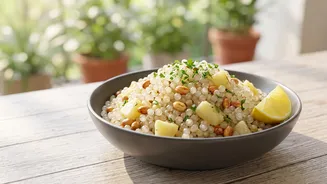
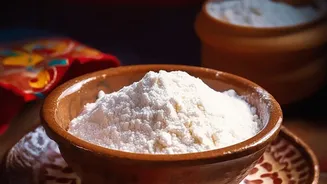
The dietary guidelines for fasting are not merely a list of restrictions. They form a holistic system designed to support a period of physical and spiritual cleansing. By favouring Sattvik foods, the diet aims to create a state of lightness in the body and calmness in the mind. The exclusion of Rajasic foods like onions, garlic, and excessive spice helps to reduce mental agitation and restlessness. Similarly, avoiding Tamasic foods like non-vegetarian items, stale food, and alcohol prevents feelings of lethargy and dullness. The focus is on fresh fruits, certain vegetables, specific pseudo-grains like buckwheat (kuttu) and amaranth (rajgira), and dairy products like milk and yogurt, all of which are easily digestible and provide stable energy.