


Ginger and Garlic Paste
This powerful duo is a cornerstone of Indian cooking for a reason. During the monsoon, their importance is even more pronounced. Both ginger and garlic possess potent anti-inflammatory, antibacterial, and antiviral properties that can help bolster your
immune system against seasonal colds and flu. Preparing a large batch of ginger-garlic paste at the beginning of the week is a simple but effective meal-prep hack. Just blend equal parts of peeled ginger and garlic (with little to no water) and store it in an airtight container in the refrigerator. A tablespoon of oil on top can help preserve its freshness. This ready-to-use paste can be added to almost any dish, from dals and soups to vegetable stir-fries, ensuring you get a daily dose of immunity-boosting goodness without any extra effort.
Turmeric and Black Pepper Mix
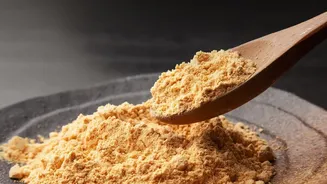
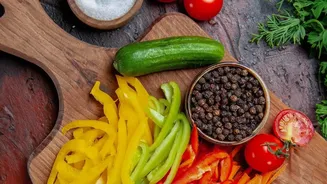
Turmeric, or 'haldi', is celebrated for its active compound, curcumin, which is a powerful antioxidant and anti-inflammatory agent. It's a traditional remedy for strengthening the body's defences. To make this spice even more effective, it should be paired with black pepper. Pepper contains piperine, a compound that significantly enhances the absorption of curcumin in the body. For your meal prep, create a small jar of pre-mixed turmeric and freshly ground black pepper. You can add this blend to your daily cooking, or stir a spoonful into a glass of warm milk ('haldi doodh') for a comforting and healing drink that's perfect for a rainy evening. This simple practice helps fortify your body against infections that are common during this season.
A Selection of Gourds
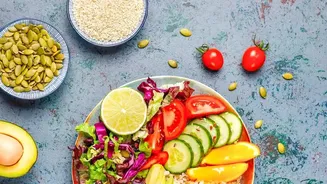
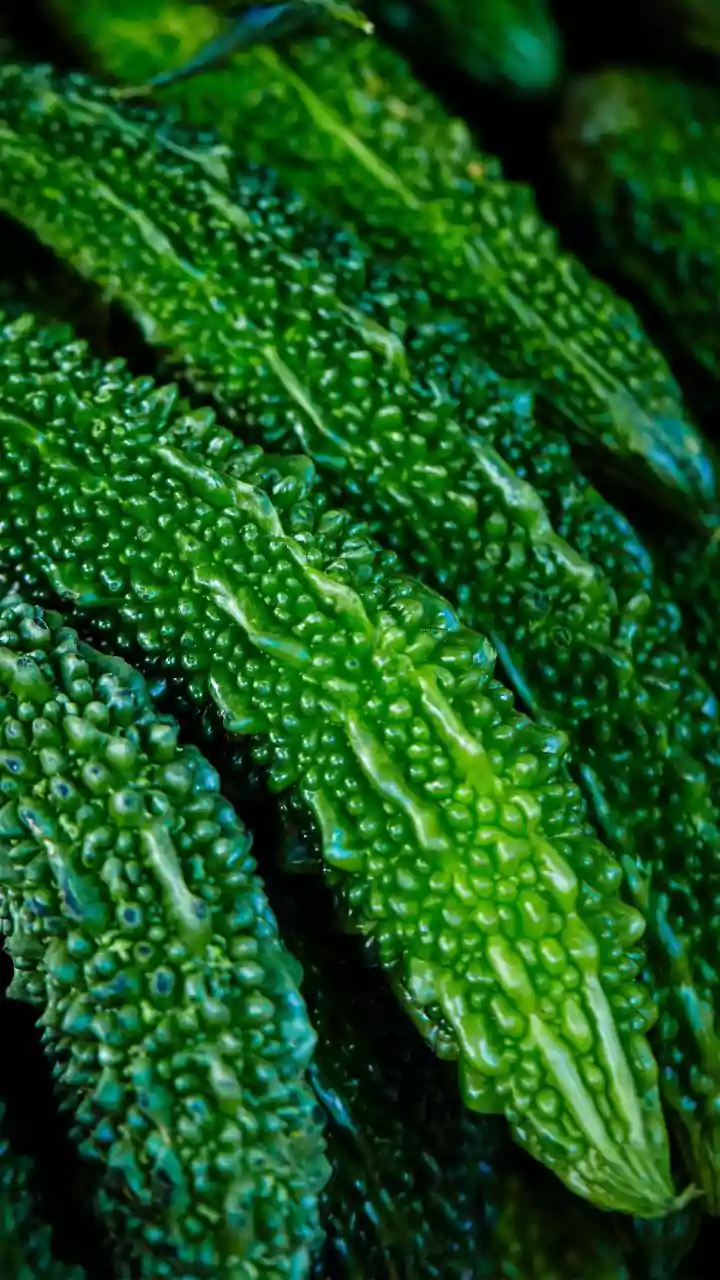
While leafy green vegetables can be risky during the monsoon due to contamination from mud and grime, gourds are a safe and healthy alternative. Vegetables like bottle gourd (lauki), ridge gourd (turai), and bitter gourd (karela) are ideal for this season. They are light, easy to digest, and have high water content, which helps keep you hydrated. Ayurvedic tradition recommends these vegetables to support a digestive system that is naturally weaker during the rainy season. As part of your meal prep, you can wash, peel, and chop these vegetables and store them in airtight containers in the fridge. This makes it incredibly easy to whip up a quick sabzi, add them to a dal, or make a nourishing soup.
Boiled Lentils and Pulses
Comforting, nourishing, and packed with protein, dals are a monsoon essential. Warm, freshly cooked meals are recommended during this season, and a simple dal or khichdi fits the bill perfectly. Moong dal, in particular, is prized for being extremely light and easy on the stomach. To save time during the week, you can pre-soak and boil a large batch of lentils like moong or masoor dal. Once cooled, store them in the freezer in portion-sized containers. When you need a quick meal, you can simply thaw a portion and prepare a fresh tadka. This ensures you have a warm, protein-rich, and easily digestible meal ready in minutes, which is far better than opting for heavier, harder-to-digest foods.
Whole Grains like Barley and Oats
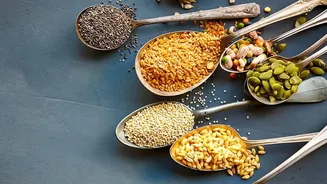
The monsoon often brings cravings for fried and heavy foods, but these can tax your digestive system. A healthier way to feel warm and satisfied is by incorporating whole grains like barley (jau) and oats into your diet. These grains are rich in fibre, which aids digestion and helps you feel full and energetic. For meal prep, you can create a dry mix of multigrain flour by combining your regular wheat flour with barley or oat flour. This can be used to make rotis or parathas. Alternatively, you can make an instant upma or poha premix. A warm bowl of oatmeal porridge for breakfast is another excellent option. These grains provide sustained energy without being heavy on the gut, making them a smart choice for the season.