




Beyond Butter and Flour
For generations, the crust of a pie, tart, or quiche has been a reliable, if often overlooked, vessel. Its job was to be flaky, buttery, and structurally sound, a neutral stage for the starring ingredients within. But a delicious shift is underway. A
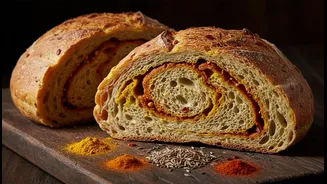
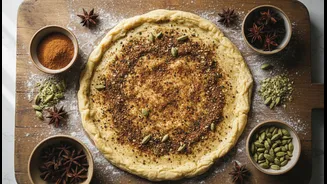
new wave of bakers, inspired by global pantries and a desire for more complex flavours, is transforming the crust from a supporting character into a co-star. They are achieving this by infusing their doughs with traditional spice mixes from around the world, creating a foundation that is aromatic, savoury, and sometimes even spicy. This trend marries age-old ingredients with modern baking techniques, resulting in creations that are both comfortingly familiar and thrillingly new.
The Global Spice Arsenal
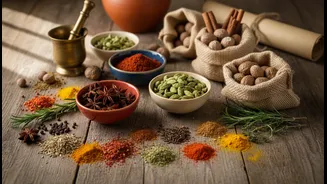
This movement is not about a single spice; it’s about entire flavour philosophies encapsulated in a blend. From the Middle East comes za'atar, a mix of wild thyme, sumac, and toasted sesame seeds that lends an herbaceous, tangy, and nutty crunch. It’s being kneaded into savoury tart crusts for tomatoes and feta, and even appearing on the rim of cheesecake crusts. From India, garam masala, a warming blend of spices like cinnamon, cardamom, cloves, and cumin, is finding its way into apple and pumpkin pie crusts, adding a fragrant depth that complements the sweet fillings. And from Japan, shichimi togarashi, a seven-spice blend with chilli, orange peel, and sesame, offers a spicy, citrusy kick to everything from savoury shortbread to the edges of a pizza crust.
Why Stone-Ground Matters
A key part of this trend is the emphasis on 'stone-ground' spices. This isn't just a marketing buzzword; it's a nod to tradition and quality. Unlike high-speed industrial grinders that generate heat, traditional stone grinding is a slow, cool process. This gentle method is crucial because it preserves the volatile essential oils within the spices—the very compounds responsible for their vibrant aroma and deep, authentic flavour. High-heat grinding can cause these oils to evaporate, resulting in a less fragrant and less potent spice. By choosing stone-ground mixes, bakers are ensuring the flavours they incorporate are as rich and nuanced as possible, delivering an experience that is far superior to that of mass-produced spices.
A Craving for Authenticity and Connection
So, why is this happening now? This trend is a delicious confluence of several cultural currents. Globalisation and the internet have made once-regional ingredients accessible to a worldwide audience. Food-focused social media showcases these beautiful, spice-flecked bakes, inspiring home cooks and professionals alike. There’s also a growing consumer desire for authenticity and bolder flavours. After years of subtle and sweet, palates are ready for something more assertive. By incorporating a spice mix with deep cultural roots, a baker isn't just adding flavour; they are telling a story and connecting their craft to a rich culinary heritage, whether it's a Lebanese manakish topped with za'atar or an Indian paratha. This infusion of global traditions into Western-style baking creates a new kind of comfort food—one that feels both personal and worldly.
Unexpected, Perfect Pairings
The beauty of this trend lies in its versatility and the delightful surprise of its pairings. A pie crust with a hint of garam masala elevates a standard apple pie into an autumnal masterpiece. A savoury galette crust with za’atar makes roasted vegetables sing. Some bakers are using shichimi togarashi in the dough for cheesy breadsticks, creating a spicy, umami-rich snack. The key is balance. The goal is not to overpower the filling but to create a harmonious dialogue between the crust and what it contains. It encourages a more thoughtful approach to baking, where every element of the dish is considered for its flavour potential. A pinch of spice in the dough can be the difference between a good bake and an unforgettable one.