



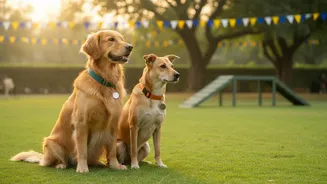

A New Hub for the Pet-Parent Community
For pet owners, the carnival was a welcome opportunity to step out of their homes and into a community that understands their lifestyle. Events like these provide a rare platform for pets to socialize in a safe, open environment, which is crucial for their behaviour
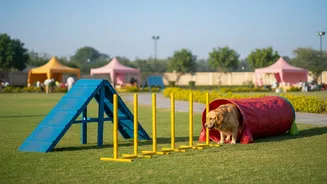
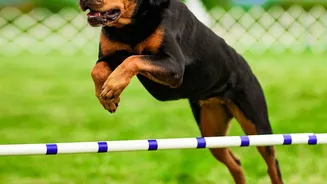
and well-being. Beyond the play zones and agility courses, the event connected attendees with essential services, including veterinary check-ups, grooming experts, and nutritionists. It fostered a sense of community, allowing parents to exchange tips and stories, strengthening the support network for responsible pet ownership in a country where the pet population has surged to over 42 million. Many also found opportunities to learn from experts through masterclasses on training, health, and grooming. The inclusion of adoption drives by local NGOs also highlighted the importance of providing homes for stray animals, a significant issue in Indian cities.
Reflecting a Deeper Social Shift
The enthusiasm for such carnivals points to a significant cultural change. In urban India, particularly among millennials and Gen Z, pets are increasingly seen as integral family members, not just animals. This shift from pet ownership to "pet parenthood" has fueled a multi-billion dollar pet care industry encompassing everything from premium food to specialized healthcare and accessories. The COVID-19 pandemic accelerated this trend, with a noticeable rise in pet adoptions as people sought companionship during lockdowns. Consequently, the demand for pet-friendly spaces, services, and experiences has grown exponentially. A large-scale public event dedicated to pets is a powerful acknowledgment of this new social reality, legitimizing the needs and aspirations of a rapidly growing demographic of urban residents.
A Wake-Up Call for City Planners
While pet owners celebrated, the carnival served as a live demonstration for city planners on the urgent need for more pet-inclusive urban infrastructure. Indian cities, including Jaipur, have traditionally offered limited amenities for companion animals. The lack of designated dog parks, safe walking trails, and adequate waste disposal systems creates daily challenges for pet owners and can lead to friction within residential communities. The success of the carnival underscores a clear public demand for these facilities. Urban planners can view this as a data point, proving that investments in pet-friendly infrastructure are not a niche demand but a necessary component of modern, inclusive city living. This includes everything from developing more green spaces to integrating pet-friendly policies into housing regulations.
Jaipur's Path to a Pet-Friendly Future
The carnival aligns with recent policy moves by Jaipur's municipal authorities, indicating a growing awareness of these issues. The Jaipur Municipal Corporation recently made pet registration for dogs and cats mandatory, aiming to create a comprehensive database for better health monitoring and rabies control. The mega licensing camp, which provided on-the-spot registrations and free anti-rabies shots, was a strategic step to encourage compliance and responsible ownership. These initiatives, combined with the community engagement seen at the carnival, create a blueprint for the future. For Jaipur, the next steps could involve public-private partnerships to develop dedicated dog parks, stricter enforcement of rules for breeders, and awareness campaigns on animal welfare. By listening to the needs demonstrated at events like the pet carnival, Jaipur has the opportunity to position itself as a model for other Indian cities grappling with the rise of pet ownership.