







From Planting to Thriving
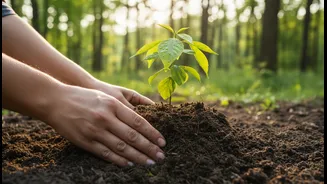
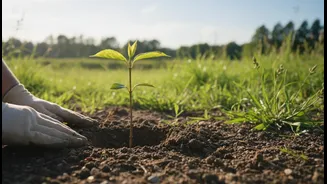
The enthusiasm during Harela's plantation drives is inspiring, with government bodies and communities planting lakhs of saplings. However, the real work begins after the photo opportunities end. Across India, data shows that without proper follow-up,
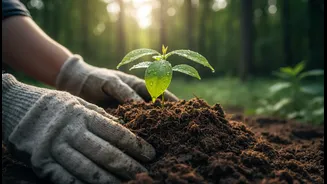
the survival rate of saplings in mass drives can be worryingly low, sometimes falling below 50 percent. The primary causes are a lack of watering during dry spells, damage from grazing animals, and poor post-plantation care. Turning a symbolic gesture into a lasting green legacy requires a shift in focus from the act of planting to the commitment of nurturing. Community-led monitoring is the most effective way to bridge this gap, with some studies showing it can boost survival rates significantly.
Partner with Local Schools
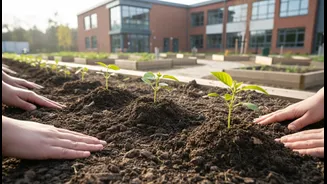
Schools are powerful hubs for long-term environmental action. Engaging students transforms sapling aftercare from a chore into a hands-on learning experience. Approach the principal or a science teacher with a structured plan. Propose the formation of a 'Sapling Guardian Club' or integrating the monitoring into an existing Eco Club. Students can be assigned to specific trees planted on or near the school grounds. They can learn to measure growth, check for pests, and understand the water needs of different species. This initiative can be built into their science curriculum, teaching them data collection, observation, and analysis. Such involvement doesn't just protect trees; it cultivates a generation of environmentally responsible citizens who feel a sense of ownership and pride in their local green spaces.
Mobilise Your Neighbourhood
The responsibility for nurturing these new saplings lies with the entire community. One of the simplest ways to start is by creating a 'Tree Guardians' group on a platform like WhatsApp. Use the group to map out the saplings planted in your locality and coordinate care schedules. You can initiate a tree adoption programme where individual families or houses take responsibility for one or two saplings near them. This fosters a sense of personal connection and ensures each tree gets individual attention. Simple tasks like watering during the hot months, weeding around the base, and protecting the sapling with a simple guard can make all the difference. Involving elders can also be invaluable, as their traditional knowledge about local plant species and seasons is often immense.
Use Simple, Low-Cost Technology
Monitoring doesn't have to be a complex, high-tech affair. Your smartphone is one of the most powerful tools you have. Use free mapping applications to geotag the location of each sapling. This creates a digital map that helps track every tree and prevents any from being forgotten. Create a shared photo album online where community members can upload monthly pictures of their adopted sapling. This visual log is not only encouraging to see but also helps quickly identify any tree that is struggling. Some communities have even started using QR codes on tree guards. A quick scan can reveal the species of the tree, the date it was planted, and the name of its 'guardian,' turning a simple walk through the neighbourhood into an interactive and educational experience.
Collaborate with Local Authorities
While community action is vital, collaboration with official bodies can amplify your efforts. The Forest Department and local municipalities are key stakeholders in the Harela drive. Keep them informed about your community's monitoring initiatives. You can share your geotagged map and progress reports, demonstrating proactive citizen involvement. These departments can often provide crucial support. They can offer technical advice on sapling care, help in arranging resources like water tankers during particularly dry periods, or provide better quality tree guards. By working together, you create a powerful partnership that ensures the government's plantation goals are successfully met on the ground, leading to a greener, more resilient environment for everyone.