


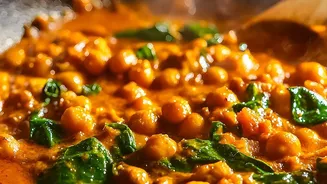

Your Secret Weapon: The Base Gravy
The foundation of many North Indian dishes is a flavourful onion-tomato gravy. Preparing a large batch of this base over the weekend can save you immense time on busy weekdays. Simply sauté finely chopped onions until well-caramelised, add ginger-garlic
paste, and then cook down tomato puree until the oil separates. Cool this mixture completely before storing it in an airtight container in the refrigerator. Throughout the week, you can use this versatile base to quickly whip up everything from paneer butter masala and aloo matar to chana masala or a simple egg curry. This single prep step cuts down daily cooking time significantly.
Dry Sabzis That Stay Fresh
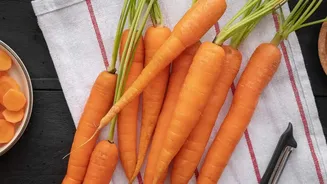
Not all vegetables are created equal when it comes to refrigeration. For meal prep, focus on sturdy vegetables that hold their texture well. Think potatoes, carrots, beans, cauliflower, and bottle gourd (lauki). A simple stir-fry or a semi-dry sabzi made with these vegetables can last for a couple of days in the fridge. It's best to avoid leafy greens like spinach or fenugreek (methi) for batch cooking, as they tend to become soggy and lose their freshness quickly. Also, avoid adding ingredients like fresh coconut to dishes you plan to store for more than a day, as it can spoil faster in the humid climate.
The Protein Powerhouse: Dals and Legumes
Dals and legumes are perfect for meal prepping. You can boil a large batch of lentils like toor dal or moong dal, or legumes like chickpeas and kidney beans. Store the plain boiled dal in the fridge, and when you're ready to eat, just prepare a fresh tadka (tempering) of ghee, cumin seeds, and spices. This ensures the flavour is fresh and vibrant. For chickpeas or kidney beans, having them pre-boiled makes it incredibly easy to toss them into a salad or use your base gravy to make a quick curry. Cooked dal and legumes should be refrigerated within an hour of cooking and consumed within 24-36 hours for best results.
Quick Chutneys for Instant Snacks
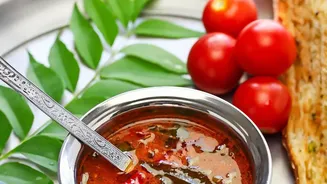
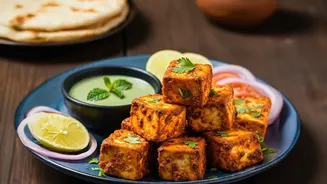
Monsoon evenings and snacks go hand-in-hand. Instead of reaching for unhealthy options, have some homemade chutneys ready. A classic mint-coriander chutney or a sweet-and-sour tamarind chutney can be prepared in a batch and stored in the fridge. These can instantly elevate a simple meal or be served with hot pakoras, samosas, or even as a spread for sandwiches. To prolong the life of your green chutney, you can freeze it in an ice cube tray and just pop out a cube whenever you need it. This prevents browning and keeps the flavour locked in.
Smart Prep for Grains and Dough
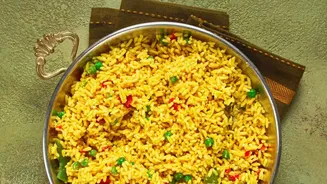
While leftover rice needs careful handling, especially during the monsoon, some grain prep is possible. You can prepare dough for rotis or theplas and refrigerate it for a day or two in an airtight container. This makes rolling out fresh, hot rotis a much faster process. For something different, you can boil pasta or prepare a base for upma by roasting the semolina (sooji) and keeping it ready. Any cooked grains like rice should be cooled and refrigerated promptly in a sealed container and consumed within a day.
Essential Monsoon Storage Tips
Food safety is paramount during the monsoon due to high humidity. Always use clean, dry, airtight containers for storage. Never leave food out at room temperature for extended periods. Allow cooked food to cool down completely before placing it in the refrigerator to prevent condensation, which encourages bacterial growth. Be extra careful with dairy products like paneer and milk-based curries, as they tend to spoil faster. Finally, make sure to wash all vegetables and fruits thoroughly, perhaps in salt water, and dry them completely before storing or cooking.