






The Low-Cost Carrier Business Model
Budget airlines like IndiGo, SpiceJet, and Air India Express have revolutionised air travel in India, making it more accessible than ever. But their business model relies on 'unbundling' services. The low ticket price often covers just your seat, while
everything else, from seat selection to in-flight meals and, crucially, baggage, comes at an extra cost. Carry-on baggage is a significant source of revenue. While full-service carriers might be more lenient, low-cost airlines are famously strict about carry-on dimensions and weight. For most domestic Indian carriers, the cabin baggage limit is a firm 7kg. This isn't just a guideline; it's a rule enforced at check-in counters and sometimes even at the boarding gate. Exceeding it often results in hefty per-kilogram charges that can sometimes rival the cost of the ticket itself.
The Multi-Airline Itinerary Trap
Booking a trip that involves flights on more than one airline can unlock great deals and convenient routes, but it also creates a significant baggage pitfall. The golden rule for multi-airline journeys is simple but often overlooked: you are bound by the most restrictive baggage policy of all the airlines on your itinerary. For instance, you might start your journey on a full-service international carrier with a generous 10kg carry-on allowance. However, if your connecting flight is on a smaller regional or budget airline with a 7kg limit, that 7kg limit applies to your entire journey from the moment you first check in. This applies to both the weight and dimensions of your bag. If one airline uses a smaller sizer cage, your bag must fit that smaller size, even if it was acceptable on the first leg of your trip. Ignoring this can lead to a costly surprise when you're forced to check your bag at the connecting airport.
Size vs. Weight: A Two-Part Challenge
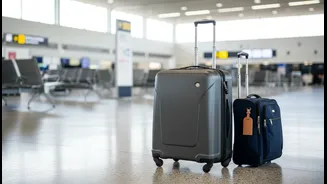
Airlines check two things: the physical dimensions (length, width, height) and the total weight of your carry-on. A bag that fits perfectly into the overhead bin can still be rejected if it's too heavy. In India, the standard carry-on weight allowance is typically 7kg. IndiGo allows one cabin bag up to 7kg and a personal item like a small laptop bag up to 3kg. SpiceJet and Air India Express also limit the main cabin bag to 7kg. The dimensions also matter. While there are common sizes, like 55cm x 35cm x 25cm, they can vary slightly, especially on smaller aircraft like SpiceJet's Q400 fleet which has a smaller limit. Always check the specific rules for the exact aircraft you'll be flying on, as a difference of a few centimetres can matter.
Your Pre-Flight Prevention Plan
A few minutes of preparation can save you from stress and unexpected expenses. First, check the official website of every single airline on your itinerary—not just the one you booked through. Note down the carry-on size and weight limits for each flight. Second, invest in a small digital luggage scale and a measuring tape. Before you leave for the airport, weigh and measure your packed carry-on bag, including its wheels and handles in the measurement. Third, pack smart. Place heavier items like books or electronics in your personal item if the airline allows a separate, smaller bag that fits under the seat. Wear your heaviest clothing items, like a jacket or boots, on the plane. Finally, if you know you'll be over the limit, it is almost always cheaper to pre-purchase extra baggage allowance online than to pay the penalty at the airport.
When a Compliant Bag Still Gets Checked
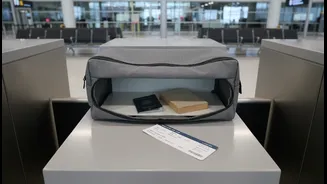
Even if you follow all the rules, there's one more scenario to be aware of: full flights. On crowded flights, overhead bin space is the first thing to run out. When this happens, airlines may begin forcing passengers to gate-check their carry-on bags, even if they are perfectly compliant with size and weight rules. While this is usually free of charge, it means you'll be separated from your bag until you land. To prepare for this possibility, always keep your most important items in a small personal item that can fit under the seat in front of you. This includes your passport, wallet, phone, medications, keys, and any fragile electronics like a laptop or camera. This ensures your essentials stay with you in the cabin, no matter what.