


Why Late Summer is Ladakh's Secret Season
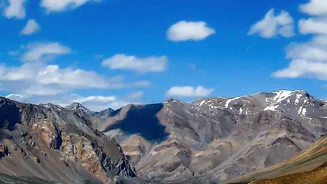
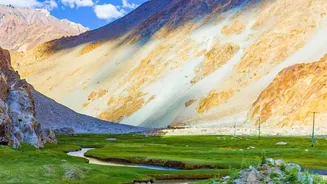
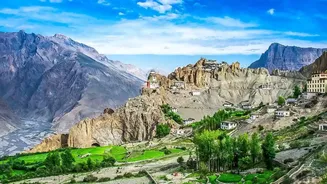
While June and July are popular, the period from late August to September is often considered a sweet spot for travel in Ladakh. The monsoon has largely passed, leaving the air clear and the dust settled. This results in incredibly sharp, vivid landscapes
perfect for photography. The tourist rush thins out, offering a more serene experience at popular spots. Days are pleasantly warm, though nights begin to carry the crisp chill of the approaching autumn, reminding you that you are deep in the Himalayas. The roads, having been open for a few months, are generally in their most stable condition.
The Iconic Pangong Tso
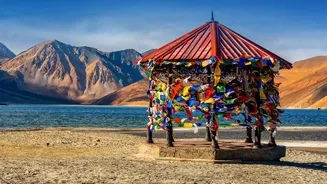
No trip to Ladakh is complete without witnessing the breathtaking spectacle of Pangong Tso. This high-altitude saltwater lake, stretching across the India-Tibet border, is famous for its ever-changing shades of blue. In late summer, the crowds are more manageable, allowing for peaceful moments by its shore. The angle of the sun during this season often creates a stunning palette of colours, from turquoise to deep azure. The weather is generally pleasant during the day, but temperatures can drop significantly at night, so layered clothing is essential. Remember that an Inner Line Permit (ILP) is required to visit, which can be arranged in Leh.
The Serene Tso Moriri
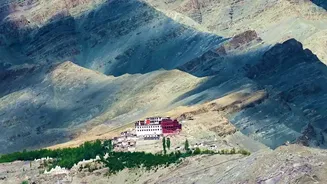
For those seeking a more remote and tranquil experience, Tso Moriri is the answer. Located in the Changthang region, this lake is the largest high-altitude lake entirely within India. Designated as a wetland reserve, its pristine ecosystem is a haven for wildlife, including migratory birds like the bar-headed geese and the rare black-necked crane. The journey to Tso Moriri is an adventure in itself, but the reward is an untouched landscape of profound beauty. In late summer, the weather is ideal for exploring the area and visiting the ancient Korzok Monastery, which overlooks the lake. Like Pangong, an overnight stay is recommended to truly appreciate the changing light and stillness.
The Gateway to Nubra: Khardung La
Once touted as the world's highest motorable pass, Khardung La is a must-cross for any adventurer heading to the Nubra Valley. Standing at an elevation of over 17,500 feet, the pass offers raw, windswept views of the surrounding ranges. The late summer months of August and September are among the best times to traverse it, as the road is generally clear of snow and conditions are relatively stable. However, the weather can change in an instant, and even in summer, you can expect cold temperatures at the summit. Due to the extreme altitude, it's crucial to be well-acclimatized in Leh for at least 48 hours before attempting the journey and to limit your time at the top to 15-20 minutes to avoid altitude sickness.
The Mighty Chang La
The primary gateway to Pangong Tso, Chang La is another formidable high-altitude pass on the Ladakh circuit. At approximately 17,586 feet, it presents a thrilling and challenging drive. The pass is known for its steep ascent and stunning, stark scenery. By late summer, the route is reliably open and in good condition, although travellers should always be prepared for sudden weather changes and fierce winds. A valid permit is checked at military posts along the way. As with Khardung La, spending more than 15-20 minutes at the summit is not advised due to the thin air and risk of acute mountain sickness (AMS).
Essential Travel Tips for a Late Summer Trip
Acclimatization is non-negotiable. Spend at least two full days in Leh to allow your body to adjust to the high altitude before ascending to passes or lakes. Pack in layers: include thermals, fleece jackets, and a windproof outer layer, as temperatures vary dramatically between day and night. Sun protection, including strong sunscreen, sunglasses, and a hat, is crucial due to the intense UV rays at high altitude. Lastly, always check the latest travel advisories before you depart. While late summer is generally stable, mountain weather is unpredictable, and recent heavy rainfall prompted temporary advisories in late July 2026.