



A Growing Desire for Disconnection
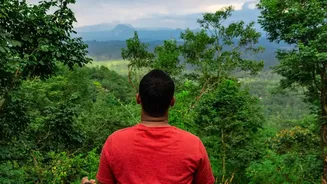
Across India, a clear trend is emerging: the search for genuine peace and quiet is reshaping travel preferences. The demand for wellness tourism is surging, but it's not about five-star spas and luxury treatments anymore. Instead, travellers are seeking
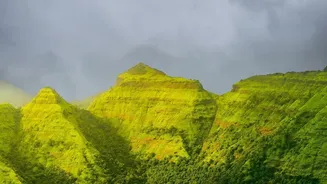
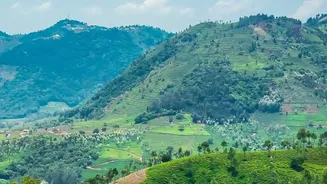
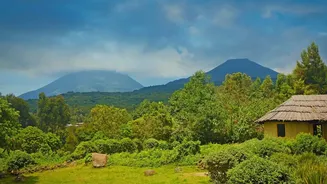
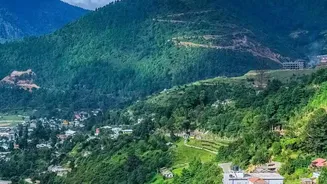
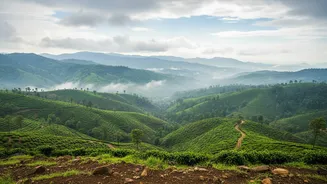
authentic experiences that promote mental and emotional wellbeing. This shift explains the growing popularity of destinations like Araku Valley, a picturesque hill station in the Eastern Ghats. Once considered a remote area, recent improvements in infrastructure and a growing appreciation for eco-tourism have put it on the map for those looking to escape urban burnout. Homestay operators and local tourism bodies report a noticeable increase in bookings from city dwellers, particularly from nearby hubs like Visakhapatnam and Hyderabad, who are specifically seeking a break from their hyper-connected lives.
The Allure of Plantation Wellness
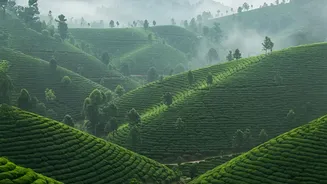
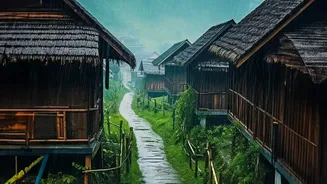
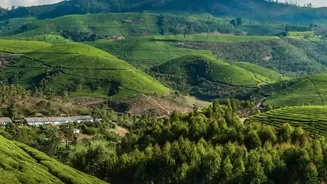
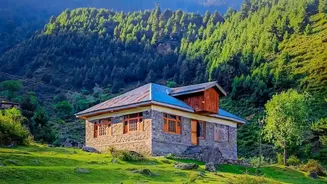
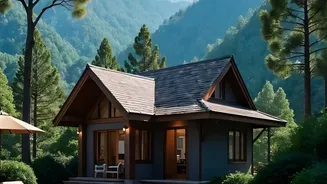
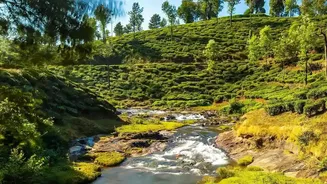
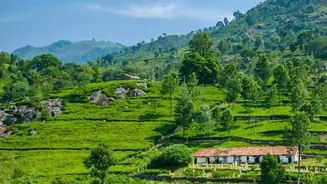
What makes Araku's homestays so appealing is the concept of 'plantation wellness'. This isn't a formal program but an immersive experience. The valley is famous for its shade-grown coffee, cultivated by local tribal cooperatives in a method that integrates the plants into the natural forest. Staying on one of these plantations means waking up to the fresh aroma of coffee blossoms and the sounds of nature, not traffic. The wellness aspect comes from the simplicity and slowness of life. It’s about digital detoxing, enjoying farm-to-table meals with organic ingredients, and engaging in activities that ground you in the present moment. Many homestays are built with local materials, prioritizing sustainability and a harmonious blend with the environment, which adds to the feeling of a responsible and restorative getaway.
A Day in the Green Heart of Araku
A typical day at a plantation homestay is deliberately unhurried. Mornings might begin with a guided walk through the coffee estates, where you can learn about the journey from bean to cup directly from the farmers who have managed these lands for generations. The air is cool and fragrant, with the coffee bushes growing under a canopy of jackfruit and silver oak trees. Afternoons are for quiet reflection—reading a book on a verandah with panoramic valley views, taking a nap, or perhaps trying a coffee brewing session. Evenings often involve simple, delicious meals made from locally sourced produce, followed by a bonfire under a clear, star-filled sky. This return to basics is the core of the experience, offering a powerful antidote to the sensory overload of urban living.
Beyond the Plantation Trails
While the plantations are the main draw, the region offers more to enrich a wellness-focused trip. The famous Borra Caves, million-year-old limestone formations, are a must-visit, offering a sense of geological wonder. Several waterfalls, like Katiki and Chaparai, provide opportunities for scenic treks and refreshing dips. A visit to the Araku Tribal Museum offers insight into the rich cultural heritage of the indigenous communities who are the stewards of this land and its unique coffee. Some homestays can even facilitate interactions with the local community, where you might witness a traditional Dhimsa dance performance. These experiences add layers to the journey, ensuring it nourishes the mind and spirit as much as it relaxes the body.
How to Plan Your Wellness Escape
Given the rising interest, planning ahead is key. When choosing a homestay, consider what kind of experience you want. Some are nestled deep within coffee estates, offering maximum seclusion, while others are closer to the main town of Araku. Many are now run by local tribal families, offering an authentic cultural immersion. Look for stays that emphasize their connection to nature, whether through organic farming, guided treks, or eco-friendly practices. Because many of these are small, intimate properties, booking well in advance is highly recommended, especially during the peak tourist seasons from October to January and April to May. The journey itself, particularly the scenic train ride from Visakhapatnam through dozens of tunnels and bridges, is an integral part of unwinding and settling into the slower pace of valley life.