



The Science of a Starry Night
To appreciate why winter is the best season for stargazing, it helps to understand what gets in the way of a perfect view. The biggest obstacle, besides clouds and city lights, is the atmosphere itself. Think of it as a thick blanket of air between you
and the stars. This blanket is full of tiny particles, including dust, pollutants, and, most importantly, water vapour. Starlight has to travel through this turbulent, hazy layer to reach your eyes. The more 'stuff' in the atmosphere, the more the light gets scattered and absorbed, making stars appear dimmer and less distinct. This quality of the sky's clearness is what astronomers call 'transparency'.
How Humidity Dulls the Sparkle
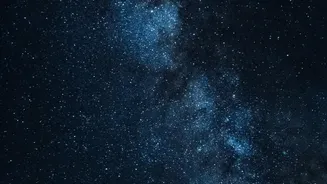
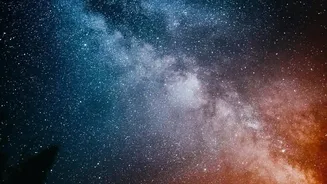
Water vapour is the chief culprit when it comes to poor transparency. On a humid night, the air is saturated with microscopic water droplets. Even when the sky looks clear to the naked eye, this moisture creates a fine haze that scatters light from stars, as well as any ambient light from the ground. This scattering effect reduces the contrast between the stars and the background sky. As a result, fainter stars disappear completely, and the beautiful, delicate structures of the Milky Way galaxy can be entirely washed out. It’s like trying to look through a slightly fogged-up window; everything on the other side appears fainter and fuzzier.
Winter’s Crystal-Clear Advantage
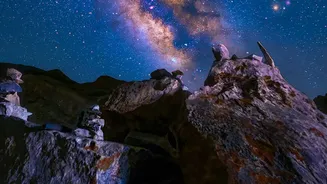
This brings us to winter’s secret weapon: cold air. It's a fundamental principle of physics that cold air cannot hold as much moisture as warm air. As temperatures drop during the winter months, the atmosphere’s ability to retain water vapour plummets. This results in significantly lower absolute humidity. The air becomes drier and less dense, meaning there are far fewer water particles to scatter starlight. This dry, crisp air is incredibly transparent, allowing starlight to travel to your eyes with minimal interference. The outcome is a breathtakingly clear view, where stars appear as sharp, brilliant points of light, and the cosmic dust lanes of the Milky Way are visible in stunning detail.
The Magic of Dark-Sky Reserves
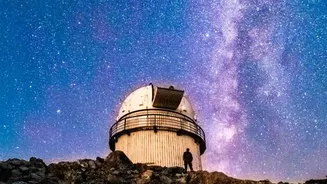
Combining winter's dry air with a truly dark location creates the ultimate stargazing experience. This is where Dark-Sky Reserves come in. These are areas, recognized by international bodies, that are specifically protected for their exceptional quality of starry nights. They are vast tracts of public or private land with strict regulations on light pollution, ensuring the nocturnal environment remains as pristine as possible. For India, the ultimate destination is the Hanle Dark Sky Reserve in Ladakh, the country’s first officially designated reserve. Nestled high in the Himalayas, its combination of high altitude, minimal light pollution, and bone-dry winter air makes it one of the best places on Earth to witness the cosmos.
Where to Go in India This Winter
While Hanle is the crown jewel, you don't have to travel to the edge of the country for a great celestial show. Other high-altitude locations in Ladakh, like Nubra Valley and Pangong Tso, also offer phenomenal, transparent skies during the colder months. Parts of Himachal Pradesh and Uttarakhand, away from the main tourist towns, can provide spectacular views as well. The key is to get away from city light domes and find a spot with a clear, open horizon. Even heading to a rural area in the plains can yield a much better view than you'd get from a city, especially on a moonless winter night.
Tips for Your Winter Stargazing Trip
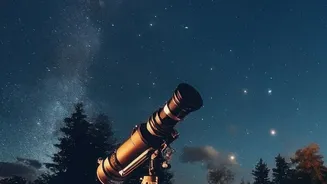
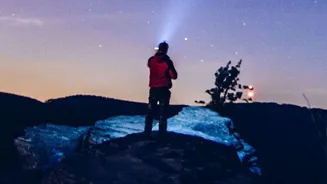
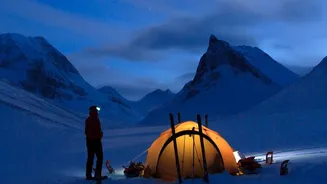
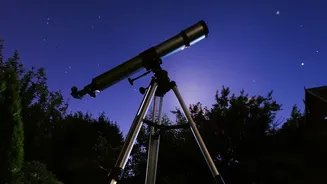
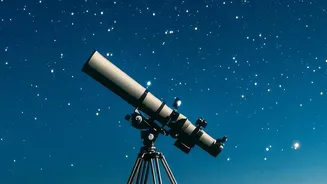
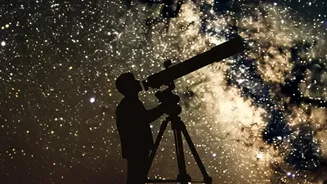
The reward for braving the cold is immense, but preparation is essential. Dress in multiple layers, as you'll be standing still for long periods. Think thermal underwear, a fleece mid-layer, and a windproof outer jacket. Insulated boots, wool socks, gloves, and a warm hat are non-negotiable to prevent heat loss. Consider bringing chemical hand warmers for your pockets and boots. Arrive at your spot before sunset to set up any equipment, like binoculars or a telescope, while it's still relatively warm. Finally, allow your eyes at least 20 minutes to fully adapt to the darkness to see the faintest stars. Using a red-light torch will help preserve your night vision.