




Why Damp Balconies Are a Problem
During the monsoon season or in humid climates, balconies often stay damp for extended periods. This environment, combined with reduced sunlight, creates the perfect breeding ground for fungal diseases. You might notice a white, powdery coating on leaves
(powdery mildew) or dark spots (black spot), both of which can weaken and eventually kill a plant. This persistent moisture also attracts pests like aphids, spider mites, and whiteflies, which thrive in high-humidity conditions. They feed on plant sap, causing leaves to yellow, curl, and drop. Without intervention, a beautiful green space can quickly turn into a struggling plant hospital.
Neem Oil: Nature’s Plant Protector
Derived from the seeds of the neem tree (Azadirachta indica), a plant revered in India for centuries, neem oil is a gardener's best friend. Its power lies in its active compounds, most notably Azadirachtin. This compound works in multiple ways: it acts as an antifeedant, discouraging pests from eating the leaves; it's an insect growth regulator, disrupting the life cycle of pests and preventing them from maturing and reproducing; and it serves as a fungicide, preventing the germination and spread of fungal spores. Unlike synthetic chemical pesticides, neem oil is biodegradable and non-toxic to birds, bees (when applied correctly), and mammals, making it a safe choice for home and balcony gardens.
Choosing the Right Product
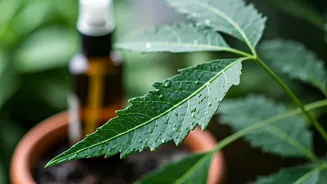
When you shop for neem oil, you will likely see two main types: 100% cold-pressed neem oil and clarified hydrophobic extract of neem oil. For the most effective pest and fungus control, always choose 100% cold-pressed neem oil. This version is less processed and retains a higher concentration of Azadirachtin and other beneficial compounds. It will be thicker, darker in colour (from golden yellow to dark brown), and have a strong, garlic-like smell. Clarified extracts are often lighter and have less odour, but they are primarily used for their fungicidal properties and are less effective against insects.
Your Simple Neem Oil Spray Recipe
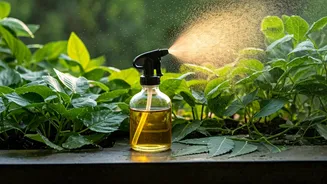
Mixing your own neem oil spray is simple and cost-effective. Oil and water don't mix, so you need an emulsifier to create a stable solution. A mild liquid soap is perfect for this. Here’s a standard recipe: 1. **Gather your ingredients:** You'll need 1 litre of warm water, 1 teaspoon (5ml) of 100% cold-pressed neem oil, and ½ teaspoon (2-3ml) of a mild liquid soap (like a gentle dish soap or castile soap, avoid detergents). 2. **Mix the emulsifier:** In a small cup, first mix the neem oil with the liquid soap. Stir it well until it forms a milky paste. This step is crucial for ensuring the oil disperses evenly in the water. 3. **Combine with water:** Pour this soap-oil mixture into your 1-litre spray bottle filled with warm water. The warmth helps the oil mix more easily. Shake the bottle vigorously to combine everything. Your spray is now ready to use. Remember to use the mixture within a few hours, as it can lose its effectiveness over time.
Application Best Practices
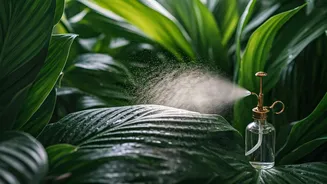
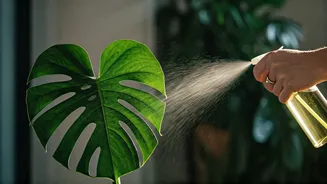
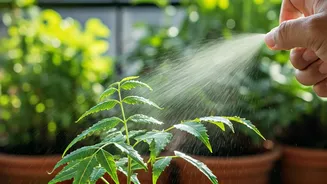
How you apply the neem oil spray is just as important as how you mix it. To avoid harming your plants, follow these guidelines. First, always spray in the early morning or late evening. Applying neem oil in direct, hot sun can cause the leaves to burn. Before spraying the entire plant, do a 'patch test' on a single leaf and wait 24-48 hours to ensure there is no adverse reaction. When you are ready to spray, shake the bottle frequently to keep the solution mixed. Be thorough, ensuring you cover all surfaces of the plant—the tops and undersides of the leaves, the stems, and the point where leaves join the stem. This is where pests love to hide. For prevention, a light spray every 10-14 days is sufficient. To treat an existing infestation, apply every 5-7 days until the problem is resolved.