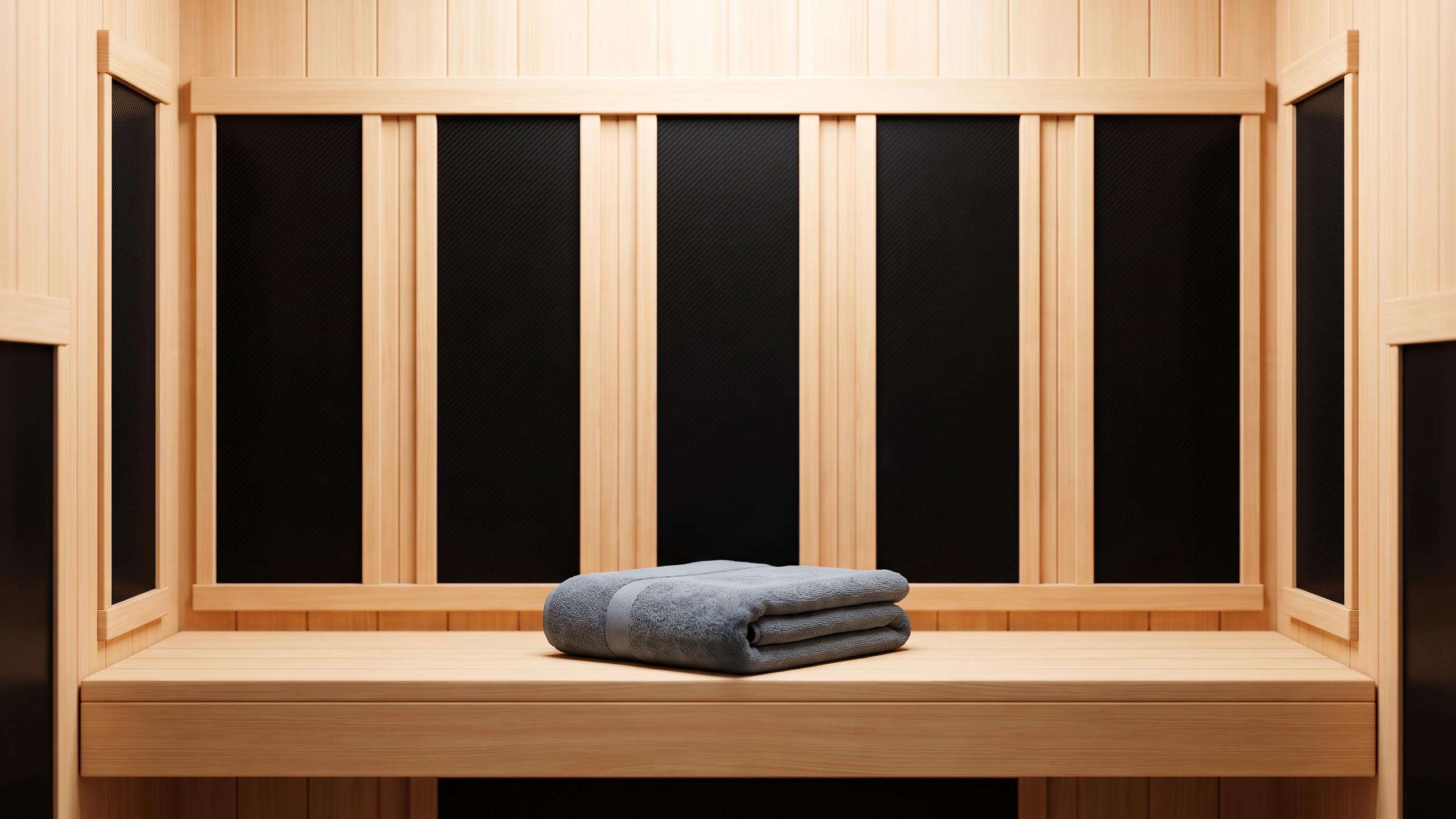









Heating from the Inside Out
First, it’s important to understand that infrared saunas work differently than traditional steam or hot rock saunas. A traditional sauna heats the air around you to very high temperatures, which in turn heats your body. An infrared sauna uses light to heat your body directly,
without dramatically heating the air. It uses far-infrared wavelengths of light that can penetrate up to two inches beneath the skin's surface, warming muscles and tissues from the inside out. This allows for a more targeted therapeutic effect at lower, more comfortable ambient temperatures, typically between 49°C and 65°C, compared to the 65°C to 90°C of traditional saunas.
The Muscle Recovery Connection
For anyone dealing with post-workout soreness, the primary benefit of infrared heat lies in its ability to boost circulation. The deep-penetrating heat causes blood vessels to widen, a process called vasodilation. This increased blood flow acts like a delivery service, rushing oxygen-rich blood and essential nutrients to tired or damaged muscles. At the same time, it helps flush out metabolic waste products that accumulate during exercise and contribute to soreness and fatigue. Some studies have shown that regular infrared sauna use can reduce delayed onset muscle soreness (DOMS), helping athletes and fitness enthusiasts recover faster between training sessions.
Activating a Cellular Repair Crew
The benefits go even deeper, right down to the cellular level. Exposure to heat stress from a sauna session activates something called heat shock proteins (HSPs). These are specialized proteins that help protect your cells from damage and support their repair and regeneration. Think of them as a cellular clean-up and repair crew that gets to work when your body is under stress. This process is believed to support long-term muscle health and adaptation to exercise. Furthermore, some research suggests that infrared light stimulates mitochondrial activity, enhancing the production of ATP, which is the essential energy molecule that powers muscle work and repair.
Calming the Body’s Stress Response
The feeling of relaxation you get in a sauna isn't just in your head; it's a physiological response. The gentle, radiant heat helps trigger the parasympathetic nervous system—often called the "rest and digest" system. This shifts your body out of the high-alert, "fight-or-flight" mode associated with daily stress. Research has shown that regular sauna use can lead to a decrease in cortisol, the body's primary stress hormone. Chronically high cortisol levels are linked to anxiety, poor sleep, and a host of other health issues. By helping to balance cortisol levels, infrared sauna sessions can promote a sense of calm that lasts beyond the session itself.
Safety and Considerations
While infrared saunas are generally safe for most healthy adults, they are not for everyone. The heat places demands on the cardiovascular system, so individuals with heart conditions, uncontrolled blood pressure, or a recent history of stroke should consult their doctor first. It's absolutely critical to stay hydrated by drinking water before, during, and after your session to avoid dehydration. Pregnant women and individuals with certain medical conditions like multiple sclerosis or those taking specific medications (especially transdermal patches) should avoid sauna use or seek medical clearance. Always start with shorter sessions at a lower temperature and listen to your body, exiting immediately if you feel dizzy or unwell.