





The Science of Slow, Gentle Heat
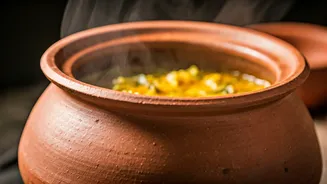
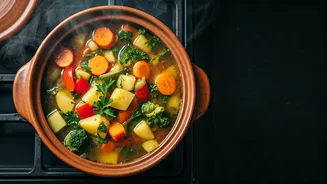
Unlike metal pans that heat up quickly and can create aggressive hot spots, earthen pots are masters of slow, even cooking. [15] Made from natural clay, these pots are porous. [11, 2] This porosity allows heat and moisture to circulate gently and evenly
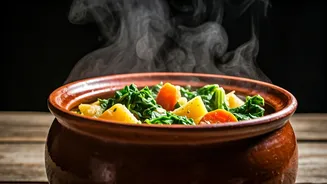
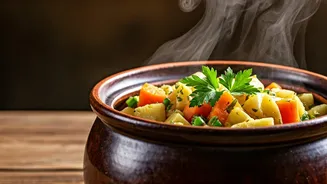
throughout the pot, creating a cooking environment that is more like a sauna than a furnace. [11, 25] This gentle heat is perfect for stews, as it allows vegetables to soften without turning to mush and spices to release their aromatic oils gradually, building layers of complex flavour instead of burning. [15, 5] The slow-cooking process ensures that tough root vegetables and delicate greens are all cooked to tender perfection.
An Earthy Flavour and Better Balance
One of the most praised benefits of clay pot cooking is the unique, subtle earthy flavour it imparts. [5, 12] This isn't just nostalgia; it's chemistry. Clay is naturally alkaline, and this property helps to neutralize the acidity in foods like tomatoes. [4, 6, 11] This balancing act can result in a stew that tastes naturally sweeter and less sharp, allowing the inherent flavours of the vegetables to shine through. [11, 25] Furthermore, because clay is a non-reactive material, it doesn't impart any metallic taste, ensuring the flavour of your stew remains pure and unadulterated. [10, 17]
Locking in Aroma and Nutrients
The porous nature of clay pots, combined with a well-fitting lid, creates a sealed environment where steam circulates continuously. [1] This process is key to keeping the stew moist and succulent, braising the vegetables in their own juices. [22] This self-basting effect means you need less oil and water, resulting in a healthier dish with more concentrated flavours. [1, 18] Crucially, this method also helps to retain water-soluble nutrients that are often lost in other cooking methods where steam is allowed to escape. [8, 14] The result is a stew that is not only richer in taste and aroma but also packed with more of its original vitamins and minerals. [13, 27]
A Connection to Culinary Heritage
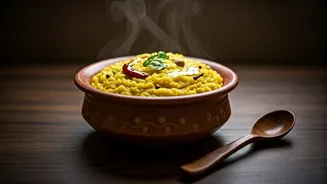
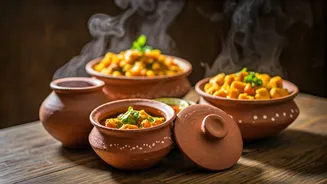
Using earthen pots connects us to a culinary tradition that spans thousands of years, with evidence of their use dating back to ancient civilizations like the Indus Valley. [16, 29] In India, clay pots like the *handi* have been central to the kitchen for centuries, prized for slow-cooking dishes like biryanis and dals to perfection. [16, 24] Embracing this age-old technique is not just about making a tastier meal; it’s about participating in a rich cultural heritage. [24] It’s a return to mindful, patient cooking that respects the ingredients and the process, a philosophy deeply embedded in Ayurvedic principles. [1, 27]
Choosing and Caring for Your Pot
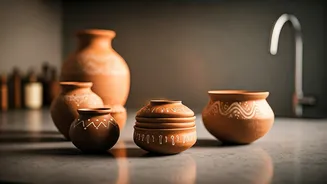
Ready to try it? When buying an earthen pot, look for unglazed, lead-free options to reap the full benefits of the natural clay. [4, 11] Before its first use, you'll need to season the pot. This typically involves soaking it in water for several hours, then allowing it to air-dry completely. [19, 27] This prepares the clay and prevents cracking. When cooking, always start on a low heat and increase it gradually to avoid thermal shock. [19, 28] For cleaning, avoid harsh soaps, which can get absorbed into the porous surface. Instead, use hot water and a stiff brush. [23] With proper care, your earthen pot will become a cherished tool that improves with every stew you make.