


Witness the Tiger Dance of Thrissur
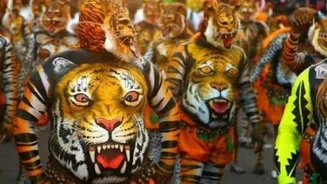
On the fourth day of Onam, the streets of Thrissur erupt with the raw energy of Pulikali, or the 'Tiger Dance'. This isn't just a parade; it's a folk-art spectacle with a history stretching back over 200 years. Hundreds of performers, their bodies meticulously
painted in bold yellow, black, and red stripes to resemble tigers and leopards, dance to the powerful rhythm of percussion instruments like the chenda and thakil. The artists, some of whom fast for weeks to prepare, take over Swaraj Ground, enacting scenes of a tiger hunt with playful, fierce movements. It’s a loud, crowded, and utterly unforgettable display of community spirit and artistic dedication that defines Thrissur as Kerala's cultural capital.
Experience a Ritualistic Feast at Aranmula
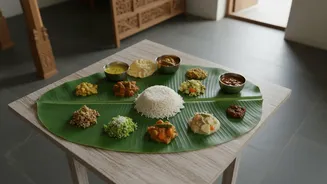
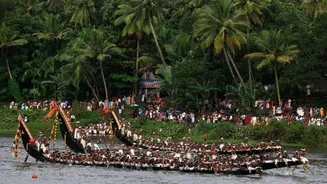
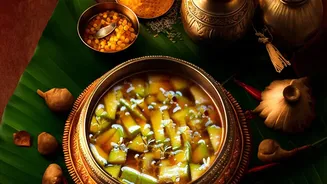
While an Onam sadya (feast) is essential, the Aranmula Valla Sadhya offers an experience that transcends the meal itself. Held at the Sree Parthasarathy Temple, this grand feast is a ritual offering for the oarsmen of the region's famed Palliyodams (snake boats). Considered one of the largest vegetarian feasts globally, it features over 60 dishes served on a banana leaf. What makes it unique is the interactive tradition: the oarsmen arrive by boat and sing 'Vanchipattu' (boat songs), playfully demanding specific dishes, which are then served immediately. For a visitor, it’s a chance to witness a spectacular blend of devotion, community, and culinary heritage all centered around the sacred Pamba River.
Discover the Masked Dancers of Palakkad and Thrissur
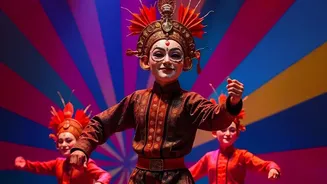
Far from the polished stages, Kummattikali offers a glimpse into a more rustic and ancient Onam tradition. Performers in the Palakkad and Thrissur regions don large, colourful wooden masks representing deities, demons, and animals, with bodies covered in woven grass. These masked dancers move from house to house, singing and dancing to the rhythm of an 'Onavillu', a bow-like musical instrument. The performance is believed to welcome King Mahabali and is rooted in folk tales connected to Lord Shiva. Seeing a Kummattikali troupe appear on a village road is a surreal and authentic experience, offering a look into the devotional folk arts that continue to thrive away from the main festival hubs.
Join the Celebrations at Onam's Mythical Home
For a deeply spiritual immersion, visit the Thrikkakara Vamana Moorthy Temple near Kochi, believed to be the epicentre of the Onam legend. The temple hosts a ten-day festival that begins on the Atham day, culminating on Thiruvonam. Unlike other celebrations, the focus here is intensely devotional, with the deity dressed as one of Vishnu's ten avatars each day. The festival includes vibrant processions with caparisoned elephants and traditional music. A major highlight is the grand sadya served to thousands of devotees on the final two days, a massive community feast that embodies the festival's spirit of unity and sharing.
Share a Feast with a Local Family
Perhaps the most intimate way to experience Onam is to step inside a Kerala home. Many homestays and local families welcome guests to participate in their private celebrations. This goes far beyond just tasting an authentic, home-cooked sadya, which can have over 20 dishes. It's an opportunity to help lay the 'Pookalam' (floral carpet) each morning, see family members receive 'Onakkodi' (new clothes gifted by the eldest), and understand the small rituals that bind families together during this time. Sharing this meal is about partaking in a tradition where every dish has a story and every guest is treated as family, capturing the true essence of King Mahabali’s legendary, generous spirit.
Explore the Buzzing Onam Markets
To feel the festive energy building up, spend time at a local 'Onam Chanda' or festival market. These temporary markets spring up across towns and villages and are a hive of activity. This is where households shop for everything needed for the celebrations. You'll see vendors selling neat stacks of banana leaves for the sadya, pyramids of Nendran plantains for chips and offerings, and a colourful array of vegetables specific to Onam dishes. It’s also the place to see families shopping for their Onakkodi, the traditional new clothes gifted during the festival. A walk through these markets provides a sensory overload of sights, sounds, and smells that are purely and authentically Onam.