








The Rise of 'Fast Furniture'
We live in an era of 'fast furniture'—mass-produced, inexpensive pieces that follow fleeting trends. While the low prices are tempting, this furniture is often built to be disposable. The core issue lies in the frame, the very skeleton of the piece. Manufacturers
cut costs by using materials like particleboard, MDF (medium-density fiberboard), or softwoods. These materials are made from wood chips, sawdust, and resins, and lack the inherent strength of solid wood. They are highly susceptible to moisture, can sag under weight, and often cannot hold screws tightly, making repairs nearly impossible. The result is a piece of furniture with a short lifespan, destined for the landfill.
Anatomy of a Strong Frame
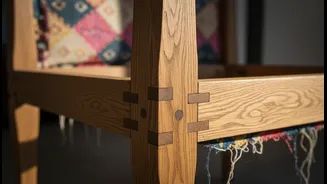
A quality piece of furniture begins with a quality frame, which is almost always made of solid hardwood. Look for kiln-dried hardwoods like teak, sheesham, oak, or walnut. The kiln-drying process removes moisture, preventing the wood from warping or cracking over time. The construction method is just as important. The gold standard for joinery includes techniques like mortise-and-tenon or dovetail joints, which create strong, interlocking connections that don't rely on just glue or staples. When inspecting a sofa or chair, look for corner blocks—small pieces of wood that reinforce the joints and add stability. A well-made piece will feel heavy and solid.
The Upholstery Deception
A beautiful, plush fabric can be a clever disguise for a weak structure. Manufacturers know that appearance is a major selling point, and they may use attractive upholstery to distract from a flimsy frame underneath. While the fabric and cushions provide the initial comfort and style, it is the invisible frame that determines whether your sofa will last for two years or two decades. A wobbly arm, a sagging middle, or creaking sounds are all red flags that the internal structure is failing, no matter how good the exterior looks. A quality piece should be beautiful inside and out, with high-density foam cushions that hold their shape and durable fabric.
The Long-Term Value of Repairability
This is where the wisdom of investing in a good frame truly shines. A solid hardwood frame can last for generations. As trends change or the fabric wears out, a well-built piece can be reupholstered. While reupholstery can sometimes seem expensive, it is often more cost-effective than buying a new high-quality piece. In India, there is a rich tradition of skilled artisans, or karigars, who excel at furniture repair and reupholstery. By choosing to repair and reupholster, you are not only extending the life of your furniture but also supporting local craftsmanship and reducing landfill waste. A good frame allows your furniture to evolve with you, adapting to new styles and homes.
How to Be a Smart Furniture Shopper
When you're in the showroom, don't just look—investigate. Perform a few simple tests to check the frame's integrity. First, try the lift test: lift one front corner of the sofa about six inches. The other front leg should lift as well. If it stays on the floor, the frame is twisting, a sign of weakness. Next, perform the wobble test: grab the arms and back and give them a firm shake. There should be minimal to no movement. Ask the salesperson directly about the frame material and construction. If they can confirm it's kiln-dried hardwood with solid joinery, you're on the right track. Don't be shy about checking the underside and back—quality manufacturers don't cut corners on hidden parts.