



The Era of Cool Minimalism
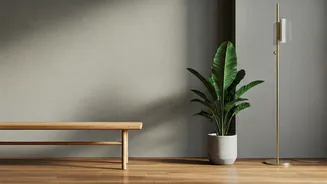
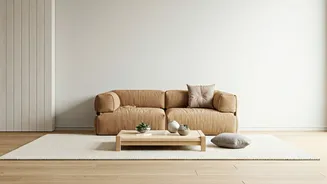
Remember the homes that dominated Instagram and Pinterest feeds a few years ago? They were beautiful, aspirational, and decidedly cool. Inspired heavily by Scandinavian design, this aesthetic was defined by clean lines, neutral palettes of grey, white,
and beige, and a philosophy of 'less is more'. Every object had its place, clutter was the enemy, and the overall vibe was one of crisp, airy perfection. This was the home as a gallery—a space to be admired for its restraint and sophisticated taste. In many ways, it was a reaction to the ornate, heavy interiors of a previous generation, offering a clean slate for modern Indian life. It felt global, efficient, and orderly.
Why the Sudden Craving for Comfort?
The pendulum has begun to swing back, and the reasons are deeply human. The global pandemic played a significant role, forcing us to spend unprecedented amounts of time within our four walls. Our homes had to become more than just a place to sleep; they transformed into offices, schools, gyms, and sanctuaries. The pristine, hands-off 'gallery' home suddenly felt cold and impractical. We started craving spaces that could nurture and comfort us. This collective experience accelerated a desire for homes that feel lived-in and personal, rather than staged. The shift to cosy is a vote for emotional well-being, a recognition that our environment has a profound impact on our mood and mental health.
The Key Ingredients of a Cosy Home
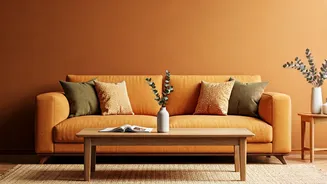
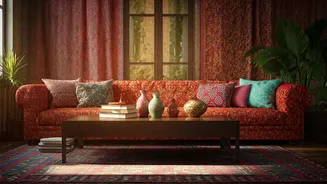
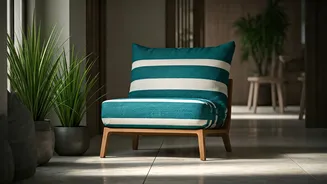
So, what does this new ‘cosy’ look like? It’s less about a single style and more about a feeling, created through a combination of elements. First, a warmer colour palette is taking over. Think terracotta, olive green, deep blues, and warm whites instead of stark greys. Texture is paramount. We're seeing a return of plush velvets, nubby bouclé fabrics, natural jute rugs, and soft linen curtains that diffuse light beautifully. Lighting has also become more layered and intimate, with a focus on table lamps, floor lamps, and scented candles to create pockets of warm, inviting light, rather than relying solely on harsh overhead fixtures. The goal is to create a multi-sensory experience that feels like a hug.
Embracing the Perfectly Imperfect
A key part of the cosy movement is the acceptance of imperfection. It’s about moving away from mass-produced perfection and towards things that tell a story. This aligns with the Japanese concept of 'wabi-sabi'—finding beauty in imperfection and transience. In decor, this translates to incorporating handmade items, vintage finds, and cherished family heirlooms. That slightly worn armchair from your grandmother, the hand-thrown ceramic mug, the gallery wall of mismatched frames holding personal photos—these are the elements that give a home its soul. It’s a move away from a home that looks like a catalogue and towards one that reflects the unique story of the people who live there.
The Modern Indian Interpretation
What makes this trend particularly exciting in India is how beautifully it merges with our own rich heritage of craft and design. The 'cosy' aesthetic provides the perfect canvas for re-integrating Indian elements in a contemporary way. Think cane and rattan furniture, which adds instant warmth and texture. Hand-block printed quilts from Jaipur, artisanal brass lamps and decor, and colourful kilims can all be layered into a modern setting. It’s about creating a unique design language that feels both global in its comfort-driven approach and deeply local in its expression. This isn’t a wholesale return to traditional decor, but a thoughtful blending of the old and new to create spaces that are authentically Indian and deeply personal.