







Beyond Just Sweet
In India, the mango is more than just a fruit; it's an emotion, a harbinger of summer, and a staple of nostalgic memories. We are accustomed to its divine sweetness in desserts, juices, and shakes. But we also know its versatile, tangy side in pickles
(achar), souring agents (amchur), and refreshing raw mango salads. The idea of adding a savoury, spicy kick to a ripe mango isn't a corruption of its purity—it's an extension of its incredible range. We already sprinkle salt and red chilli powder on raw mango slices, a snack that makes mouths water at the mere thought. Applying this same logic to a ripe, sweet mango might seem unconventional, but it taps into a flavour principle that our palates already understand and adore: the magical interplay of sweet, sour, and spicy.
Understanding Peri Peri
So, why peri peri specifically? This vibrant red spice mix is more than just raw heat. Its name, also spelled piri-piri, is Swahili for 'pepper-pepper,' and its star ingredient is the African Bird's Eye chilli. Popularised globally by Portuguese explorers and Mozambican cuisine, a good peri peri blend is a symphony of flavours. It typically includes the fiery chilli, citrus peel (lemon or orange), onion, garlic, bay leaves, and other herbs. This creates a complex profile that is at once smoky, tangy, slightly sweet, and, of course, spicy. Unlike a straightforward chilli powder that offers only heat, peri peri brings a zesty, aromatic character that is designed to complement, not overpower, the food it seasons.
The Science of Sensation
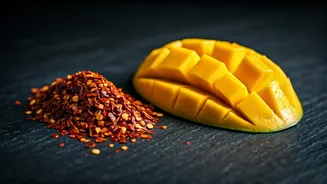
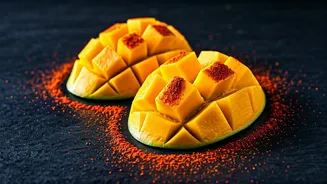
Here's where the magic happens. When you sprinkle peri peri on a slice of juicy mango, you trigger a delightful cascade of sensations. Your palate first registers the floral sweetness of the mango. Then, the heat from the chilli arrives, but it doesn't just burn. The capsaicin (the compound that makes chillies hot) actually enhances our perception of other flavours. Suddenly, the mango tastes even more 'mango-ey'. The sugar and juice from the fruit act as a natural coolant, balancing the spice so it becomes a pleasant warmth rather than a five-alarm fire. Finally, the citrus and garlic notes in the peri peri cut through the richness, providing a tangy, savoury finish that cleanses the palate and makes you immediately want another bite. It’s a full-circle flavour experience that hits every note: sweet, spicy, tangy, and savoury.
A Global Culinary Tradition
This concept of chilli-on-fruit is celebrated across the globe, proving its universal appeal. In Mexico, street vendors serve cups of mango, pineapple, and jicama generously sprinkled with Tajín—a blend of chilli, lime, and salt. Throughout Southeast Asia, it’s common to find fresh fruit served with a salty, spicy dipping mixture. Even closer to home, the popularity of chaat masala on fruit salads is a testament to our love for this exact flavour profile. Seen in this context, using peri peri on mangoes isn't a strange Western import; it's simply a different dialect of a flavour language we already speak fluently. It’s a new and exciting way to participate in a time-honoured culinary tradition.
How to Get Started
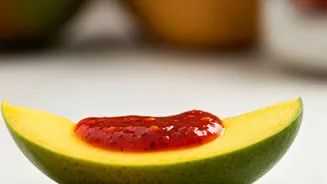
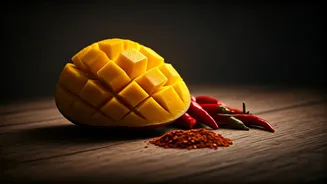
Convinced and ready to try? It couldn't be simpler. Start with a good mango—one that is ripe and sweet but still firm enough to hold its shape. A Badami or a Totapuri works wonderfully. Slice it into spears or cubes. Now, take your favourite brand of peri peri seasoning. If you're cautious, start with a light dusting. If you're bold, be more generous. For the ultimate experience, add a final squeeze of fresh lime juice over the top. The extra acidity will tie all the flavours together beautifully. Don’t have peri peri on hand? A mix of red chilli powder, salt, and a pinch of amchur or chaat masala will give you a similarly delightful effect. The key is to experiment and find the balance that makes your taste buds sing.