




Your Balcony’s Natural Humidifier
For many aspiring gardeners in India, the idea of keeping plants alive can feel daunting. We worry about scorching summer heat, forgetting to water, and a general lack of a ‘green thumb’. But the monsoon season flips the script entirely. The air becomes
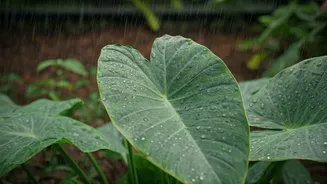
thick with moisture, creating a natural, super-charged humidifying effect that many popular houseplants absolutely love. High humidity reduces transpiration, the process where plants lose water through their leaves. This means your plants are less stressed, require less frequent watering, and are more forgiving if you’re a beginner. Think of it as nature providing a free, automatic plant-sitting service, creating a lush, tropical microclimate right on your windowsill or balcony.
The Easiest Plants to Start With
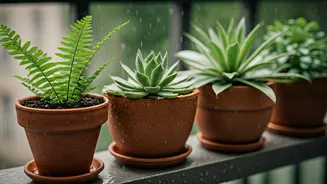
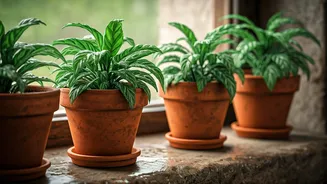
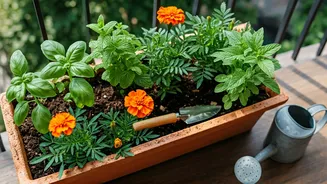
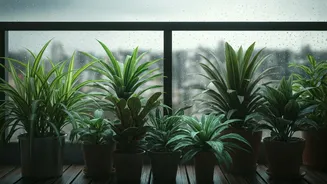
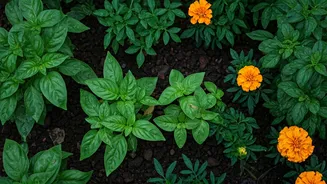
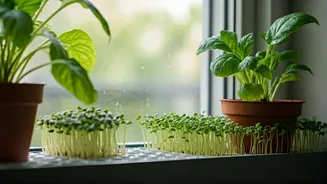
The key to building confidence is starting with plants that are almost guaranteed to succeed in these conditions. Focus on species native to tropical rainforests, as they are genetically programmed to thrive in the damp, humid air of the monsoon. The humble Money Plant (Pothos) is a fantastic starter; it’s famously resilient and its vines will grow with vigour. The Snake Plant is another indestructible choice, tolerating a wide range of conditions and helping purify the air. For a touch of elegance, try a Peace Lily, which enjoys moisture and rewards you with beautiful white spathes. Ferns, like the Boston Fern, become incredibly lush and green in high humidity. Even common herbs like mint and basil can flourish, as long as they have good drainage.
Setting Up for Success
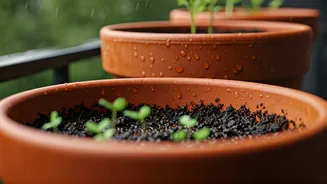
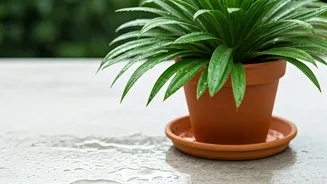
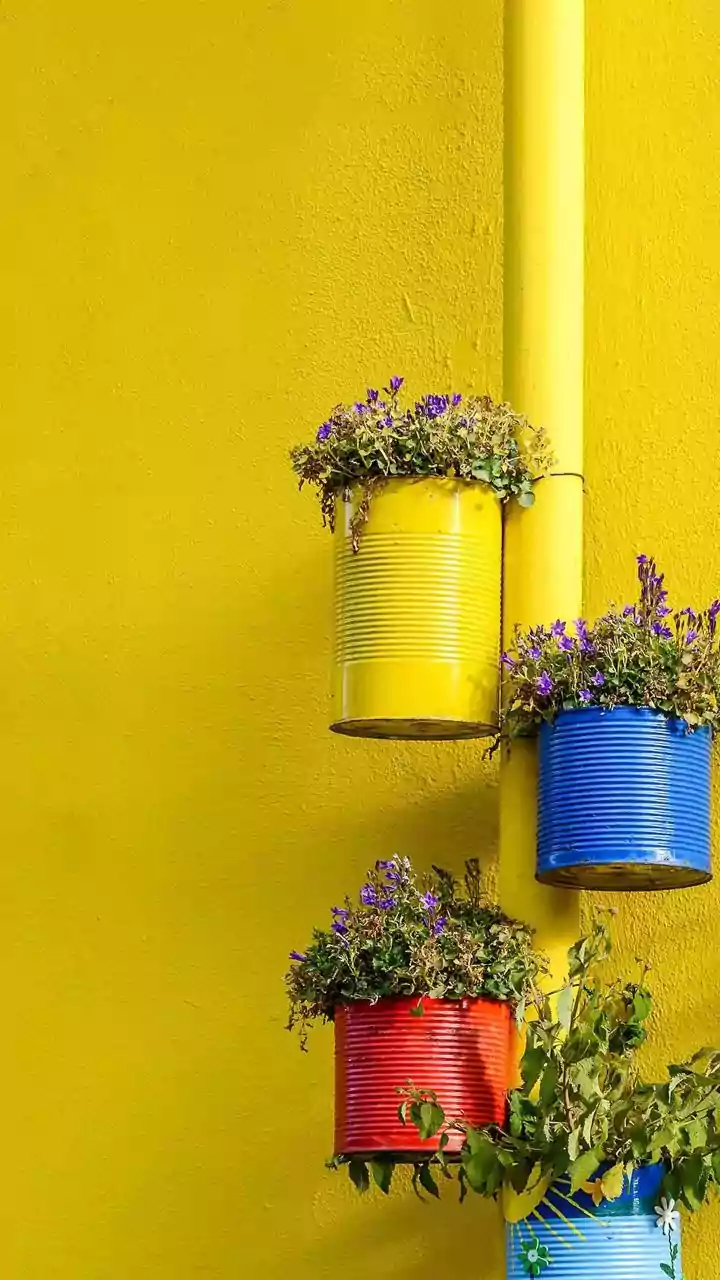
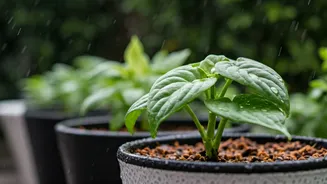
Success in a small space during the monsoon is all about managing water. While the humidity is a gift, torrential rain can be a curse. The number one rule is to ensure excellent drainage. Choose pots with plenty of holes at the bottom. If a pot you love doesn't have them, you can try to drill them yourself or use it as a decorative outer pot (a 'cachepot') with a functional, drained pot inside. Use a light, well-draining potting mix. You can buy pre-made mixes or create your own by adding perlite or sand to regular cocopeat-based soil. This prevents the soil from becoming a soggy, compacted mess, which leads to root rot. Place your plants where they receive bright, indirect light but are shielded from the direct force of heavy downpours, which can damage delicate leaves and waterlog the soil.
Avoiding Common Monsoon Pitfalls
While humidity is your friend, stagnant, damp conditions can invite trouble in the form of fungal diseases and pests. The solution is simple: airflow. If your balcony is crowded, try to space your pots out a little to allow air to circulate between them. This helps leaves dry off and discourages mildew. Be extremely cautious with your watering can. The humid air and cloudy days mean soil dries out much slower. Before watering, stick your finger about an inch into the soil. If it feels damp, wait another day or two. It’s far easier to kill a plant with overwatering than underwatering during the monsoon. Keep an eye out for common pests like aphids and mealybugs, which can multiply in damp environments. A simple spray of neem oil solution is an effective, organic way to keep them at bay.