





From Monsoon Retreat to Winter's First Knock
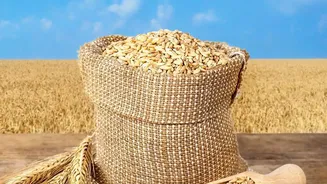
October marks a pivotal shift in India's agricultural calendar. It's the period when the Kharif (monsoon) crops are harvested and the land is prepared for sowing Rabi (winter) crops. The weather plays a crucial role; the retreat of the southwest monsoon leaves
behind moist, workable soil, while the gradual drop in temperature creates ideal conditions for a new variety of produce to thrive. This change signals an end to the dominance of gourds and water-heavy vegetables of the rainy season and welcomes the first wave of heartier, cooler-weather crops that will define Indian plates through winter. This transition is a celebrated time, as the fresher, more diverse produce aligns with the upcoming festive energy of Dussehra and Diwali.
Leafy Greens Make a Grand Comeback
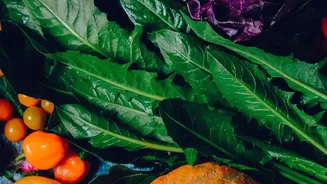
One of the most noticeable changes in October is the triumphant return of delicate leafy greens. The intense rainfall and high humidity of the monsoon are harsh on greens like spinach (palak), fenugreek (methi), and mustard greens (sarson). As the weather becomes cooler and drier, these vegetables flourish. Markets begin to fill with fresh, tender bunches, a sight for sore eyes after months of limited availability. These greens are nutritional powerhouses, rich in iron and other essential minerals, making them a perfect addition to the diet to boost immunity as the season changes. From palak paneer to methi theplas, their arrival opens up a world of beloved, warming dishes.
The Arrival of Hearty Root Vegetables
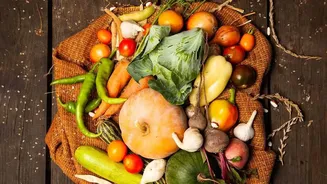
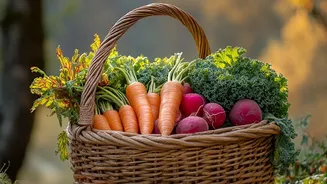
October is also when the first of the quintessential winter root vegetables begin to appear in abundance. The soil, no longer waterlogged, is perfect for cultivating crops that grow underground. Carrots (gajar), radishes (mooli), turnips (shalgam), and beetroots start to line vendor stalls. Early-season carrots are particularly sweet and juicy, a key ingredient for the much-anticipated gajar ka halwa. These root vegetables are valued for their density and ability to be stored, providing sustenance through the colder months. Their earthy flavours are a grounding force in post-monsoon cooking, used in everything from crunchy salads and pickles to robust sabzis and stews.
Cruciferous Vegetables Take Centre Stage
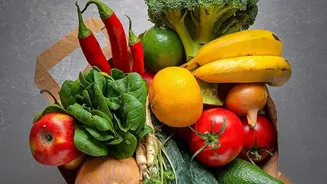
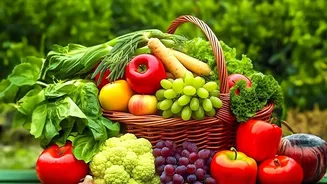
Alongside root vegetables, October ushers in the season for cruciferous varieties. Cauliflower (gobi), cabbage, and broccoli thrive in the cooling temperatures that start this month. While cauliflower might be available year-round thanks to cold storage, the seasonal produce that arrives in October is firmer, more compact, and less watery, allowing it to absorb spices without turning mushy. This makes it perfect for classic dishes like Aloo Gobi, where its texture is paramount. Similarly, cabbage becomes crisper and sweeter, lending itself well to both cooked dishes and fresh slaws. These vegetables are rich in vitamins and antioxidants, helping the body prepare for the coming winter.
A Shift in the Fruit Basket
The fruit selection also sees a significant shift. The jamuns and peaches of the monsoon make way for a different kind of sweetness. Apples from the Himalayan states are at their peak, crisp and flavourful. Pomegranates, with their jewel-like seeds, become widely available and are a festive favourite. October also marks the beginning of the season for guavas and the early arrival of citrus fruits like sweet limes (mosambi). These fruits are rich in Vitamin C, providing a crucial immunity boost ahead of winter, a time when colds and other seasonal ailments become more common.