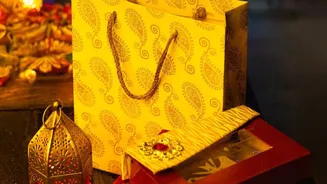




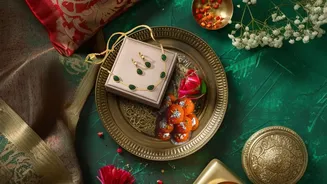

For generations, the art of gifting in India has been wrapped in tradition—silken boxes of mithai, crisp envelopes of cash, or gleaming silverware. But a quiet revolution is underway, transforming how we express love, gratitude, and celebration.
From Possessions to Lasting Memories
The long-held
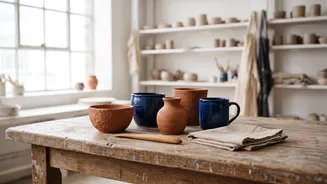
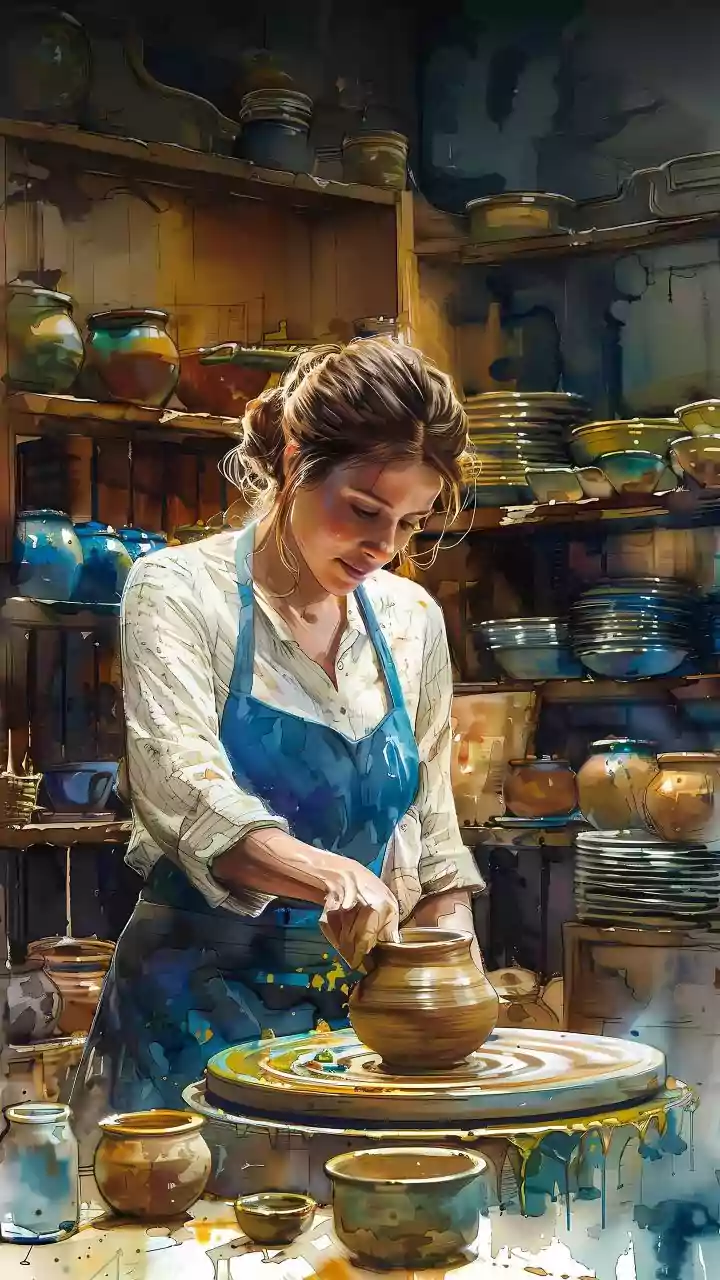
belief that a gift must be a tangible object is fading. In its place, a new preference is emerging, one that prioritizes creating memories over collecting possessions. This isn't just a fleeting trend; it’s a fundamental shift in what Indian consumers value. Reports suggest that a significant majority of consumers, particularly younger ones, now prefer spending on experiences rather than physical products. The joy of a new gadget or a piece of clothing is often temporary. Psychological research shows we adapt to new things, a phenomenon known as 'hedonic adaptation'. That initial excitement fades, and the object becomes just another part of our daily lives. Experiences, however, work differently. They become a part of our identity and our stories. A weekend trek, a pottery workshop, or a music concert doesn't just provide joy in the moment; it offers the pleasure of anticipation before the event and the warmth of cherished memories long after it's over.
The Millennial and Gen Z Influence
This movement is largely championed by India's powerful millennial and Gen Z populations. These generations, who are digital natives and socially conscious, are redefining consumer culture. Having grown up in an era of abundance and digital connectivity, they are less focused on ownership and more on access and experience. For them, a well-curated life is not about what you own, but what you have done. This mindset is reshaping the market, with India's experience economy—spanning live events, travel, and wellness—projected to nearly double in value from approximately $32.2 billion in 2024 to $59.2 billion by 2030. These younger consumers are more likely to gift a subscription to a meditation app, tickets to a stand-up comedy show, or a voucher for a gourmet cooking class than a traditional showpiece.
What Experiential Gifting Looks Like in India
The scope of experiential gifting is vast and growing, catering to a diverse range of interests and budgets. It is no longer a niche concept but a thriving segment of the overall gifting market. Popular options now include curated travel packages to unexplored corners of the country, wellness retreats focusing on yoga and mindfulness, and skill-based workshops like scent-making or craft brewing. For city dwellers, options like exclusive chef's table dinners, tickets to major sporting events, or passes to multi-day music festivals are gaining immense popularity. Even corporate gifting, once dominated by diaries and desk accessories, is evolving. Companies are now opting for team-building adventure outings and wellness program memberships, recognizing that shared experiences foster stronger professional bonds than physical items.
The Deeper Value of a Shared Moment
At its core, the shift towards experiential gifting is about a search for deeper connection. Gifting an experience is often an invitation to spend quality time together, strengthening relationships in a way a material object rarely can. In an increasingly fast paced and digital world, these shared moments have become the ultimate luxury. Studies confirm that experiences are more effective at building social bonds than possessions. We are also less likely to negatively compare our experiences to others', a common source of dissatisfaction with material goods. A gifted trip or class becomes a shared story, a unique memory that appreciates in emotional value over time, unlike a physical item that can break, become outdated, or be forgotten in a cupboard.