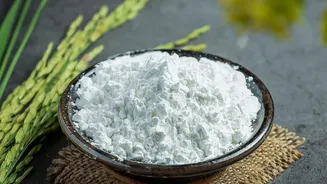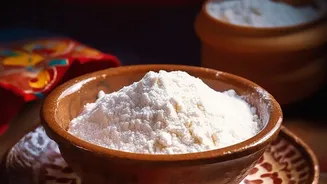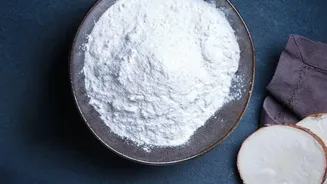


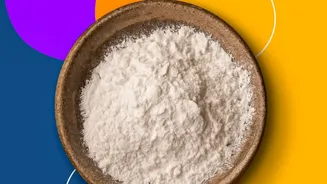
Often found in the gluten-free aisle, arrowroot flour is a versatile starch that deserves a spot in every pantry. Tasteless and naturally grain-free, its unique properties can elevate both sweet and savoury dishes in surprising ways.
1. Thicken Sauces, Soups, and Gravies
Arrowroot's primary
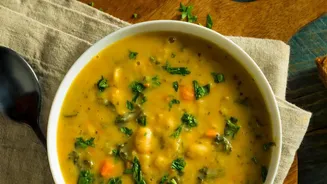
role in many kitchens is as a superior thickening agent. Unlike cornstarch, which can sometimes leave a chalky taste and a cloudy appearance, arrowroot powder creates a clear, glossy finish. This makes it ideal for fruit sauces, glazes, and clear gravies where appearance matters. It's also more effective than cornstarch, so you generally need less—about two teaspoons of arrowroot for every tablespoon of cornstarch. To use it, always create a 'slurry' by mixing the powder with a small amount of cold water before whisking it into a hot liquid. Add it near the end of cooking, as prolonged heat can cause it to lose its thickening power. It also freezes and thaws well without becoming watery, a distinct advantage over cornstarch-thickened sauces.
2. Achieve a Light, Crispy Coating
For an incredibly light and crispy crust on fried or roasted foods, arrowroot flour is a game-changer. A light dusting on chicken, fish, tofu, or even vegetables before cooking provides a delightful crunch. For recipes like gluten-free fried chicken or crispy chicken nuggets, arrowroot is used as a coating, sometimes in combination with other flours like almond flour, to create a golden-brown exterior when fried. Because it's flavorless, it won't interfere with your seasonings, allowing the true taste of your dish to shine through. This method works well for everything from homemade onion rings to perfectly crisp potatoes, giving you that satisfying restaurant-quality texture at home.
3. Improve Gluten-Free Baking
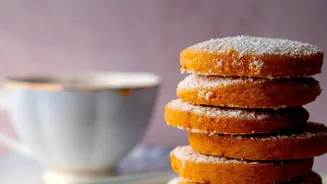
In the world of gluten-free baking, arrowroot is a valuable player. It's not typically used as a standalone flour but rather as part of a gluten-free flour blend. Its main function is to lighten the texture of baked goods like cakes, cookies, and muffins, preventing the dense or gritty results that some gluten-free flours can produce. By adding tenderness and structure, it helps create a softer, more desirable crumb. It is especially useful in recipes calling for almond or coconut flour, where it contributes to a more delicate and less heavy final product. Some recipes for gluten-free cookies use arrowroot to achieve a 'melty' texture.
4. Create Jellies and Puddings
Arrowroot's ability to thicken at lower temperatures and its compatibility with acidic ingredients make it perfect for creating smooth, firm desserts. It is an excellent choice for making clear fruit jellies and glossy pie fillings, as it won't turn them cloudy. It's also a key ingredient for creamy, delicate puddings and custards. Unlike cornstarch, arrowroot does not mix well with dairy on its own, as it can sometimes result in a slimy texture. However, it works beautifully in puddings made with non-dairy milks like coconut milk or in egg-based custards where it thickens without prolonged high heat. Its neutral flavour ensures that the vanilla, chocolate, or fruit in your dessert remains the star.
5. Use as a Binder or Egg Replacer
For vegan and plant-based cooking, arrowroot flour serves as an effective binder. In recipes where an egg's primary role is to hold ingredients together, a mixture of arrowroot and water can be a fantastic substitute. A common ratio is two tablespoons of arrowroot powder mixed with three tablespoons of water to replace one egg. This makes it useful for binding veggie burgers, fritters, and some baked goods like cookies or quick breads. It helps lighten the texture while ensuring everything holds its shape, offering a simple, flavorless, and grain-free solution for egg-free recipes.