





Hibiscus: The Year-Round Bloomer
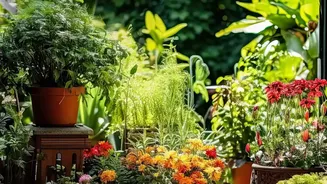
Known locally as 'Gudhal', the Hibiscus is a favourite in Indian households for good reason. It produces large, trumpet-shaped flowers in a dazzling array of colours like red, pink, yellow, and orange, often blooming throughout the year in India's warm
climate. This plant loves basking in the sun, requiring at least five to six hours of direct sunlight to produce an abundance of flowers. It's perfect for a sunny balcony or a bright spot in your garden. For soil, a well-draining mix of garden soil, compost, and cocopeat works wonders. Water your hibiscus when the top inch of soil feels dry, but be careful not to let it sit in waterlogged soil, as this can cause root rot. With minimal care, this hardy plant will reward you with a continuous and spectacular display of colour.
Croton: The Colourful Foliage Star
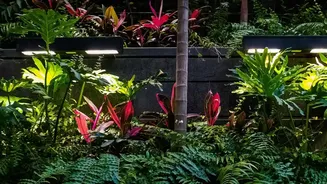
If you want a riot of colour without relying on flowers, the Croton is your answer. Native to India, Malaysia, and the Pacific islands, this plant is celebrated for its stunning, multi-coloured leaves that feature splashes of yellow, red, orange, pink, and even deep purple. The more bright, indirect light it receives, the more vibrant its foliage becomes, making it a living piece of art. Crotons thrive in the warm and humid conditions typical of the Indian climate. They prefer their soil to be consistently moist but not soggy, so water them when the top inch of soil feels dry. Plant them in a well-draining mix and place them in a spot protected from cold drafts to prevent leaf drop. Their bold presence can instantly liven up a living room or a shaded patio.
Anthurium: The Glossy Heart-Shaped Beauty
Often called the 'Flamingo Flower', the Anthurium is prized for its glossy, heart-shaped 'flowers', which are actually colourful spathes that last for weeks. Available in vibrant reds, pinks, and whites, they bring a touch of sophisticated cheer to indoor spaces. Native to the tropical rainforests of South America, Anthuriums are perfectly suited for India's humid conditions. They flourish in bright, indirect light, so an east-facing window or a well-lit spot away from direct sun is ideal. Harsh sunlight can scorch their leaves and fade the spathes. Keep the soil consistently moist but never waterlogged; watering every 5-7 days in summer is a good rule of thumb, but always check the soil first.
Areca Palm: The Lush Air Purifier
For those seeking to create a lush, tropical vibe, the Areca Palm is an excellent choice. Its feathery, arching fronds add an airy and elegant feel to any room. Beyond its good looks, the Areca Palm is a powerhouse air purifier, helping to improve the air quality in your home. This plant adapts well to indoor conditions, thriving in bright, indirect light. While it can tolerate lower light levels, a spot near a window with filtered sunlight is best. Keep the soil lightly moist, but avoid overwatering. Its adaptability and graceful appearance make it one of the most popular indoor plants in India.
Bird of Paradise : The Dramatic Statement Piece
Named for its unique flowers that resemble a colourful bird in flight, the Bird of Paradise (Strelitzia reginae) is a true showstopper. Its large, banana_like leaves create a bold architectural statement even when the plant is not in bloom. This plant loves sunlight and needs at least four to six hours of bright preferably direct light to thrive and flower. It's an ideal choice for a sun_drenched balcony or a large room with ample light. Native to South Africa it enjoys the warmth and humidity of the Indian climate. Water it regularly during the summer allowing the soil to dry out slightly between waterings. While it requires a bit of patience to bloom its dramatic foliage alone makes it a worthwhile addition.
Monstera Deliciosa : The Iconic Green Giant
With its large glossy leaves featuring iconic natural splits the Monstera Deliciosa or 'Swiss Cheese Plant' has become a trendy favourite in modern homes. Its dramatic foliage brings a touch of the wild indoors creating an instant focal point. This plant is surprisingly low_maintenance and adapts well to various indoor settings. It prefers bright indirect sunlight as direct sun can burn its leaves. Water it when the top two inches of soil feel dry and be cautious of overwatering which can lead to root rot. As a natural climber you can provide it with a moss pole to support its upward growth enhancing its jungle_like aesthetic.