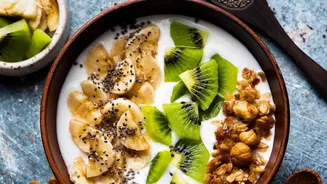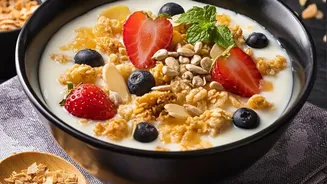



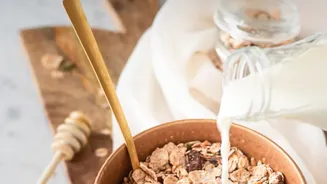

Starting your day with a balanced, diabetes-friendly breakfast is crucial for managing blood sugar. Adding fibre-rich seeds can be a simple yet powerful way to enhance your morning meal and support stable glucose levels throughout the day.
Why Fibre Matters in the Morning
For individuals
managing diabetes, the first meal of the day sets the tone for glucose control. Dietary fibre, particularly soluble fibre, is a key player in this process. When you consume fibre-rich foods, they slow down the digestion and absorption of carbohydrates. This means glucose enters your bloodstream more gradually, preventing the sharp spikes in blood sugar that can occur after eating. A high-fibre breakfast not only helps with blood sugar regulation but also promotes a feeling of fullness, which can aid in weight management—a critical aspect of diabetes care. Adding a spoonful of nutrient-dense seeds is an effortless way to boost your breakfast's fibre content and reap these benefits.
1. Chia Seeds
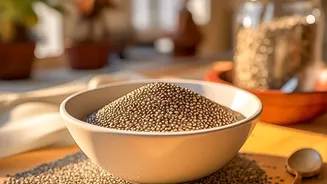
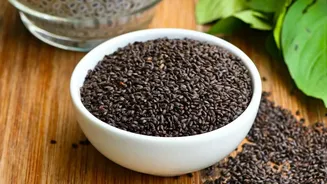
These tiny black seeds are a nutritional powerhouse, celebrated for their high fibre content—about 10 grams in just two tablespoons. When mixed with liquid, chia seeds form a gel-like substance. This unique property slows down digestion, which in turn helps regulate blood sugar levels and prevents sudden spikes. They are also an excellent source of omega-3 fatty acids and antioxidants, which support heart health and reduce inflammation, both important considerations for diabetes management. For a simple morning boost, soak a tablespoon of chia seeds overnight in water or milk to create a pudding, or simply sprinkle them over dahi, oatmeal, or a fruit smoothie.
2. Flax Seeds (Alsi)
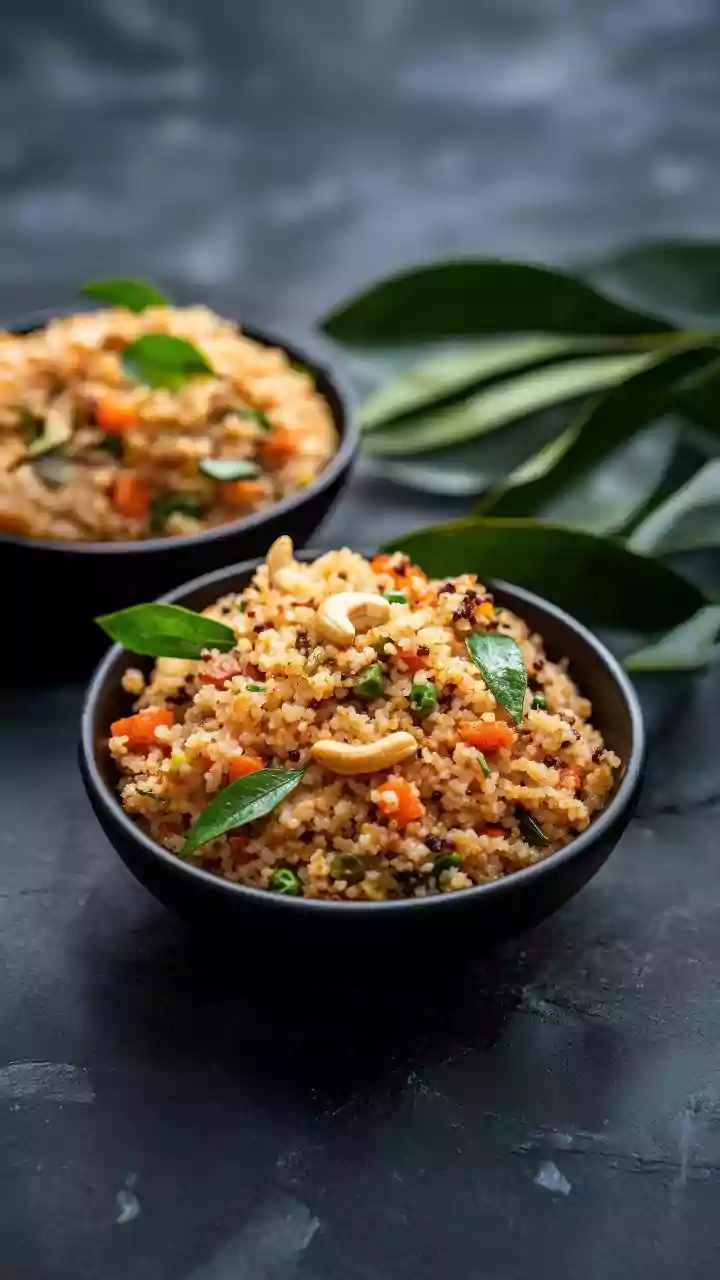
A staple in many Indian households, flax seeds, or 'alsi', are packed with both soluble and insoluble fibre. This combination is excellent for slowing sugar absorption and supporting digestive health. Flax seeds are one of the richest plant-based sources of alpha-linolenic acid (ALA), an omega-3 fatty acid, and lignans, which can improve insulin sensitivity. To unlock their benefits, it's best to consume flax seeds in ground form, as the whole seeds may pass through your system undigested. Try mixing a tablespoon of ground flaxseed into your besan or moong dal chilla batter, stirring it into upma, or sprinkling it over a bowl of porridge or curd.
3. Pumpkin Seeds (Kaddu Ke Beej)
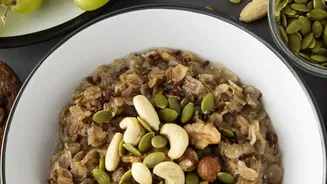
Often enjoyed as a crunchy snack, pumpkin seeds are a fantastic addition to a diabetes friendly diet. They are a great source of fibre, healthy fats, and protein. Crucially, they are one of the best natural sources of magnesium, a mineral that plays a vital role in the body's insulin response and glucose control. Studies have shown that adequate magnesium intake is associated with a lower risk of type 2 diabetes. With a very low glycemic index, they have a minimal impact on blood sugar. You can enjoy a small handful of roasted, unsalted pumpkin seeds as a snack or use them as a topping for poha, upma, or salads to add texture and nutrients.
4. Sunflower Seeds (Surajmukhi Ke Beej)
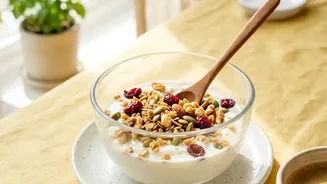
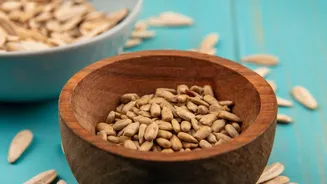
Sunflower seeds are another excellent low carb option with a wealth of benefits. They are rich in vitamin E, a powerful antioxidant that helps combat inflammation, which is often elevated in people with diabetes. They also provide healthy fats, protein, and magnesium, all of which contribute to better blood sugar management. The fibre and fat in sunflower seeds help slow the emptying of your stomach, leading to a more gradual release of sugar from other carbohydrates in your meal. A daily serving of about 30 grams may help reduce fasting blood sugar over time. Sprinkle them over yogurt or add them to a vegetable loaded daliya for a nutritious crunch.
5. Sesame Seeds (Til)
Commonly used in Indian cooking, from til ke ladoo to chutneys, sesame seeds also offer benefits for blood sugar management. They are low in carbohydrates and high in healthy fats, protein, and fibre. Research suggests that compounds in sesame seeds, particularly lignans like sesamin, may have a favourable effect on blood glucose levels. Studies have shown improvements in fasting blood sugar and HbA1c in individuals with type 2 diabetes who regularly consume sesame products. You can incorporate them into your morning routine by adding them to the dough for thepla or roti, blending them into a chutney to have with idli or dosa, or simply sprinkling them on a sprout salad.