



The Rise of Flexible Travel Insurance
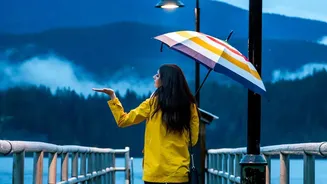
The romance of a monsoon vacation—think misty hills, overflowing waterfalls, and discounted hotel rates—is often tempered by the reality of potential travel disruptions. Sudden downpours can lead to cancelled flights, blocked roads, and shuttered attractions.
Standard travel insurance policies often cover cancellations only for specific, unforeseen reasons like a medical emergency or natural disaster. This is where 'flexible' insurance, particularly policies with a 'Cancel For Any Reason' (CFAR) add-on, is changing the game for holidaymakers. This optional benefit allows travellers to cancel their trip for reasons not typically covered and get a partial refund, offering a crucial safety net against weather-related uncertainty.
Decoding 'Cancel For Any Reason' (CFAR)
So, what exactly is CFAR coverage? It’s an upgrade to a standard travel insurance plan that provides the highest level of flexibility. If you have a change of heart, are concerned about weather forecasts, or face any issue not listed in a standard policy, you can cancel your trip. Typically, to be eligible, you must purchase the CFAR add-on within 14 to 21 days of making your initial trip payment and insure 100% of your prepaid, non-refundable costs. While standard cancellation might reimburse up to 100% for a covered reason, CFAR policies usually reimburse between 50% to 75% of your trip costs. You also generally need to cancel your travel plans at least 48 hours before your scheduled departure.
Your Updated Monsoon Travel Checklist
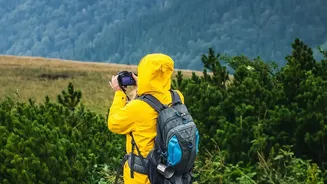
While insurance is a critical new component, a well-prepared monsoon traveller still needs a comprehensive checklist. Smart planning ensures that you enjoy the rains without letting them dampen your spirits or your health. First, focus on packing. Opt for quick-drying synthetic fabrics like polyester and nylon instead of cotton or denim. A lightweight waterproof jacket is essential, as are sturdy, non-slip waterproof shoes. Don’t forget to pack extra socks to keep your feet dry and comfortable. Also, protect your electronics and important documents by carrying them in waterproof bags or zip-lock pouches. Second, health should be a priority. The monsoon season sees a rise in mosquito-borne illnesses, making a reliable insect repellent a non-negotiable item. Carry a basic first-aid kit with essentials like antiseptic wipes, bandages, pain relievers, and any personal medications.
Planning and Destination Tips
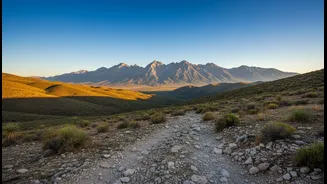
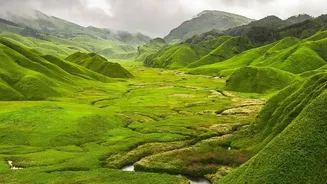
Beyond packing, your travel plan needs to be monsoon-ready. Always check weather forecasts and local advisories before and during your trip, especially if heading to hilly areas prone to landslides. It's wise to build extra time into your itinerary to account for potential travel delays. Driving after dark in heavy rain should be avoided. Choosing the right destination is key. While some areas are best avoided, many places in India are at their most beautiful during the monsoon. Destinations in the Western Ghats like Munnar in Kerala, Coorg in Karnataka, and Lonavala in Maharashtra become lush green paradises. Rajasthan can also be a good option as it receives less rainfall. For those wanting to escape the rains entirely, Ladakh offers a dry, stunning alternative as it lies in a rain-shadow region.