




The Monsoon Effect in Coastal Homes
Living by the sea is a dream, but during the monsoon, it comes with a unique set of challenges. Coastal air is naturally laden with moisture, and when the rains arrive, indoor humidity levels can skyrocket. This creates an environment where nothing ever
feels completely dry. The air becomes heavy, surfaces feel tacky, and a persistent musty odour can develop. This isn't just a matter of comfort; sustained high humidity creates the perfect breeding ground for mould and mildew, which can damage your belongings and impact indoor air quality. The problem is often compounded by standard home designs that may not prioritise the aggressive ventilation needed to combat this seasonal dampness.
When Your Decor Becomes the Enemy
The term 'coastal layout' often evokes images of bright, airy spaces. However, the standard furnishings within them can be surprisingly ill-suited for high humidity. Think of plush sofas with thick upholstery, heavy velvet curtains, and dense decorative rugs. While stylish, these elements act like sponges. Fabrics such as conventional cotton, wool, and certain synthetic blends are highly absorbent; they soak up moisture directly from the air and hold onto it. This trapped moisture not only makes furniture feel damp but also weakens fabric fibres over time, causing them to stretch or degrade. What looks like a cosy living room in the dry season can quickly become a moisture trap during the monsoon.
Identifying the Fabric Culprits
Not all fabrics are created equal when facing humidity. The biggest offenders in your home are typically non-breathable, absorbent materials. Heavy cottons and denim, while natural, absorb a lot of water and dry very slowly. Velvet, chenille, and other plush textiles are particularly bad, as their dense pile holds an enormous amount of moisture, making them a prime spot for mould growth. Many common synthetic fabrics like standard polyester can also be problematic; while they resist water absorption on the surface, they don't allow air to pass through, trapping a layer of humid air against surfaces and preventing anything from drying out properly.
The Simple Fix: Embracing Breathable Fabrics
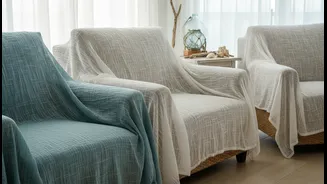
The solution lies in choosing materials that work with the climate, not against it. Breathable fabrics are designed to allow air to circulate freely, and they either resist moisture or wick it away and dry quickly. For home furnishings, this is a game-changer. Linen is an excellent choice; its natural, loose weave is highly breathable and dries fast. Lightweight cottons, like muslin or voile, are also fantastic for curtains and cushion covers. For upholstery, look for modern performance fabrics, often made from polyester blends specifically engineered to be moisture-resistant and breathable. Other great options include bamboo-based fabrics, which are naturally moisture-wicking and have antimicrobial properties, and even jute or hemp for rugs, which don't hold onto dampness.
A Room-by-Room Guide to Fabric Swaps
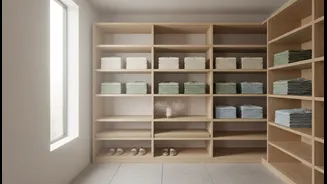
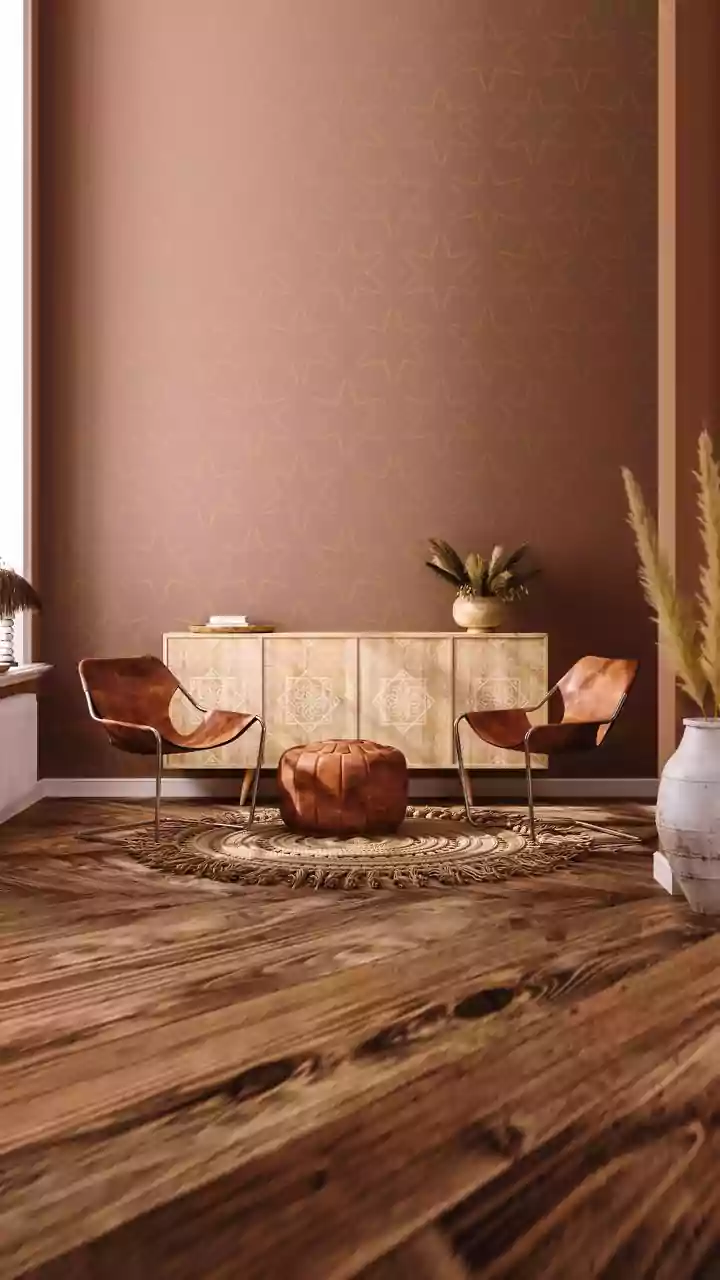
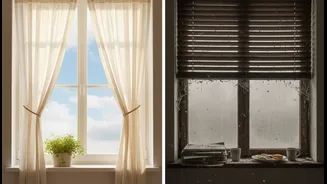
Making a change doesn't have to be overwhelming. Start with strategic swaps. In the living room, replace heavy cushion covers with ones made of linen or a cotton-poly blend. If possible, use removable, washable covers for your sofa. Instead of thick, room-darkening curtains that trap air, opt for sheer linen or lightweight cotton panels that allow for better airflow even when closed. In the bedroom, swap heavy bedspreads for breathable cotton or bamboo quilts and sheets. Consider rolling up and storing thick wool or synthetic rugs during the monsoon months, leaving floors bare or using a flat-weave jute or cotton rug instead. These small adjustments can collectively make a significant difference to the feel of your home.