


Master the Post-Walk Dry Down
This is the most critical step in preventing skin issues. After every walk, even on days without rain, your dog's coat can absorb ambient moisture. This dampness, trapped against the skin, is a primary cause of fungal growth and bacterial infections like
pyoderma. Use an absorbent microfiber towel and be thorough. Don't just wipe the surface; pat and press the towel into the coat to draw out moisture, especially in hidden areas like the armpits, groin, belly, and under the collar. For dogs with thick or double coats, a towel alone is often not enough. Invest in a pet-specific blow dryer and use it on a low-heat or cool setting to ensure the undercoat is completely dry. This prevents the formation of 'hot spots'—painful, inflamed patches of skin that can appear rapidly.
Be Vigilant About Paw Care
Paws are ground zero for moisture-related problems. They are constantly in contact with damp grass and surfaces, and the spaces between the paw pads are notorious for trapping moisture and debris. After each walk, make it a habit to clean and dry each paw individually. Keeping the fur between the paw pads trimmed short improves airflow and reduces the chances of yeast or bacteria taking hold. If you notice your dog excessively licking or chewing their paws, it could be an early sign of an infection. Using medicated or anti-fungal wipes recommended by your vet can provide an extra layer of protection.
Upgrade Your Brushing Routine
High humidity can cause a dog's coat to mat more easily, and these mats act like sponges, locking in moisture against the skin. Daily brushing is essential during the post-monsoon period. It removes loose fur, prevents tangles, and improves air circulation through the coat, which helps the skin breathe and stay dry. Brushing also distributes the natural oils in your dog's coat, which helps maintain a healthy skin barrier. The right brush depends on your dog's coat type, but a slicker brush or a wide-toothed comb is effective for most long-haired breeds, while a rubber curry brush works well for shorter coats.
Inspect Skin Folds and Ears Regularly
Breeds with skin folds, like Pugs and Bulldogs, and those with floppy ears are especially vulnerable to infections in humid weather. These areas trap heat and moisture, creating an ideal environment for yeast and bacteria to thrive. Gently clean inside skin folds with a soft cloth or a vet-approved wipe to remove any buildup of debris and moisture. Similarly, check your dog’s ears for any redness, swelling, or unusual odor, which can indicate an ear infection. A routine cleaning with a gentle, vet-approved ear solution can help keep infections at bay.
Keep Their Environment Dry
The fight against humidity extends to your dog's living space. Damp bedding can harbor fungus and mites, contributing to skin problems. Wash your dog's bedding, soft toys, and blankets frequently and ensure they are completely dry before use. Using a dehumidifier in the room where your dog sleeps can help maintain a healthier indoor humidity level, ideally between 40% and 60%. Opt for bedding made from breathable, moisture-resistant materials instead of heavy fabrics that retain dampness.
Consider an Antifungal Shampoo
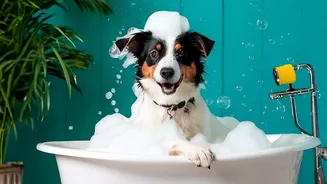
While you shouldn't over-bathe your dog, as this can strip their skin of natural oils, a strategic bath with the right product can be highly effective. Ask your veterinarian about using a medicated or antifungal shampoo during the peak humidity months. These shampoos, often containing ingredients like ketoconazole or chlorhexidine, can help manage the natural fungi and bacteria on the skin and prevent them from overgrowing. After any bath, the drying process is paramount. Ensure every part of your dog, right down to the skin, is completely dry.