

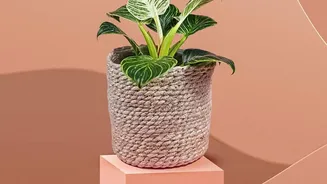
Harness the Power of Dehumidifying Plants
Houseplants are more than just green decor; many are natural air purifiers that actively absorb moisture from the air through their leaves. During the rainy season, when opening windows isn't always an option, a few well-placed plants can help balance
indoor humidity levels. They work by drawing in moisture from their immediate environment, making them perfect for damp corners, bathrooms, and kitchens. This process, known as transpiration, helps them regulate their own water content while simultaneously reducing the mugginess in your room.
The Best Plants for Beating Humidity
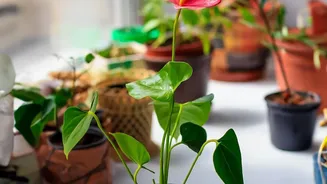
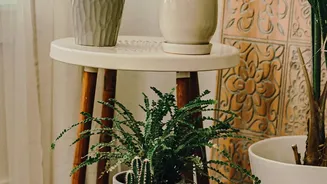
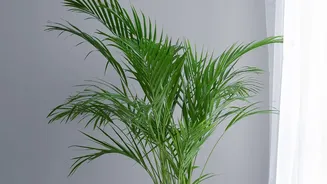
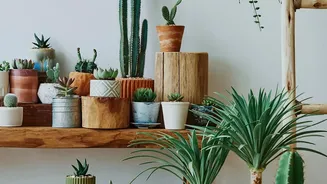
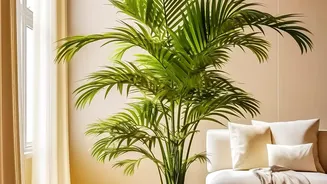
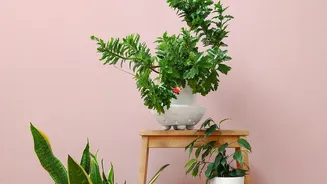
Not all plants are created equal when it comes to absorbing moisture. For the best results, look for species that thrive in humid, tropical environments. The Peace Lily is an excellent choice, known for its ability to reduce moisture while tolerating lower light. Boston Ferns are another powerhouse, loving the extra humidity and actively soaking it up. Other great options include the hardy Snake Plant, English Ivy, and Tillandsia (or air plants), which absorb moisture directly through their leaves. Placing these near windows or in moisture-prone areas can make a noticeable difference.
Understanding Natural Clay Absorbers
Clay-based absorbers are a simple, non-electric way to tackle excess moisture. Materials like terracotta and activated charcoal are highly porous, meaning their surfaces are filled with millions of tiny holes. These pores act like a sponge, trapping water vapour from the air through a process called adsorption. Terracotta, the same material used in earthen pots, is naturally absorbent when dry. Activated charcoal, especially bamboo charcoal, is even more effective due to its vast surface area, allowing it to trap both moisture and odours.
Using Clay and Charcoal Effectively
To use these natural dehumidifiers, simply place them in areas where moisture collects. Small terracotta discs or bowls can be put in closets, drawers, and kitchen cabinets to keep things dry. You can buy them or even use small, unglazed terracotta pot pieces. Activated charcoal often comes in breathable sachets or bags that can be hung in wardrobes or placed in shoe racks and bathrooms to combat mustiness. The best part is their reusability. To 'recharge' them, place the terracotta or charcoal bags in direct sunlight for a few hours. The heat drives out the trapped moisture, making them ready to use again.
Smart Ventilation is Key
While plants and absorbers work on a micro-level, good air circulation is crucial for overall humidity control. During breaks in the rain, open windows and doors on opposite sides of your home to create cross-ventilation. This simple act flushes out the damp, stagnant air and replaces it with fresh, drier air. Use exhaust fans in the kitchen while cooking and in the bathroom after a shower to expel steam immediately at its source. Keeping interior doors open also helps air move freely between rooms, preventing moisture from getting trapped in one area.
Adopt Anti-Humidity Habits
A few small changes in your daily routine can make a big impact. Avoid drying clothes indoors, as this releases a significant amount of moisture into the air. If you must, place them in a well-ventilated room with a fan. Check for and repair any leaks in pipes, roofs, or windows, as these are major sources of unwanted dampness. When cooking, try to cover your pots and pans to minimize the amount of steam escaping into your kitchen. These simple habits, combined with the power of plants and natural absorbers, create a much more comprehensive defence against monsoon humidity.