





Get Your Hair Ready for Braiding
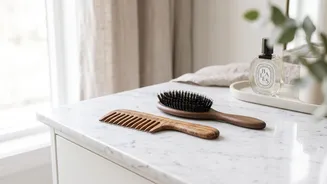
Before you begin, proper preparation is key to a smooth, clean braid. Start by thoroughly brushing your hair to remove any knots or tangles. While some stylists suggest that second-day hair has more grip, you can easily add texture to clean, soft hair with
a texturizing spray or a light spritz of dry shampoo. This will prevent the strands from feeling too slippery and help the braid hold its shape. You'll also need a few tools on hand: a fine-tooth comb, a couple of clear hair elastics, and bobby pins for any stray hairs. For beginners, it can be helpful to gather your hair into a low side ponytail first; this allows you to see your work in the mirror and keeps everything contained.
The Basic Two-Strand Technique
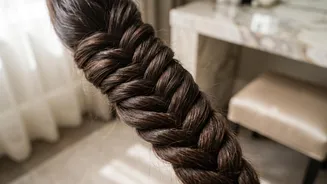
Unlike a classic three-strand braid, a fishtail uses only two sections of hair. Once your hair is prepped, follow these simple steps to create the foundational pattern: 1. Divide your hair into two large, equal sections. 2. Take a thin strand of hair—about half an inch thick—from the outer edge of the left section. 3. Cross this thin strand over the top of the left section and join it with the inside of the right section. Essentially, you are passing it from one main section to the other. 4. Now, repeat the process on the other side. Take a thin strand from the outer edge of the right section, cross it over the top, and add it to the inside of the left section. 5. Continue this alternating pattern, always taking small pieces from the outside and crossing them over to the opposite section, until you reach the end of your hair. Try to keep the strands you're crossing over a consistent size for a uniform, clean plait.
Tips for a Clean, Polished Finish
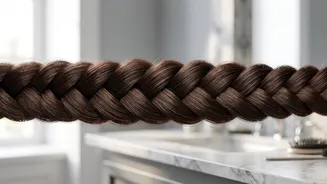
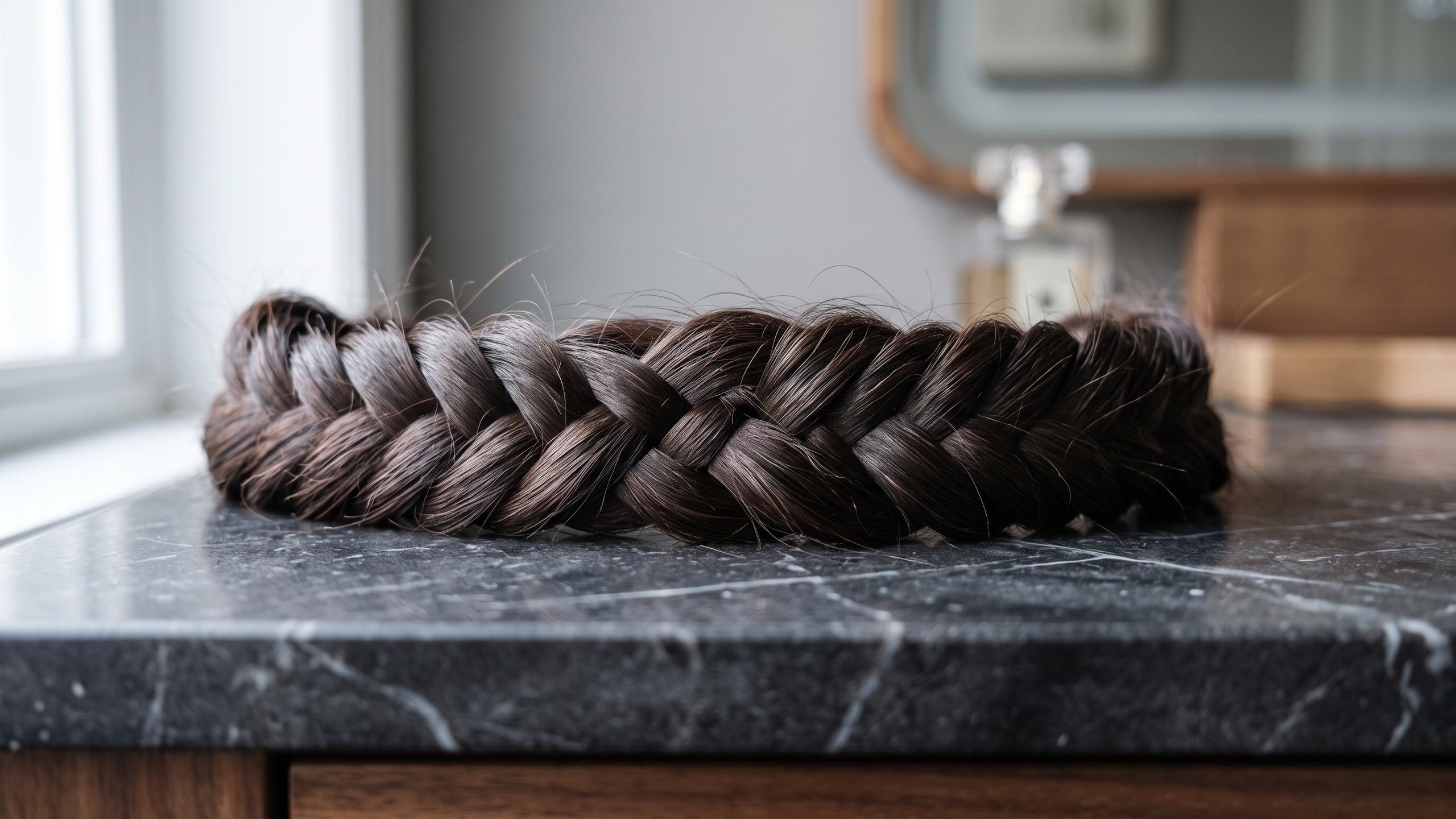
To achieve the clean, tightly woven look mentioned in the headline, tension is your best friend. As you braid, gently pull on the two main sections to tighten the plait and keep the pattern neat. The smaller the strands you cross over, the more intricate and detailed your braid will appear. If you have layered hair, some pieces may start to poke out. Use bobby pins to discreetly tuck these flyaways back into the braid for a polished result. Once you've braided to the bottom, secure it with a clear elastic. For a final touch, a light mist of hairspray will help hold everything in place all day without making your hair feel stiff.
Common Mistakes and Easy Fixes
If your first few attempts don't look perfect, don't worry. A common mistake for beginners is taking sections that are too large, which makes the braid look more like a twist than a fishtail. Stick to smaller, finer strands for that signature herringbone look. Another issue is losing tension, which can make the braid fall apart. Try to keep a firm, consistent grip as you work. If you find it difficult to manage the strands, remember the beginner's trick of starting with a ponytail secured by an elastic. You can carefully cut this top elastic away once the braid is finished.
Elegant Variations to Try Next
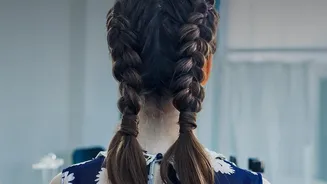
Once you've mastered the classic fishtail, you can explore many beautiful variations. The side fishtail, where all the hair is swept over one shoulder, is a romantic and popular choice. For a more formal look, try a French fishtail, which starts at the crown of the head and incorporates more hair as you braid downwards, similar to a French braid. A half-up fishtail is another charming option, where only the top section of hair is braided, leaving the rest to flow freely. You can even create double fishtail braids or an elegant fishtail crown for a more intricate style.