


More Than Just a Meal
In recent years, a quiet but powerful revolution has been simmering in India’s kitchens and festival grounds. The focus is shifting from generic, pan-Indian menus to a deeper, more nuanced celebration of regional and hyperlocal cuisines. This isn’t just
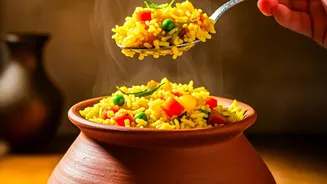
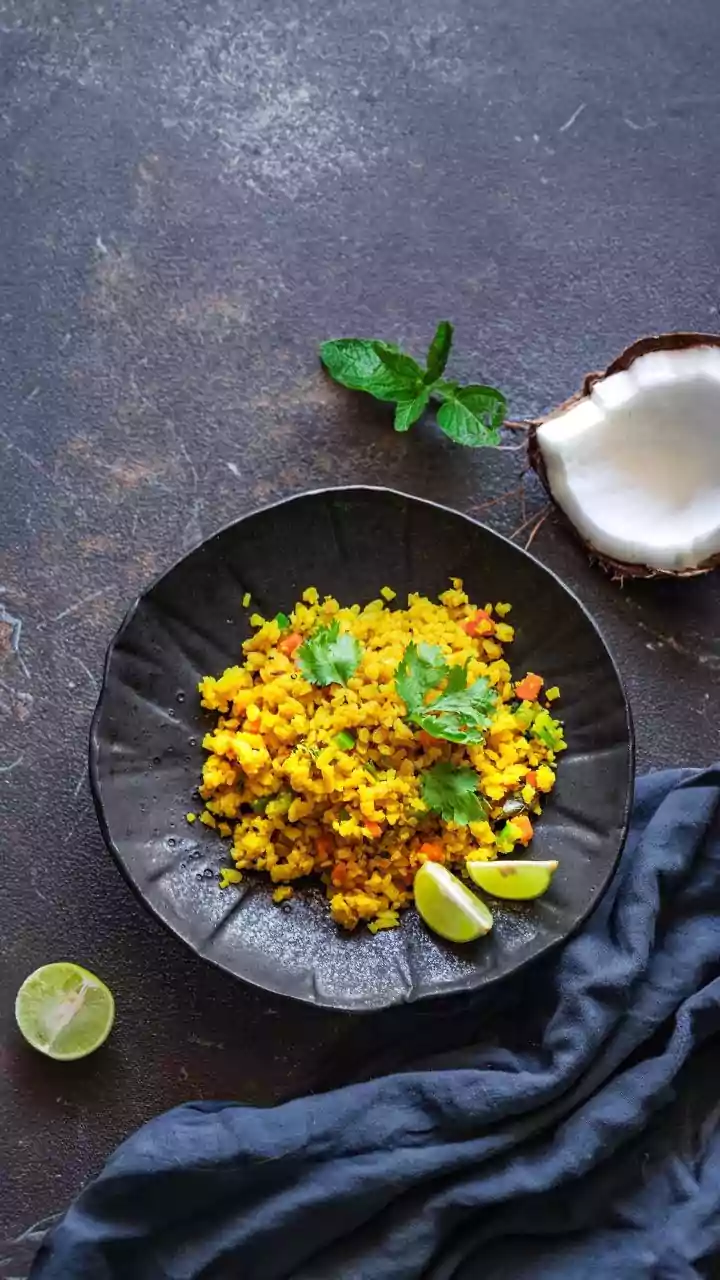
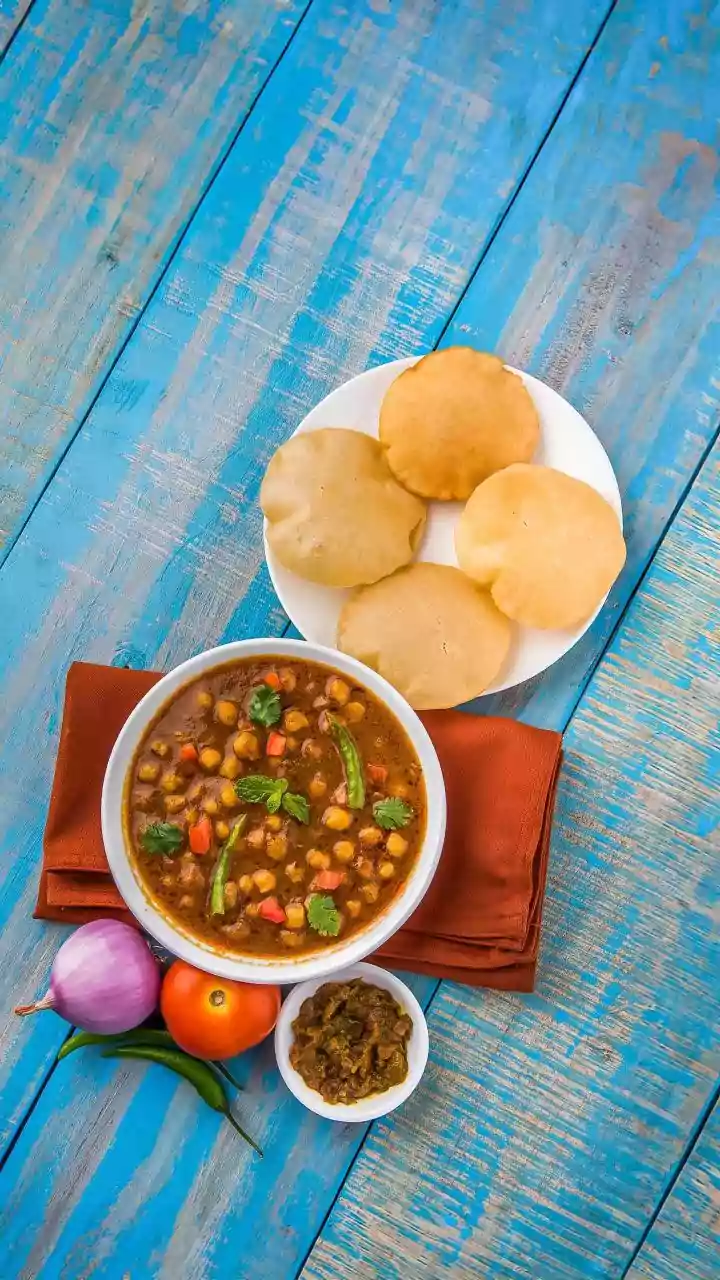
about food; it's a movement to reclaim and preserve cultural identity, one recipe at a time. Food festivals are evolving from simple commercial gatherings into vibrant platforms for cultural storytelling. Organisers are curating events that showcase the sheer diversity of the country's culinary landscape, from the mountains of Himachal Pradesh to the coasts of Kerala. This trend acknowledges that India doesn’t have one cuisine, but hundreds, each with its own history and flavour profile.
From Home Kitchens to Festival Stalls
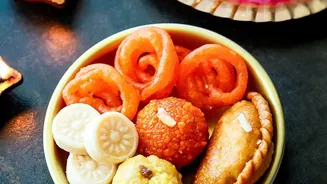
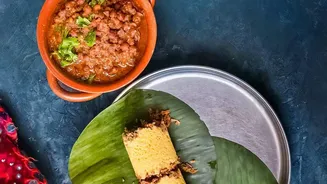
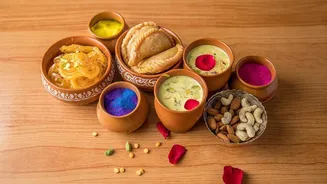
For generations, the most authentic recipes were never written down; they were passed on through observation in family kitchens. Now, this invaluable culinary knowledge is moving out of the home and into the public sphere. Festivals are increasingly providing a platform for home cooks—the unsung guardians of these traditions—to share their craft. This shift honours the people who have kept these flavours alive. Gitika Saikia, for instance, has been popularising Assamese tribal dishes from her Mumbai home, using ingredients sourced directly from her home state. Similarly, a quiet revival of traditional Diwali snacks is being led by home chefs determined to prevent homemade festive foods from being replaced by store-bought sweets. This trend gives these home-based entrepreneurs a chance to be recognised for their crucial contribution to preserving cultural heritage.
Curators of Culinary Heritage
At the forefront of this movement are passionate chefs, food historians, and festival curators who are actively documenting and reviving lost traditions. Chefs like Prateek Sadhu, formerly of Masque, and Harish Rao of Hosa are exploring specific regional cuisines, from Himalayan-forward dishes to the lesser-known traditions of South India. They are challenging the misconception that Indian food is limited to a few popular dishes by highlighting unique ingredients and techniques. Festivals like 'Lost Recipes of Undivided India,' hosted by The Fern Hotels & Resorts, have made it their mission to reconstruct dishes from the pre-partition era, based on meticulous research and oral histories. Through their work, these culinary leaders are not just cooking; they are acting as archivists, ensuring that India’s rich food history is not forgotten.
A Resurgence of Regional Pride
So, why is this happening now? Many see it as a response to the homogenisation of food culture in an increasingly globalised world. There is a growing curiosity among diners to explore beyond mainstream restaurant fare and connect with their roots. This rediscovery is a form of cultural pride, a way of celebrating the unique identities of India's diverse communities. As Thomas Zacharias, founder of The Locavore platform, puts it, this isn't merely a trend but a movement. It’s about understanding that a Koli fisherfolk's mandeli masala has a story just as important as a royal Mughlai pulao. By championing local ingredients and traditions, these festivals and chefs are fostering a deeper appreciation for the land and the communities that sustain these foodways.