


The Familiar Tale of Overcrowding
For decades, the names Shimla, Manali, and Mussoorie have been synonymous with summer relief. Yet, today they are becoming symbols of over-tourism. Recent years have seen these Himalayan retreats groaning under the pressure of their own popularity. Endless
traffic jams on narrow mountain roads, severe water shortages during peak season, and mountains of plastic waste are now part of the holiday experience. What were once tranquil towns built for a fraction of their current population are now bursting at the seams, with unplanned construction scarring the fragile hillsides. The very peace and pristine nature that travellers seek are being eroded by the sheer volume of visitors, leading many to question if the journey is even worth it anymore.
A New Generation of Travellers
This fatigue with overcrowded destinations coincides with a significant shift in what people want from a holiday. The modern Indian traveller is increasingly moving away from checklist tourism—ticking off popular sights—towards more immersive and meaningful experiences. There is a growing desire for slow travel, sustainability, and authentic connection with nature and local culture. Instead of just a pretty backdrop for photos, people are seeking out places that offer peace, adventure, and a lighter environmental footprint. This conscious traveller is less interested in crowded market streets and more drawn to the idea of staying in an eco-lodge, learning about local biodiversity, or simply enjoying the quiet of an unspoiled landscape.
Enter the Western Ghats: A World Apart
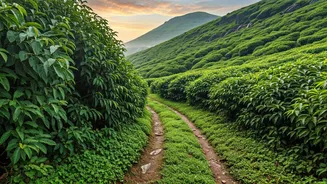
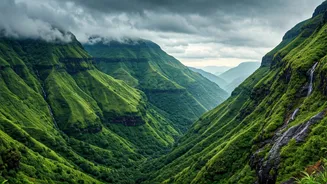
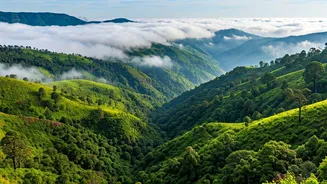
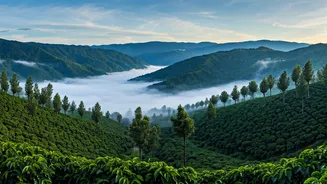
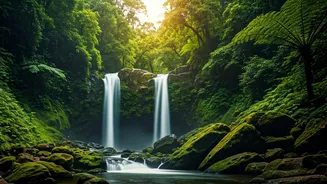
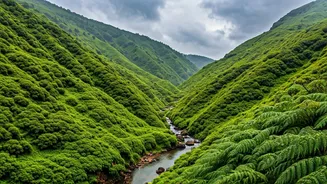
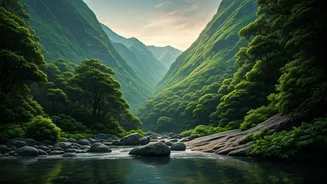
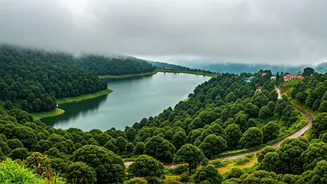
Enter the Western Ghats, a UNESCO World Heritage Site and one of the world's most vital biodiversity hotspots. Stretching over 1,600 kilometres along India's west coast, this mountain range offers a stark contrast to the strained infrastructure of its northern counterparts. Older than the Himalayas, the Ghats are a realm of lush evergreen forests, rolling grasslands, shola forests, and countless waterfalls that come alive during the monsoons. The air here is thick with the scent of spices and damp earth, not vehicle emissions. The region, spanning states like Kerala, Karnataka, Goa, Maharashtra, and Tamil Nadu, offers a sense of discovery that has become rare in more commercialised destinations.
An Abundance of Authentic Experiences
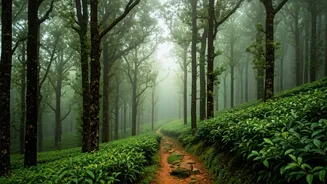
The appeal of the Western Ghats lies in its diversity of experiences. You can find yourself staying in a treehouse resort in Lonavala, trekking through the misty hills of Munnar's tea plantations, or exploring the rich coffee estates of Coorg. Destinations like Wayanad in Kerala, Kudremukh in Karnataka, and Valparai in Tamil Nadu offer everything from wildlife spotting to serene nature walks. The region is a paradise for adventurers, with trails for hiking and mountain biking, and for those seeking tranquility, with hidden waterfalls and quiet homestays. Unlike the often-homogenised tourist offerings elsewhere, the Ghats provide a deep dive into local culture, from the unique flavours of regional cuisine to the warm hospitality of eco-conscious resorts that prioritise community and conservation.
The Conscious and Sustainable Choice
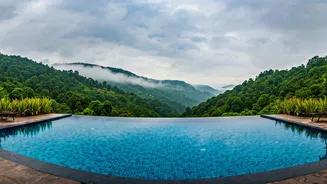
Choosing the Western Ghats is increasingly seen as a more responsible travel decision. The region is at the forefront of the eco-tourism movement in India, with many resorts and homestays built on principles of sustainability. These establishments often use renewable energy, practice water harvesting, manage waste responsibly, and employ local staff, ensuring that tourism benefits the community directly. By visiting these places, travellers are not just getting a peaceful vacation; they are actively supporting the conservation of a fragile and precious ecosystem. This shift represents a move from extractive tourism to a more regenerative model, where both the visitor and the destination are enriched by the experience.