




An Almost Pavlovian Response
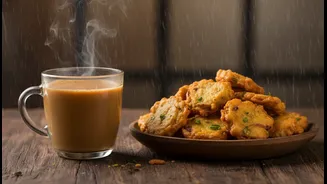
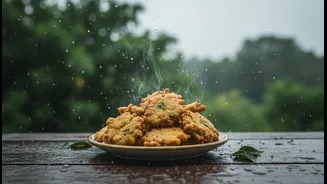
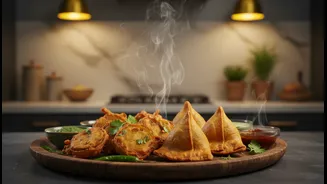
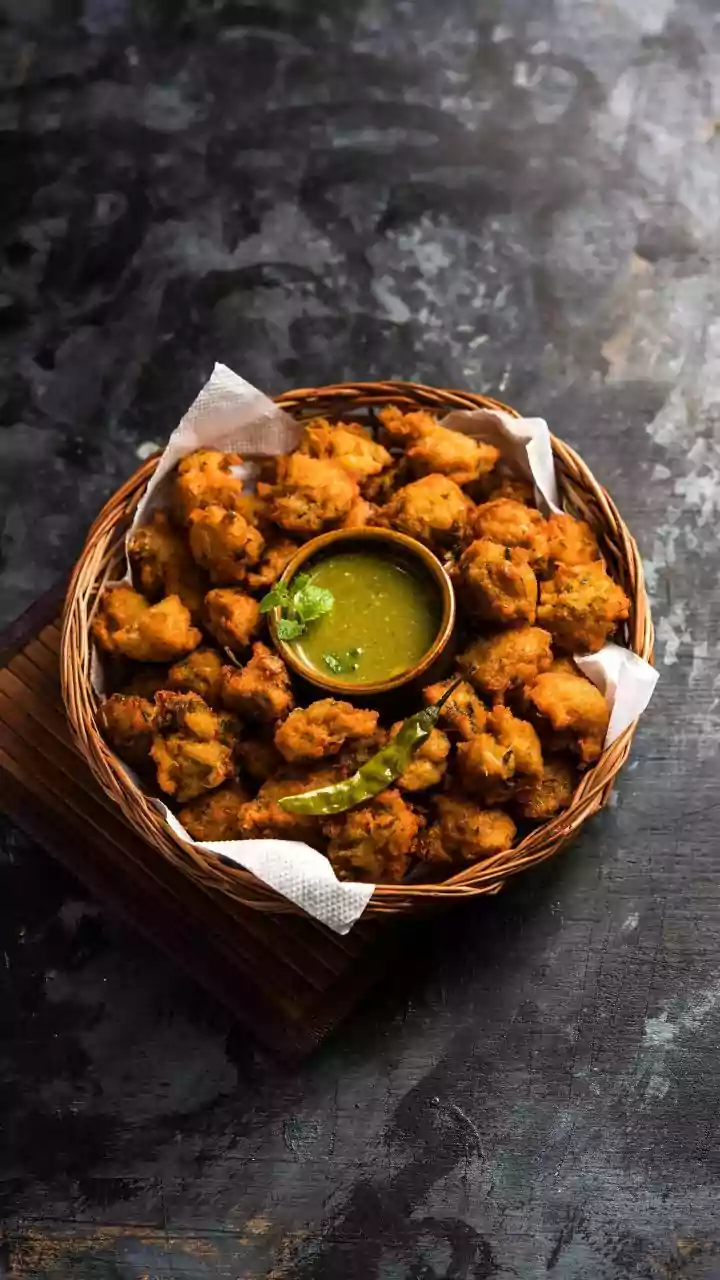
For countless Indians, the sound of rain is intrinsically linked to the desire for something hot, crispy, and savoury. The immediate thought is often of pakoras—spiced fritters made from vegetables dipped in gram flour batter and deep-fried to golden
perfection. This isn’t just a casual craving; it’s a powerful, almost Pavlovian response honed over generations. The ritual is so widespread that the sizzle of batter hitting hot oil has become a quintessential soundtrack to a rainy day, an impromptu celebration that brings families together to watch the downpour.
The Perfect Pair: Chai and Pakora
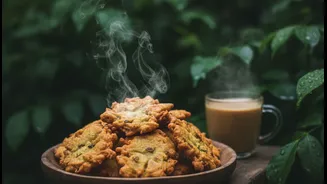
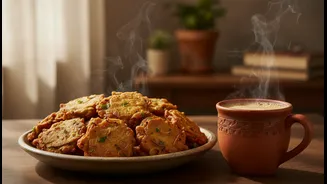
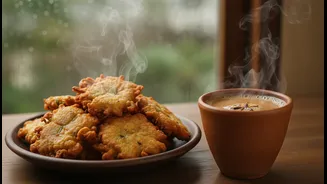
This food ritual is rarely a solo act. The crispy, sometimes greasy, pakoras are almost always accompanied by a steaming cup of masala chai. This combination is considered a match made in heaven. The hot, spiced, milky tea cuts through the richness of the fried snack, creating a perfect balance of flavours and temperatures. The warmth of the chai, often infused with ginger and cardamom, provides a comforting contrast to the cool, damp weather, making the entire experience more than just a meal—it's a moment of pure seasonal bliss.
Why Fried Food?
There are several theories behind this specific craving. From a scientific perspective, the cooler, damp weather can cause a slight dip in mood for some, as reduced sunlight affects serotonin levels. Comfort foods, especially carbohydrate-rich and fried snacks, can provide a brief boost to these 'happy hormones'. The crunchy texture also offers a satisfying contrast to the damp, soggy environment outside. Ayurveda, the ancient Indian science of life, offers another perspective. It suggests that the monsoon season weakens the digestive fire ('Agni') and aggravates the 'Vata' dosha, which is associated with cold and dryness. Warm, freshly cooked, and even oily foods are believed to help balance this, providing warmth and satiety.
A Tradition with Many Names
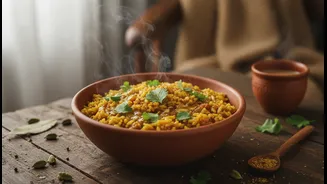
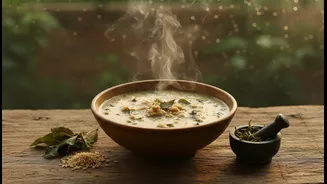
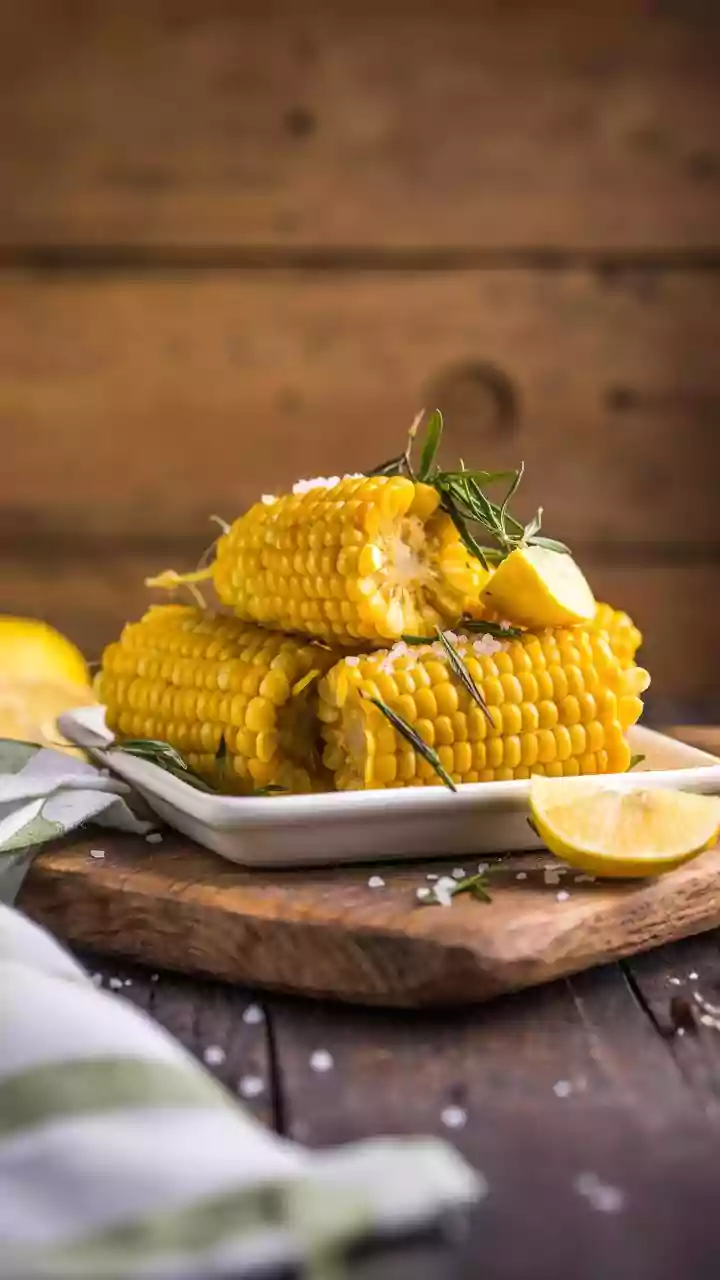
While the combination of chai and pakoras is the most iconic, this monsoon ritual takes on different forms across India's diverse culinary landscape. In Maharashtra, the craving is often for Kanda Bhaji (onion fritters) or the famous Vada Pav. In Gujarat, it might be Methi na Gota (fenugreek fritters), while in the South, a rainy day might call for Maddur Vada from Karnataka or even Medu Vada with hot filter coffee. Kolkata has its beloved Telebhaja (assorted deep-fried snacks) and Khichuri. Another pan-India favorite is Bhutta, or roasted corn on the cob, grilled over coals by roadside vendors and seasoned with lemon, salt, and chilli. Each region adapts the ritual to its local ingredients and tastes, but the underlying theme of finding warm comfort from the rain remains constant.