






More Than Just a Bargain
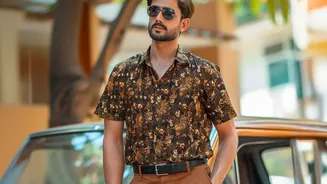
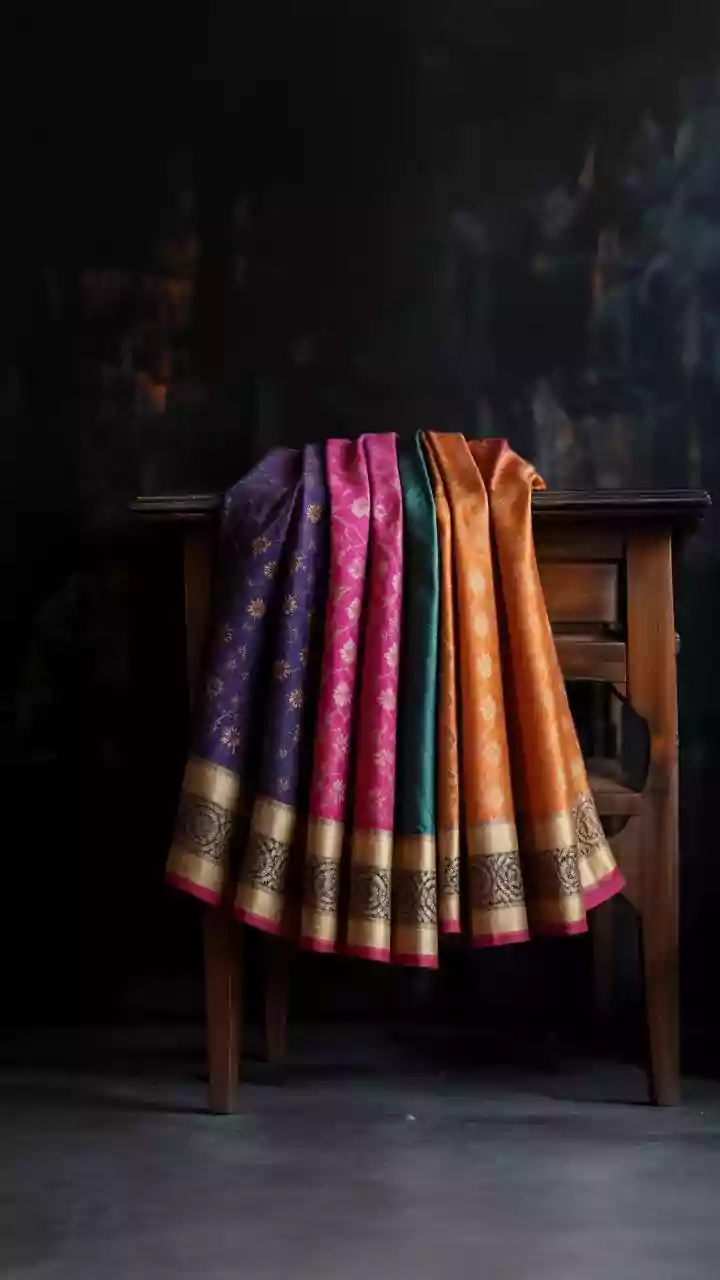
For many young Indians, the appeal of thrifting goes far beyond affordability. It's a quest for individuality. In a sea of identical fast-fashion items, thrift stores, both online and offline, offer a treasure trove of unique, often one-of-a-kind pieces.
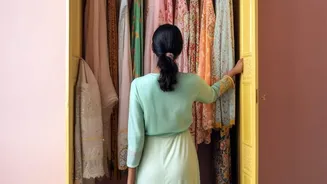
This allows shoppers to curate a personal style that stands out, blending vintage finds with contemporary trends. Gen Z, in particular, values this sense of authenticity and self-expression. The 'treasure hunt' experience of sifting through racks or scrolling through curated online collections to find a rare piece adds to the excitement, making shopping a discovery rather than just a transaction.
The Instagram-Powered Movement
The rise of thrifting in India is inextricably linked to social media, especially Instagram. The platform has become the primary marketplace, with thousands of small, independent thrift stores operating directly from their accounts. These digital storefronts are often run by young entrepreneurs who meticulously curate, style, and photograph their collections, creating a boutique-like experience. They build communities around their brands, using features like 'drops'—releasing a new collection at a specific time—to create a sense of urgency and excitement. This digital-first approach has made thrifting accessible to people across the country, moving it from niche city markets to a nationwide phenomenon.
A Conscious Stand Against Waste
Beyond style, a powerful motivator for this shift is a growing environmental consciousness. The fashion industry is one of the world's largest polluters, responsible for significant water pollution and carbon emissions. India alone generates millions of tonnes of textile waste annually. By choosing second-hand, young consumers actively participate in a circular economy, extending the life of garments and preventing them from ending up in landfills. Every thrifted purchase is seen as a small act of rebellion against the 'wear once and throw away' culture of fast fashion. This alignment with sustainable values has transformed thrifting from a simple shopping choice into a meaningful lifestyle statement.
Challenging Old Stigmas
Historically, second-hand clothing in India carried a stigma, often associated with hardship rather than choice. However, the current thrift culture is successfully dismantling these old perceptions. Influencers and celebrities openly embracing pre-loved fashion have helped normalise and glamorise it. Furthermore, modern online thrift stores place a heavy emphasis on quality control and hygiene, carefully inspecting and cleaning items before sale, which helps build trust with customers. As thrifting becomes synonymous with being trendy, eco-conscious, and stylishly unique, the outdated taboos are quickly fading, especially among the urban youth who are driving the trend.